Forge Meaning: What a Forge Is and What Forging Means
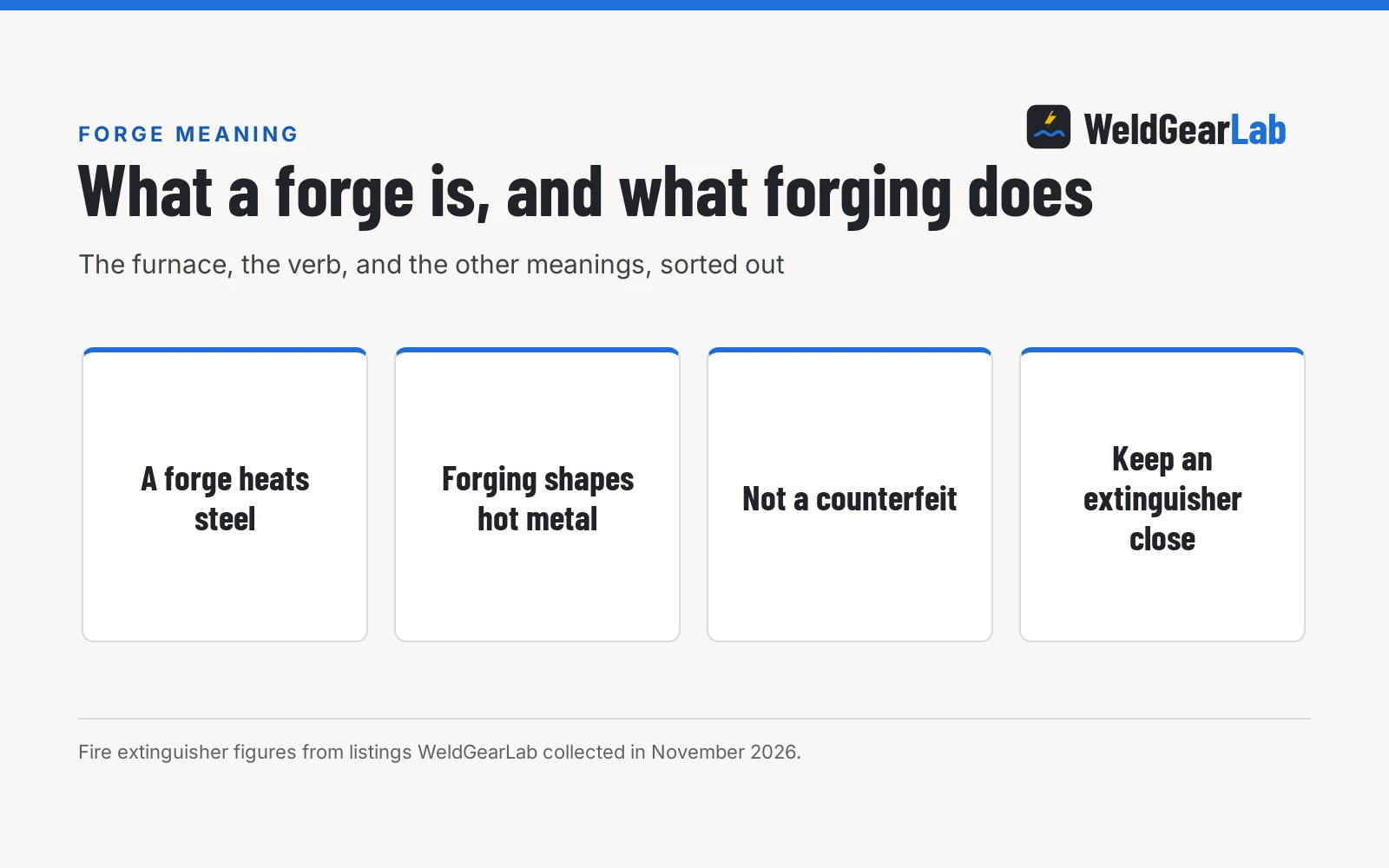
A forge is the furnace where steel is heated for shaping, and forging is the shaping of that hot metal with hammer and anvil.

On this page
Forge meaning starts with a simple picture: a smith stands at a hot hearth, pulls a glowing bar from the fire, and shapes it with hammer and anvil. A forge is the furnace that heats steel until it is soft enough to shape, and to forge is to shape that hot steel with hammer and anvil. The word also turns up away from the shop, where it can mean to fake a signature or to push ahead with steady effort, but on a metalworking site the furnace and the hammering are the meanings that matter. This guide sorts out each meaning, then covers what a forge does, the kinds you meet, and the safety gear that goes with one.
As an Amazon Associate I earn from qualifying purchases. This guide links to our product roundups, where WeldGearLab gets a commission on purchases made through links on this page, and your price stays the same. Read our affiliate disclosure.
Forge meaning in the shop
A forge is a hearth or furnace built to hold a hot fire and the steel laid in it. Air feeds the fire from a blower or a bellows, and the lining holds the heat around the work. The smith heats a bar until it glows and moves under the hammer, then works it on the anvil before it cools and stiffens again. That cycle, heat and hammer, is the whole craft in miniature.
Forging covers drawing a bar out longer and thinner, upsetting it shorter and thicker, bending it around a form, and punching holes through hot steel. Tongs hold the work, the hammer moves it, and the anvil backs every blow.
Side by side
| Forge, the furnace | Forge, the verb | Forge, the fake | |
|---|---|---|---|
| Meaning | A hearth that heats metal for shaping | To shape hot metal with hammer and anvil | To copy or fake a signature or document |
| In the shop | The heart of a blacksmith shop | Drawing out, bending and punching hot steel | Not a shop term |
| What it needs | Fuel, air and a safe spot outdoors or under strong ventilation | Hammer, anvil and tongs | Nothing from the shop |
| Watch out for | Fire risk and carbon monoxide | Hot scale and burns | Confusing it with the shop meanings |
The table above shows why the word trips people up: the furnace and the hammering share the same word, and the counterfeit sense shares it too. In a metalworking shop, only the furnace and the hammering apply.
Kinds of forge you meet
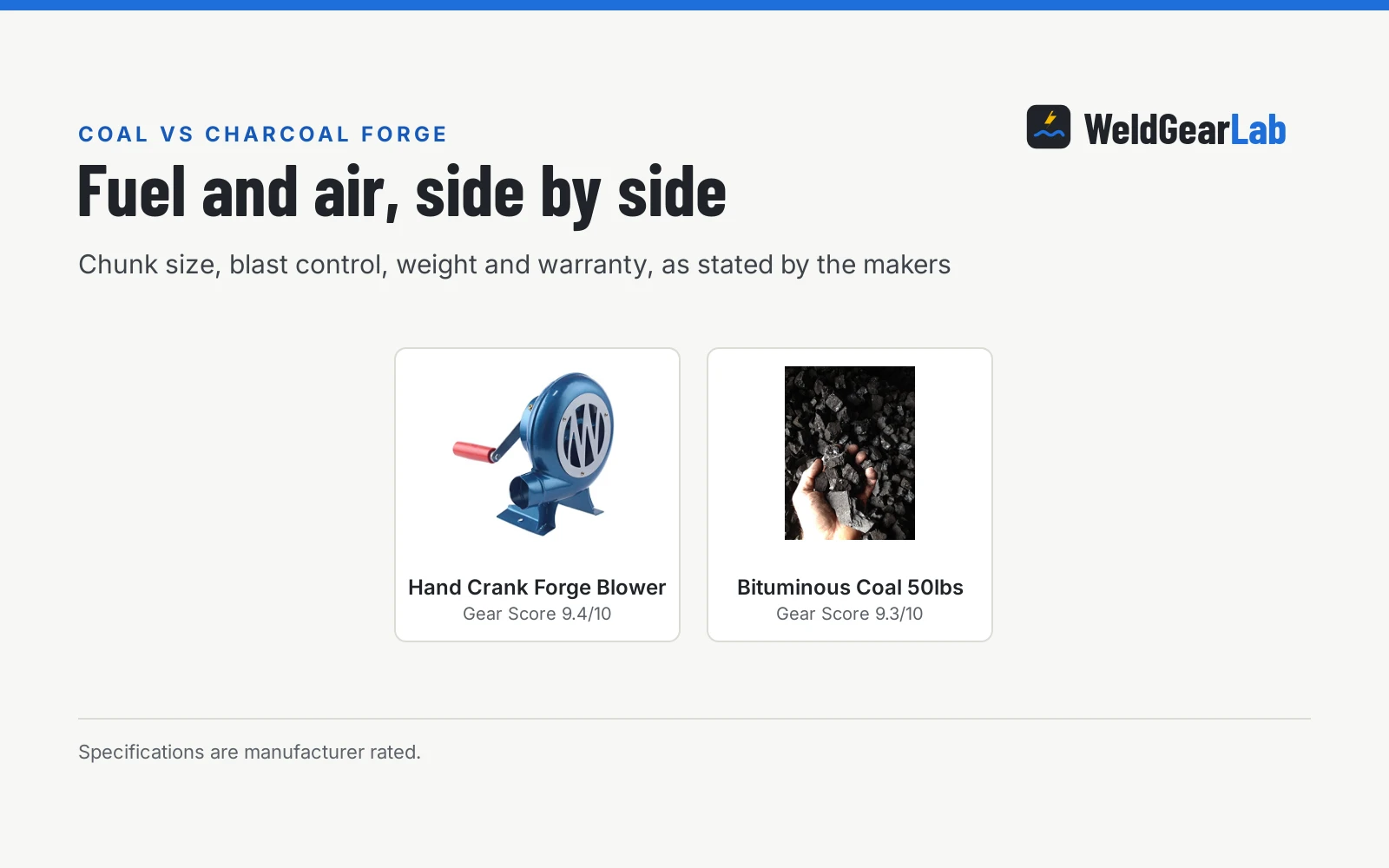
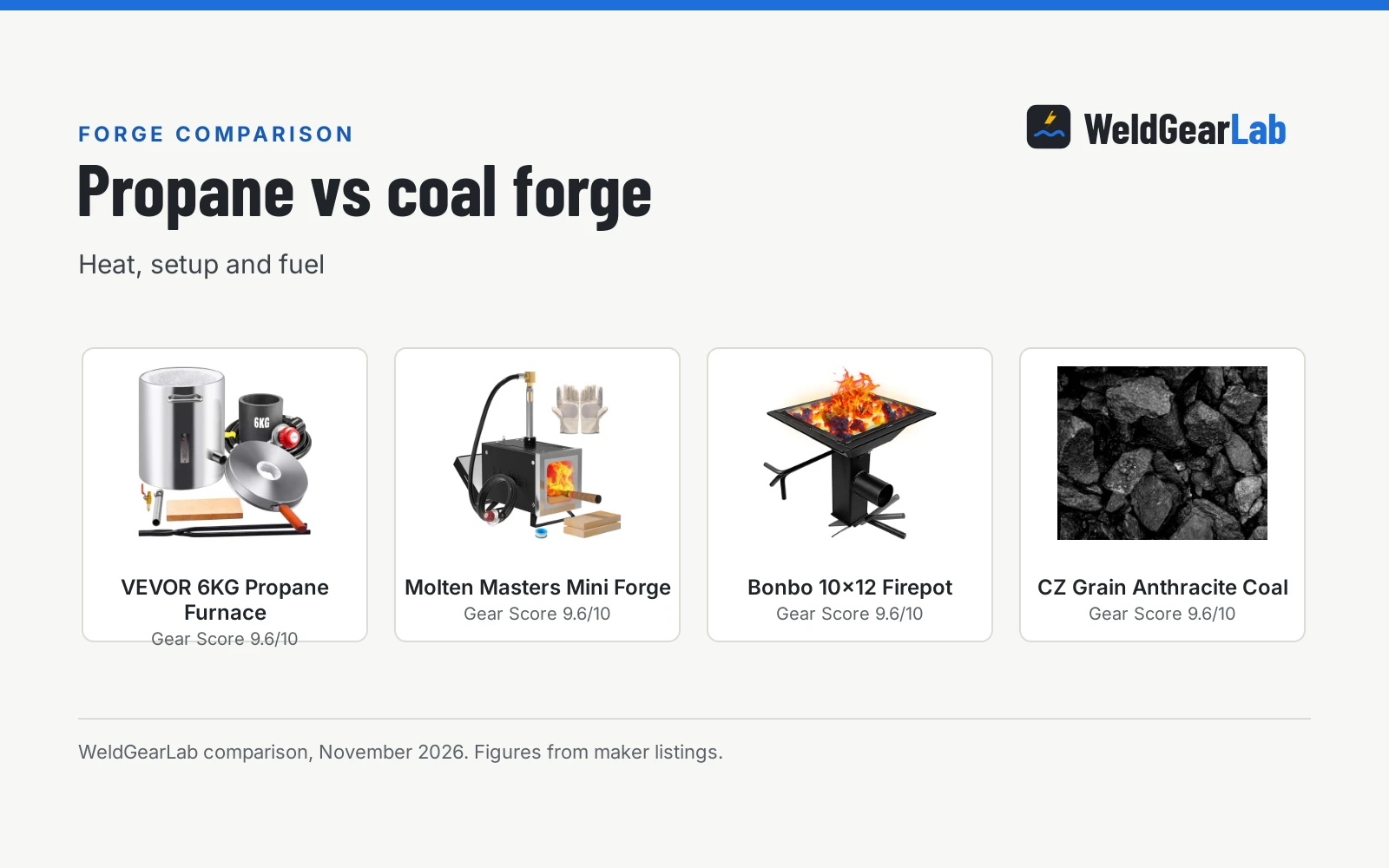
Home shops meet a small set of forge types. A propane forge burns gas through a burner and heats fast with little smoke, which suits a small yard or a garage with strong ventilation. A coal forge burns solid fuel in a hearth and suits a smith who wants a deep, adjustable fire. A charcoal forge burns lump charcoal and sits between them. An electric forge heats with elements and suits a shop that wants no open flame and no fuel storage.
See the electric vs propane forge guide and the propane vs coal forge guide for the fuel question, and the coal forge for beginners guide for what heat to expect.
Forging, the verb, in practice
Forging is shaping. The smith heats the steel, sets it on the anvil, and moves metal with planned blows. Drawing out stretches a bar longer. Upsetting shortens it and thickens the section. Bending turns it around a horn or an edge. Punching opens a hole while the steel is hot.
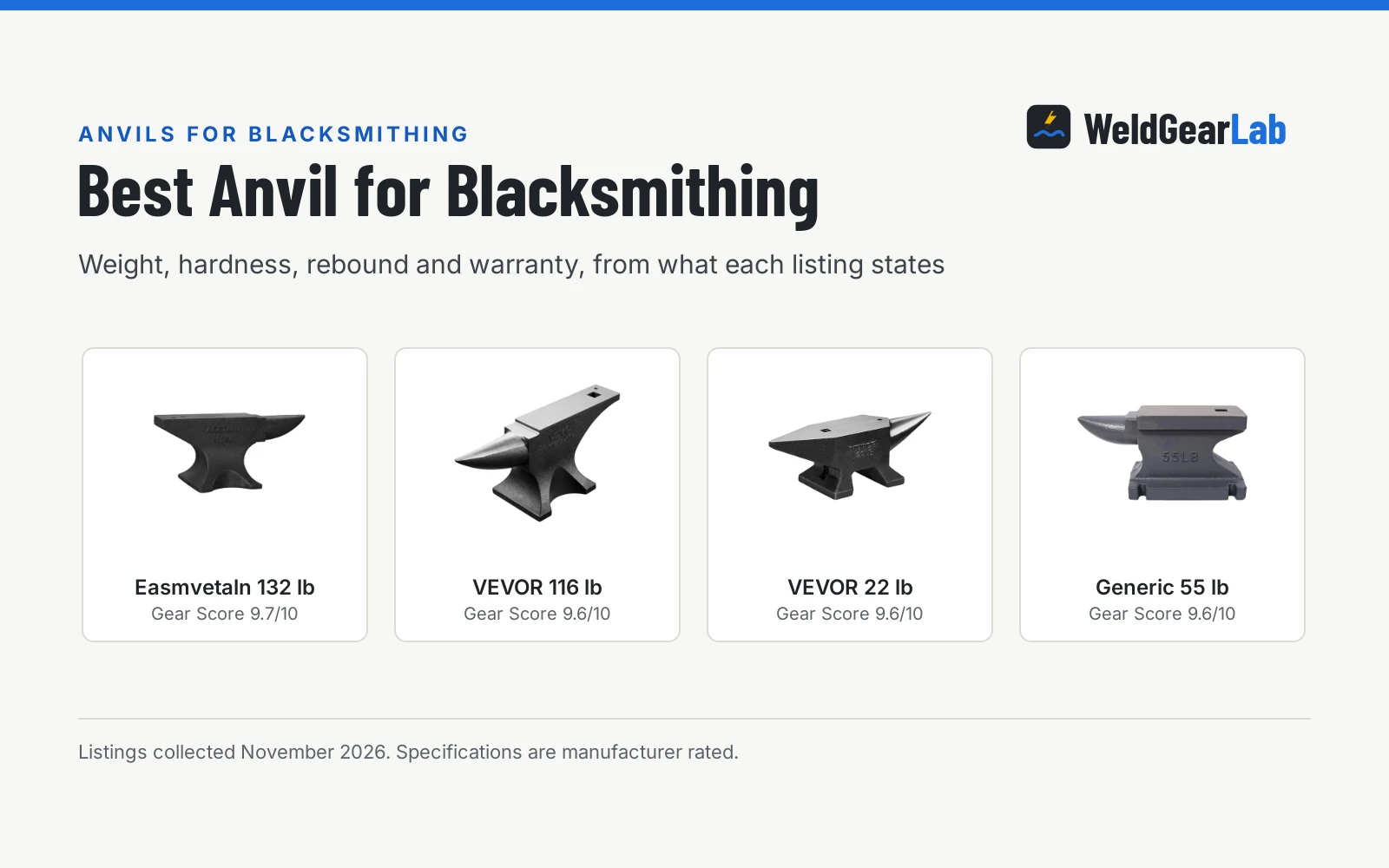
Tongs are the hands of the job: they grip the hot bar and hold it on the anvil while the hammer falls. See the best tongs for blacksmithing guide and the best anvil for blacksmithing guide. Burner kits and refractory cement keep a forge running: see the best forge burner kit for knife making guide and the best forge refractory cement guide.
Other meanings of forge
Away from the shop, forge usually means to fake something: a forged signature, a forged document, a forged banknote. That sense has nothing to do with hot steel. The idiom “forge ahead” means to push on with steady effort, as in forging ahead with a long build. When you read forge on this site, it means the furnace or the shaping, and nothing else.
Fire safety around a forge
A forge is an open fire in a shop full of steel, wood and fuel, so fire safety belongs in the plan before you light it. Run a forge outdoors or under strong ventilation, fit a carbon monoxide alarm, and never leave a lit forge unattended. Keep a fire extinguisher within reach of the forge, and know its rating before you need it.
Extinguisher sizes give a plain way to judge what you have on hand. Kidde lists a kitchen extinguisher with 2.5 lb of dry chemical agent, a discharge time of 8-10 seconds, a discharge range of 5 feet and an operating pressure of 100 PSI, with a 6-year limited warranty. The same brand lists a marine extinguisher with 2.5 lb of agent, a discharge time of 8-12 seconds, a discharge range of 6-8 feet, a 12-year limited warranty and US Coast Guard approval when mounted with the approved bracket. A larger 5 lb ABC extinguisher from Joyfast carries a 2A:10B:C rating, a discharge range of up to 15 feet, an operating range of -22°F to 140°F and a 6-year service life. Dry chemical extinguishers rated 1-A:10-B:C cover ordinary combustibles, flammable liquids and electrical fires.
For more options, see our welding safety gear guides.
FAQ for welders
What does forge mean in blacksmithing?
In blacksmithing, a forge is the furnace where steel is heated until it is soft enough to shape, and forging is the shaping of that hot steel with hammer and anvil. The word names both the fire and the work done at it.
Is a forge the same as a furnace?
A forge is a kind of furnace, but the word points at the job: heating steel for shaping. A furnace is the wider word, and it covers ovens and kilns that heat for other reasons.
What is the difference between forging and casting?
Forging shapes solid steel while it is hot, moving metal with hammer blows on an anvil. Casting pours liquid metal into a mold and lets it set in that shape. Each suits different jobs, and a shop may use both.
Do I need a fire extinguisher near a forge?
Yes. A forge is an open fire, so an extinguisher belongs within reach before you light it. A 5 lb ABC extinguisher rated 2A:10B:C covers ordinary combustibles, flammable liquids and electrical fires. Check the pressure gauge, keep the pin in place, and mount the unit where you can reach it without crossing the fire.
What is the difference between a propane forge and a coal forge?
A propane forge burns gas through a burner, lights fast and runs clean, which suits a small shop or a short session. A coal forge burns solid fuel in a hearth, holds a deep fire and suits long sessions and larger work.
Related: coal forge for beginners, gas forge vs coal forge, propane vs charcoal forge, fire extinguisher types and uses for welding shops, and fire extinguisher sizes chart. Also see the best tongs for blacksmithing guide.