Drilling and Tapping Chart: How to Read It and Pick the Right Drill
A drilling and tapping chart pairs each thread size with the drill that prepares its hole, so the tap cuts a clean thread instead of breaking or stripping.

On this page
Top picks at a glance
As an Amazon Associate I earn from qualifying purchases.
- 1
 Lubri-Cut Cutting Paste for Drilling Metal9.6/10View on Amazon
- 2
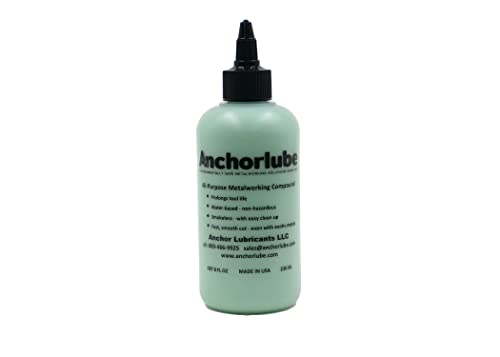 Anchorlube All-Purpose Metalworking Compound 8oz9.6/10View on Amazon
- 3
 JB Industries Cutting & Tapping Fluid9.6/10View on Amazon
A drilled hole that needs a thread is a small job with a big failure mode: the tap snaps, the thread strips, or the bolt will not start. A drilling and tapping chart is the shop reference that stops them. It pairs each thread size with the drill that prepares the hole for the tap, so the right drill gets picked before any metal is cut.
This guide links to our product roundups, where WeldGearLab gets a commission on purchases made through links on this page, and your price stays the same. Read our affiliate disclosure.
What a drilling and tapping chart shows
A chart is a table, not a rule book. Each row names a thread size, and the columns next to it name the drills that go with that thread. The tap drill column is the column that matters most: it names the drill that bores the hole the tap will thread. Other columns name the clearance drill, which bores a hole a bolt passes through without threading, and the tap itself. Some charts also list thread repair inserts, which need a larger drill and a special tap. Read the row that matches the fastener in hand, not the row that looks close.
Charts differ by thread standard, and a row from a different standard does not fit another. Use the chart that matches the fastener in hand: metric threads use a metric chart, and inch threads use an inch chart. When the fastener is unknown, measure its diameter and read its pitch with a thread pitch gauge before any drilling starts. The thread pitch gauge chart guide explains how to read pitch from a gauge, and the how to use a thread gauge guide walks through pitch, angle and fit.
Side by side
| Tap drill | Clearance drill | Thread repair kit | |
|---|---|---|---|
| What it is | The drill that bores the hole a tap threads | The drill that bores a hole a bolt passes through | A kit that restores a stripped thread with an insert |
| Read it from the chart | Match the thread size to the tap drill column | Match the bolt size to the clearance drill column | Match the insert size to the drill and tap the kit lists |
| If the size is wrong | A hole too small can break the tap, and a hole too large leaves a weak thread | A tight hole binds the bolt, and a loose hole lets the joint shift | The wrong insert size leaves the repair loose or will not fit |
| Before you start | Clamp the work, mark the hole, and check the chart row | Clamp the work, mark the hole, and size the bolt before drilling | Read the kit instructions, clean the hole, and check the fit |
The tap drill column earns the most attention because it decides whether the tap cuts or breaks. A clearance drill never threads anything, and a thread repair kit never replaces a sound hole: each column answers a different question, so read the column the job asks for.
How to read the chart
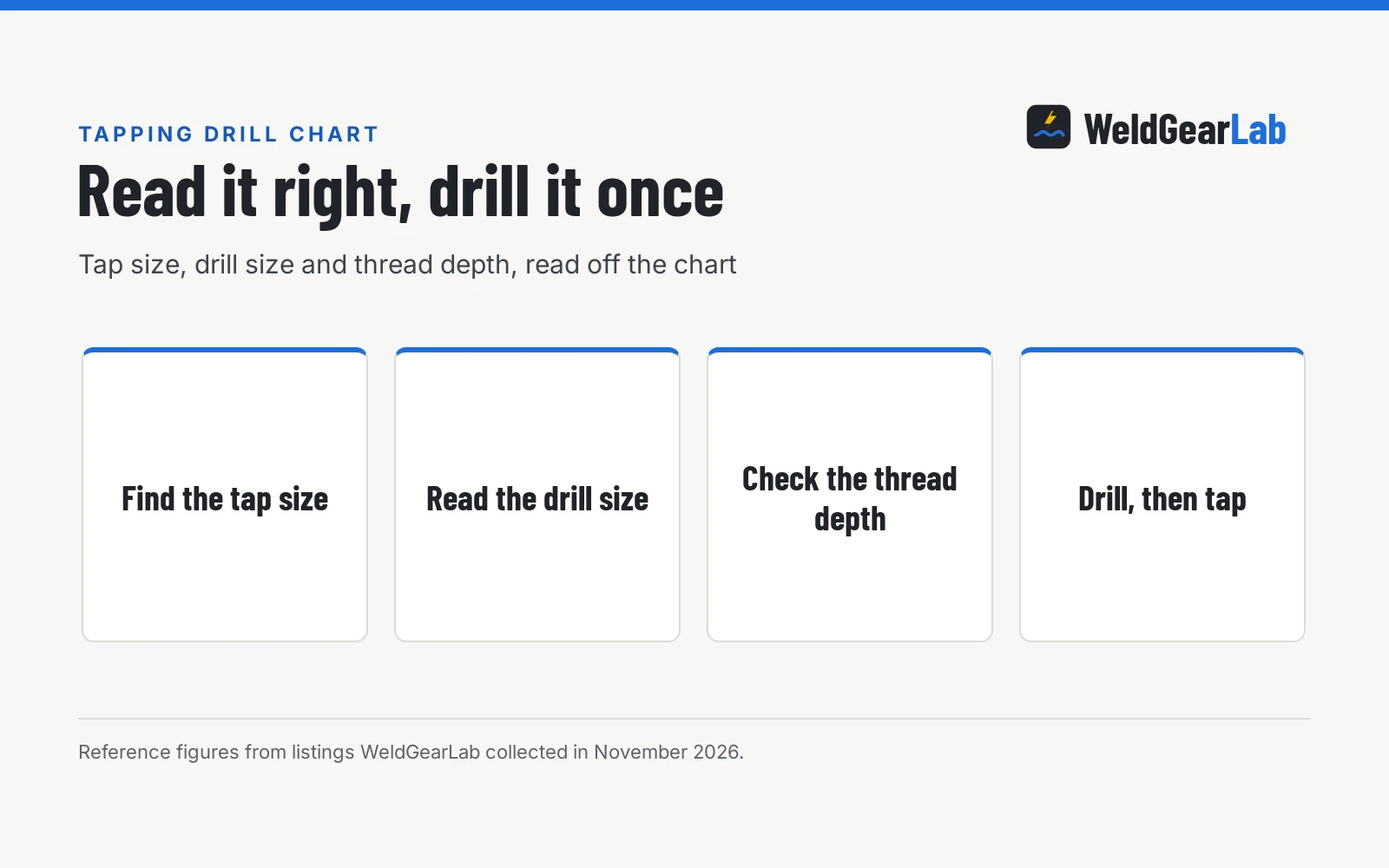
Start with the thread size on the fastener or the print, then find that row on the chart. Read across the row to the tap drill column and note the drill it names. Check whether the chart lists a coarse thread and a fine thread under the same size, and pick the row that matches the fastener. Then check the drill rack: the drill in hand should match the chart row. A larger drill leaves a weaker thread, and a smaller drill can break the tap, so when the chart names a drill that is not in the rack, get that drill instead of reaching for the closest one.
- Find the thread. Read the size from the fastener or the print, and read the pitch with a thread pitch gauge.
- Find the row. Match that thread size on the chart, watching for coarse and fine rows under the same size.
- Read the tap drill column. That drill bores the hole the tap will thread.
- Check the drill. The drill in hand should match the chart row; a larger drill leaves a weaker thread and a smaller drill can break the tap.
Tap drill or clearance drill
Tap drills and clearance drills answer different questions, and mixing them up is the most common chart mistake. A tap drill bores a hole that keeps enough metal for the tap to cut a full thread. A clearance drill bores a hole that lets a bolt slide through freely, with no thread at all. Drill a clearance hole where a thread belongs and the tap has nothing to cut; drill a tap hole where a bolt must pass and the bolt binds. Check the column heading before drilling, not after.
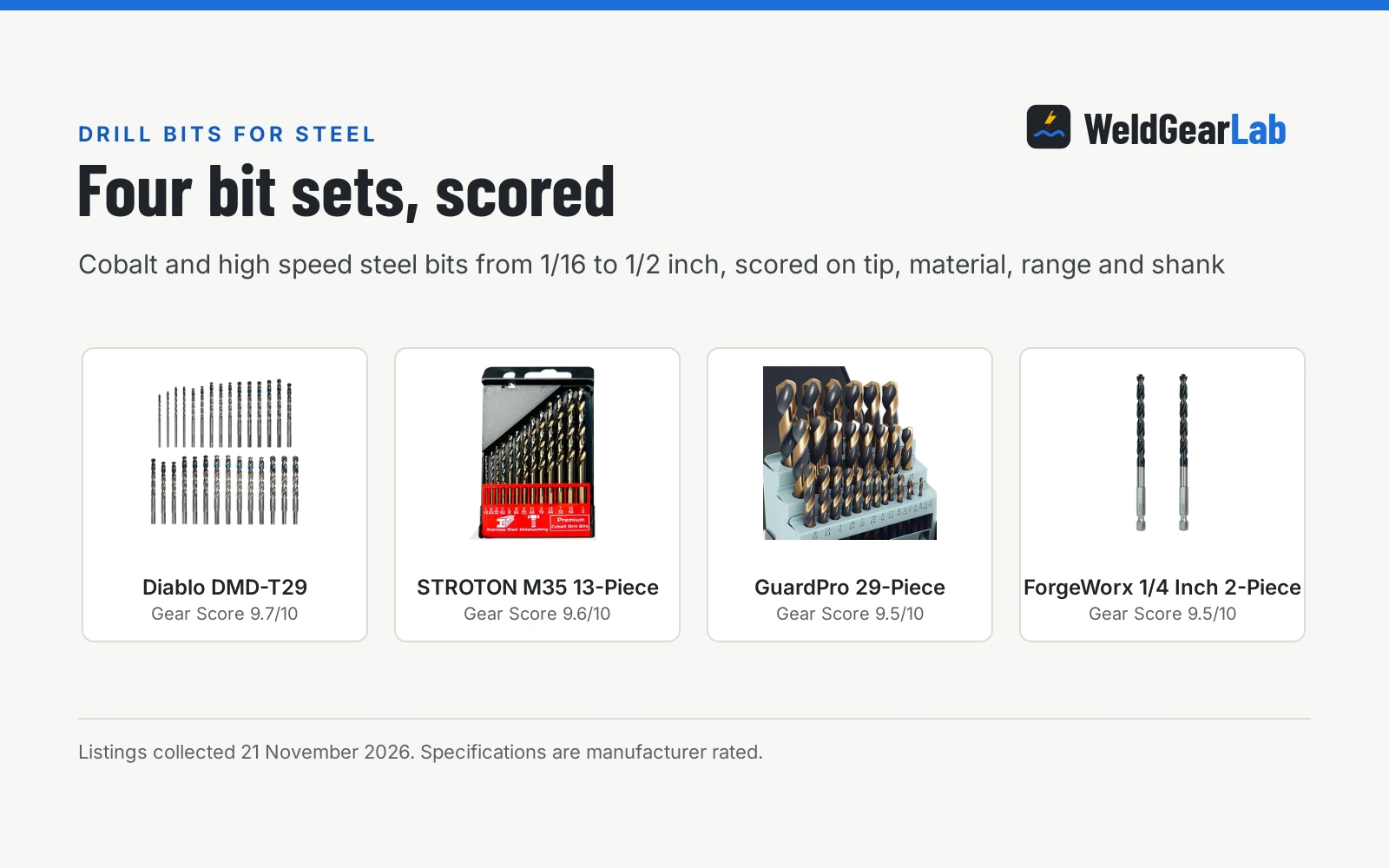
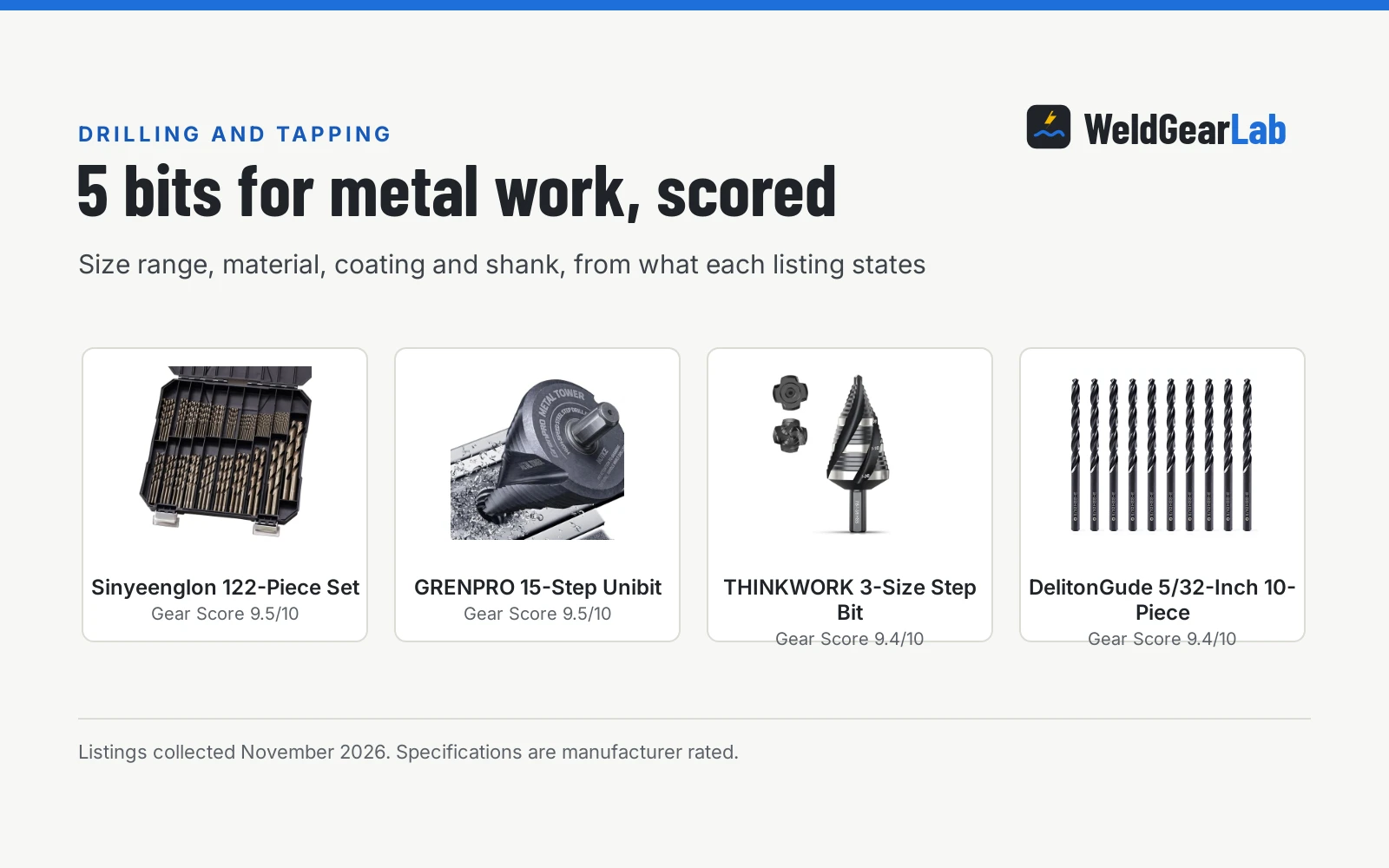
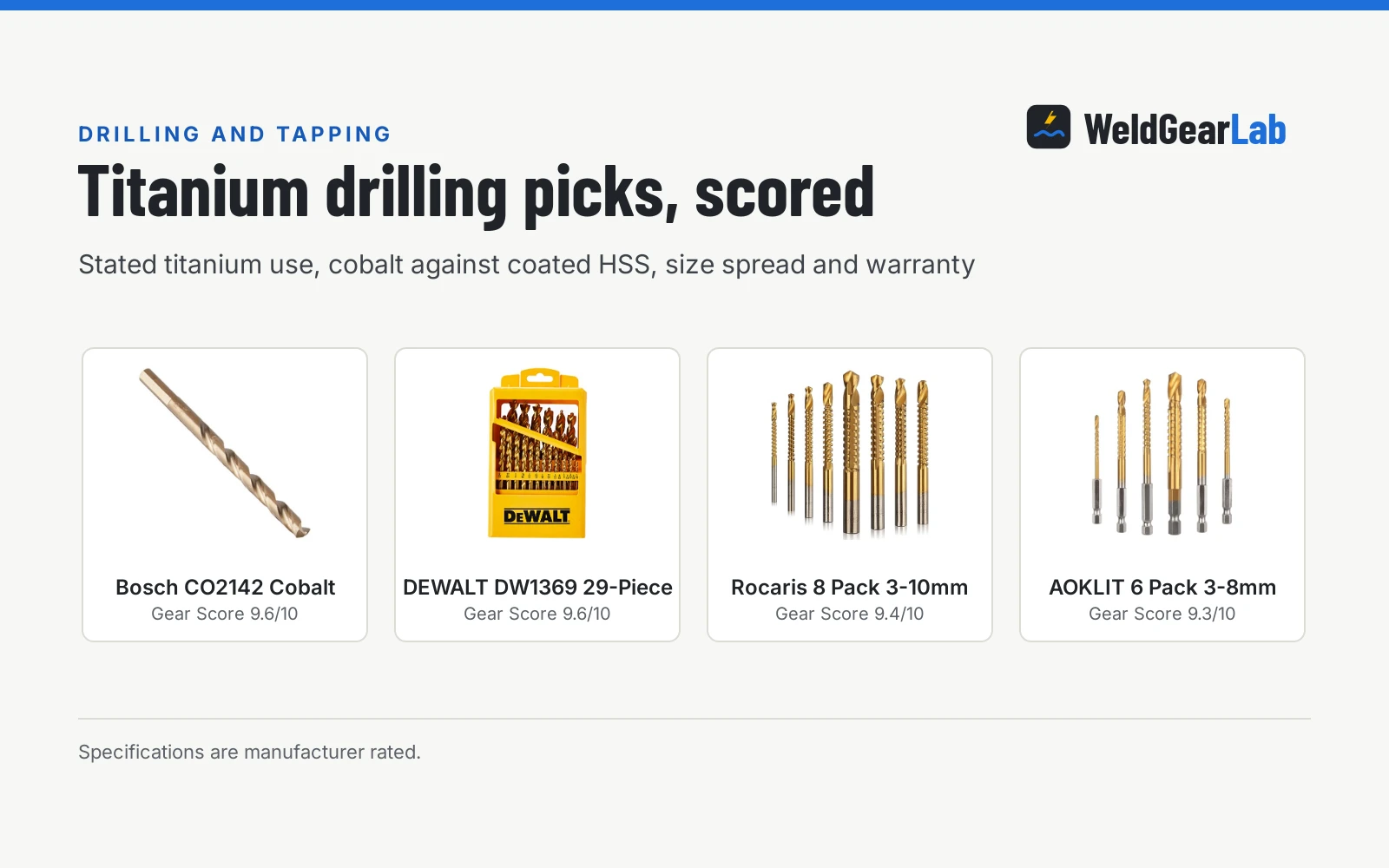
The best drill bit set for metal guide compares sets for steel and stainless, and the best cutting fluid for steel guide covers fluids for drilling, tapping and sawing.
Thread repair kits
A stripped thread does not always mean a scrapped part. A thread repair kit restores the hole with an insert: drill the stripped hole larger, tap it with the special tap from the kit, and wind in the insert, which carries the original thread size inside. The chart still matters here, because the kit tap needs its own drill size, and that size comes from the kit instructions or the chart row for the insert. Follow the kit instructions for the drill, the tap, and the insert seating, and never force an insert that will not wind in by hand.
Cutting fluid, chips and eye protection
Tapping cuts metal, and cutting metal dry wears the tap and leaves a rough thread. A drop of tapping fluid or cutting oil on the tap keeps the cut smooth, and backing the tap out often clears the chips before they jam. The best tapping fluid guide compares fluids for clean threads. Chips fly when drilling and tapping, so wear safety glasses rated ANSI Z87.1. Clamp the work before drilling, keep guards in place, and keep gloves away from rotating parts. The drill press safety guide covers safe drilling practice in full.
For more options, see our welding safety gear guides.
FAQ for welders
What is a tap drill?
A tap drill is the drill that bores the hole a tap will thread. The drilling and tapping chart names it for each thread size, so the hole leaves enough metal for the tap to cut a full thread. Drill with a larger bit and the thread comes out weak; drill with a smaller bit and the tap can break in the hole.
How is a tap drill different from a clearance drill?
A tap drill bores a hole that keeps metal for the tap to cut, while a clearance drill bores a hole that lets a bolt pass through with no thread at all. The chart lists both, in separate columns, for the same thread size. Read the column heading before drilling, because tap drills and clearance drills serve opposite jobs.
How do I read a tapping size chart?
Find the thread size on the fastener, then find that row on the chart and read across to the tap drill column. Watch for coarse and fine rows under the same size, and pick the row that matches the fastener in hand. When the fastener is unknown, measure its diameter and read its pitch with a thread pitch gauge before any drilling starts.
What is a thread repair kit for?
A thread repair kit restores a stripped thread with an insert that carries the original thread size inside. The hole gets drilled larger, tapped with the special tap from the kit, and fitted with the insert. The kit instructions name the drill and tap sizes, so follow the kit figures for the drill and the tap.
Do I need cutting fluid when tapping?
Cutting fluid keeps the tap cutting smoothly and leaves a cleaner thread, and it helps most on steel and stainless. Put a drop on the tap, back the tap out often to clear chips, and add more fluid when the cut starts to drag. Dry tapping wears the tap fast and leaves a rough thread.
What eye protection should I wear when drilling and tapping?
Wear safety glasses rated ANSI Z87.1, with a wraparound lens and side shields that block chips from the front and the sides. Chips fly when a drill breaks through and when a tap is backed out, so keep the glasses on until the work stops. Glasses that fit over prescription eyewear keep the same protection for wearers who need it.
Related: best drill bit set for metal, best tapping fluid, best cutting fluid for steel, thread pitch gauge chart, and the drilling and tapping hub.