Slip Roll vs Sheet Metal Brake: Which One Should You Buy?
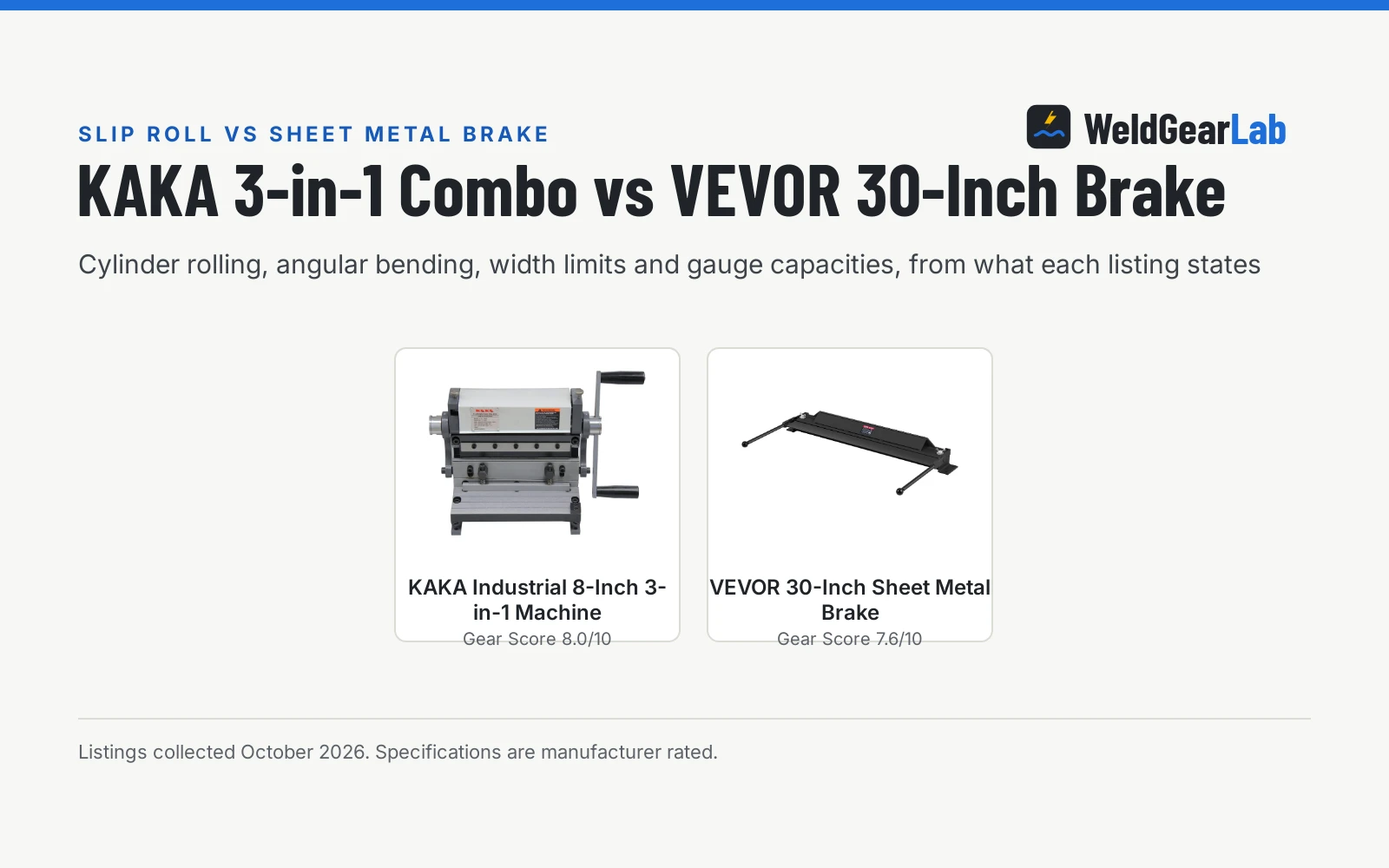
Here is how a slip roll and a sheet metal brake compare on forming curved cylinders versus sharp angular bends, working width, thickness capacity…


Here is how a slip roll and a sheet metal brake compare on forming curved cylinders versus sharp angular bends, working width, thickness capacity…
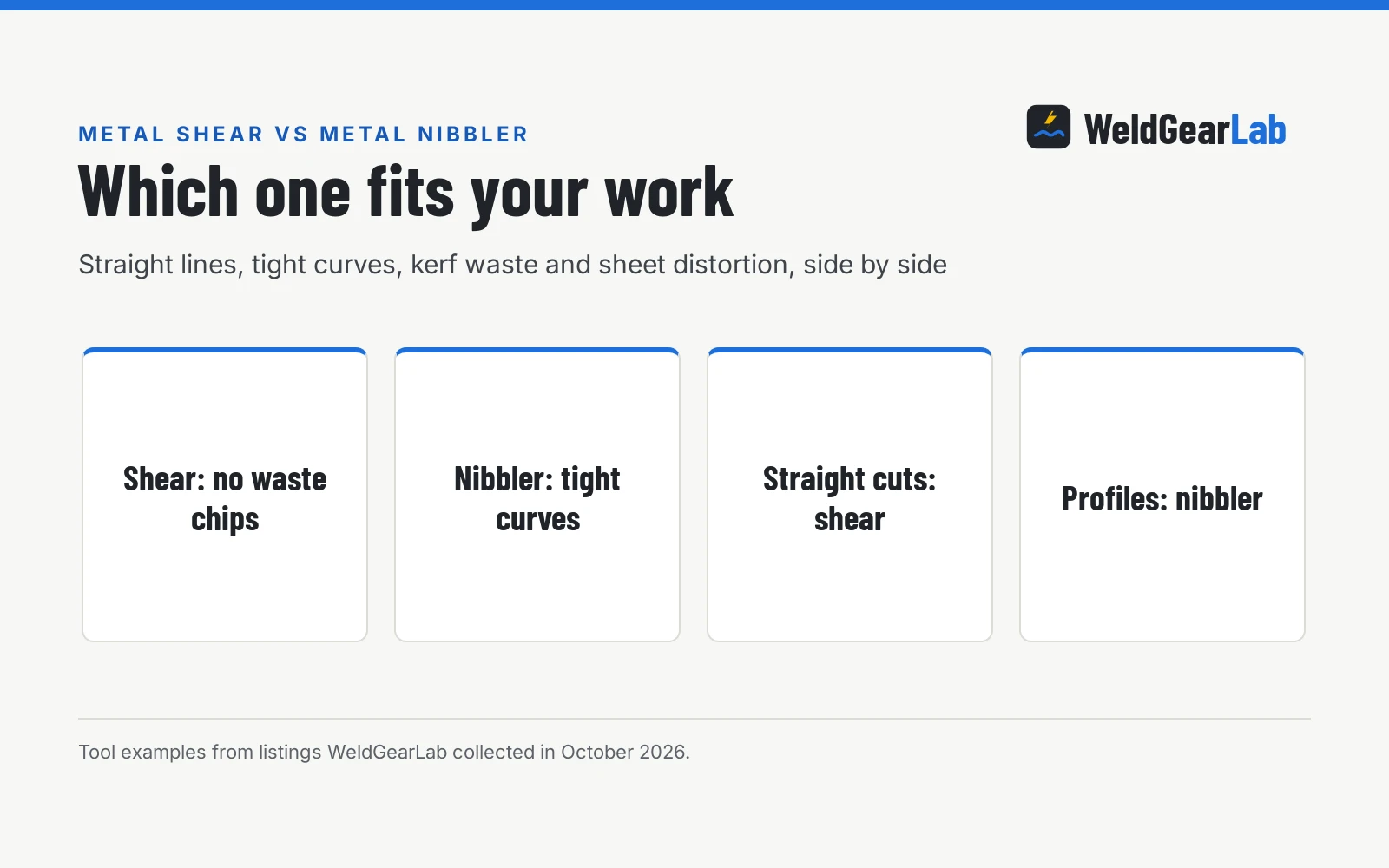
Metal shears cut straight lines quickly without material waste, while metal nibblers punch out tight curves and corrugated profiles without distorting the sheet.
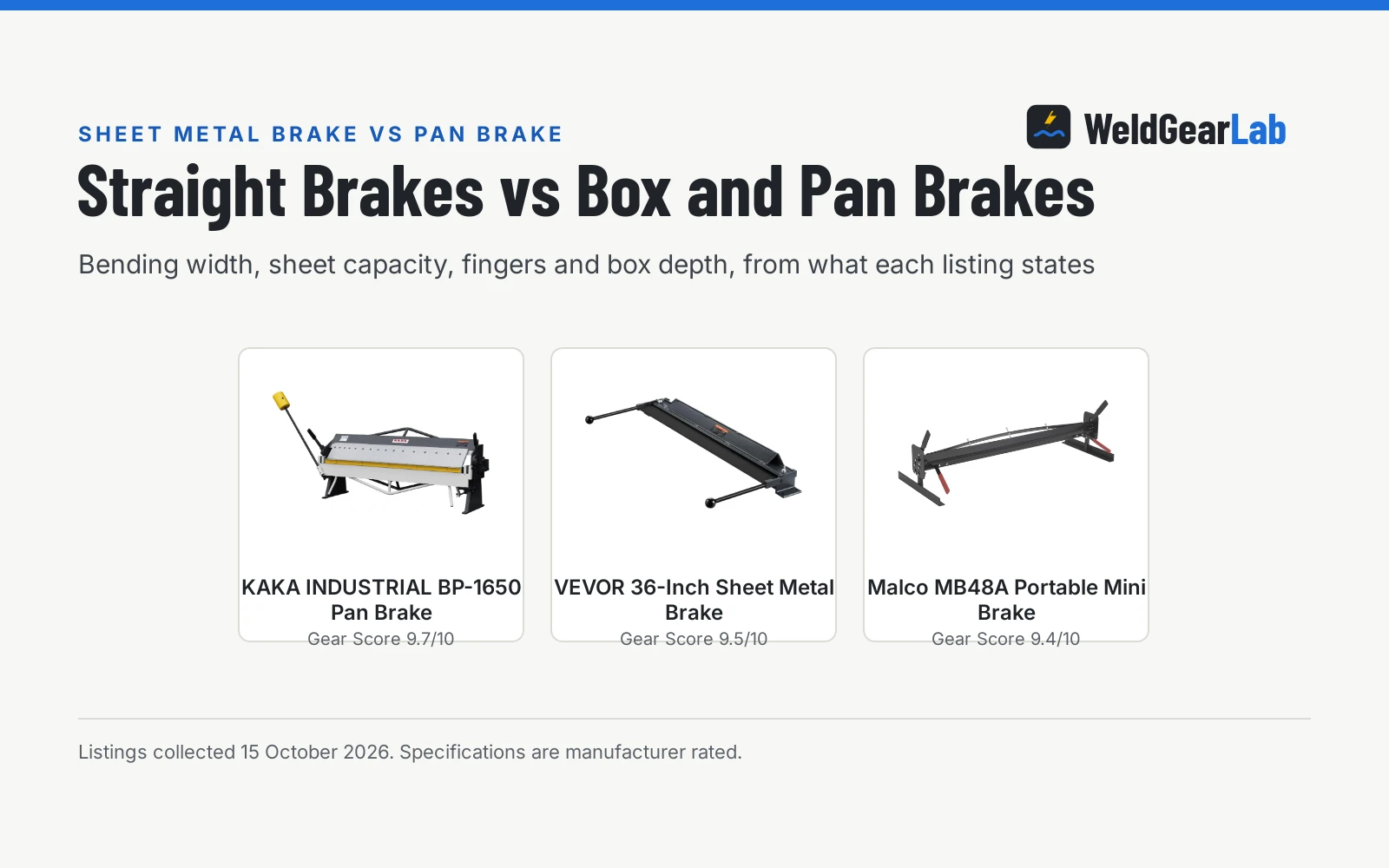
Straight sheet metal brakes and pan brakes compare on sheet capacity, removable fingers, box depth, frame weight and practical shop metal fabrication uses.
Rotary draw and mandrel benders shape metal tubing differently, with rotary draw handling standard roll cage walls and mandrel setups preventing collapse on thin…
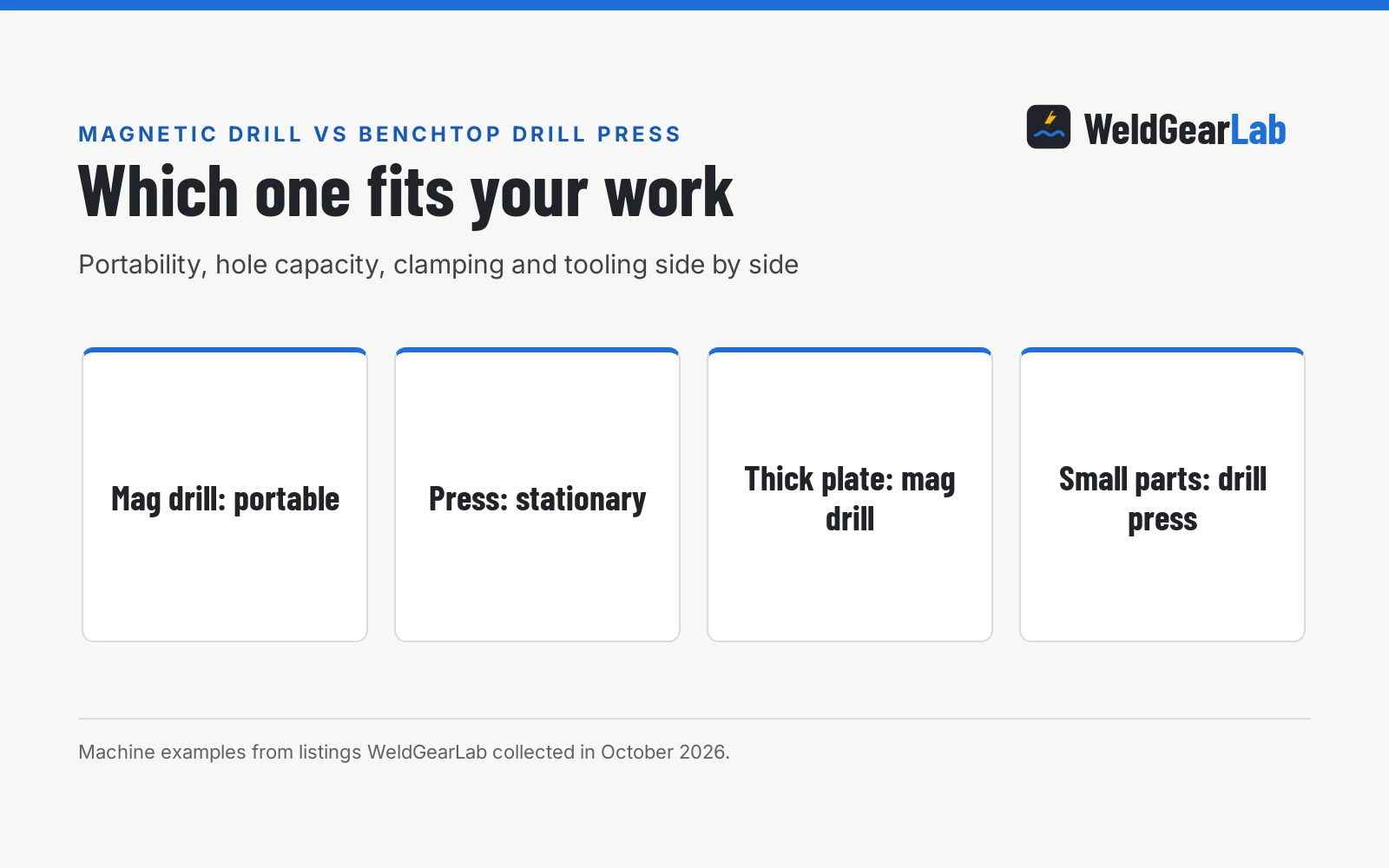
A magnetic drill clamps directly to structural steel with an electromagnet for field fabrication, while a benchtop drill press stays on the workbench for…
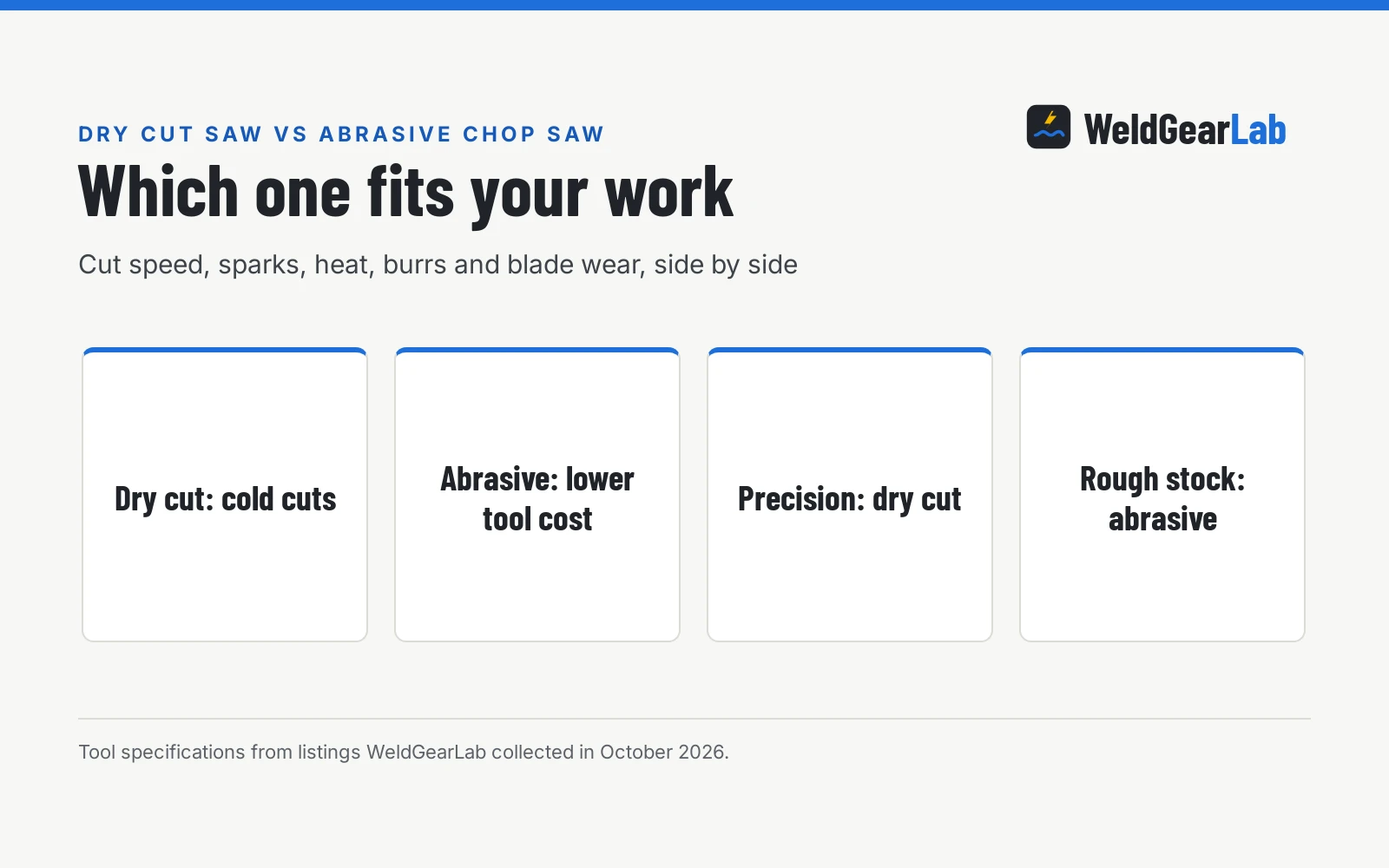
Dry cut saws use toothed carbide blades to deliver clean, cold cuts with minimal sparks and burrs, while abrasive chop saws rely on friction…
Horizontal and vertical metal band saws handle different cutting jobs: horizontal saws excel at straight cutoffs and miters, while vertical saws cut curves and…
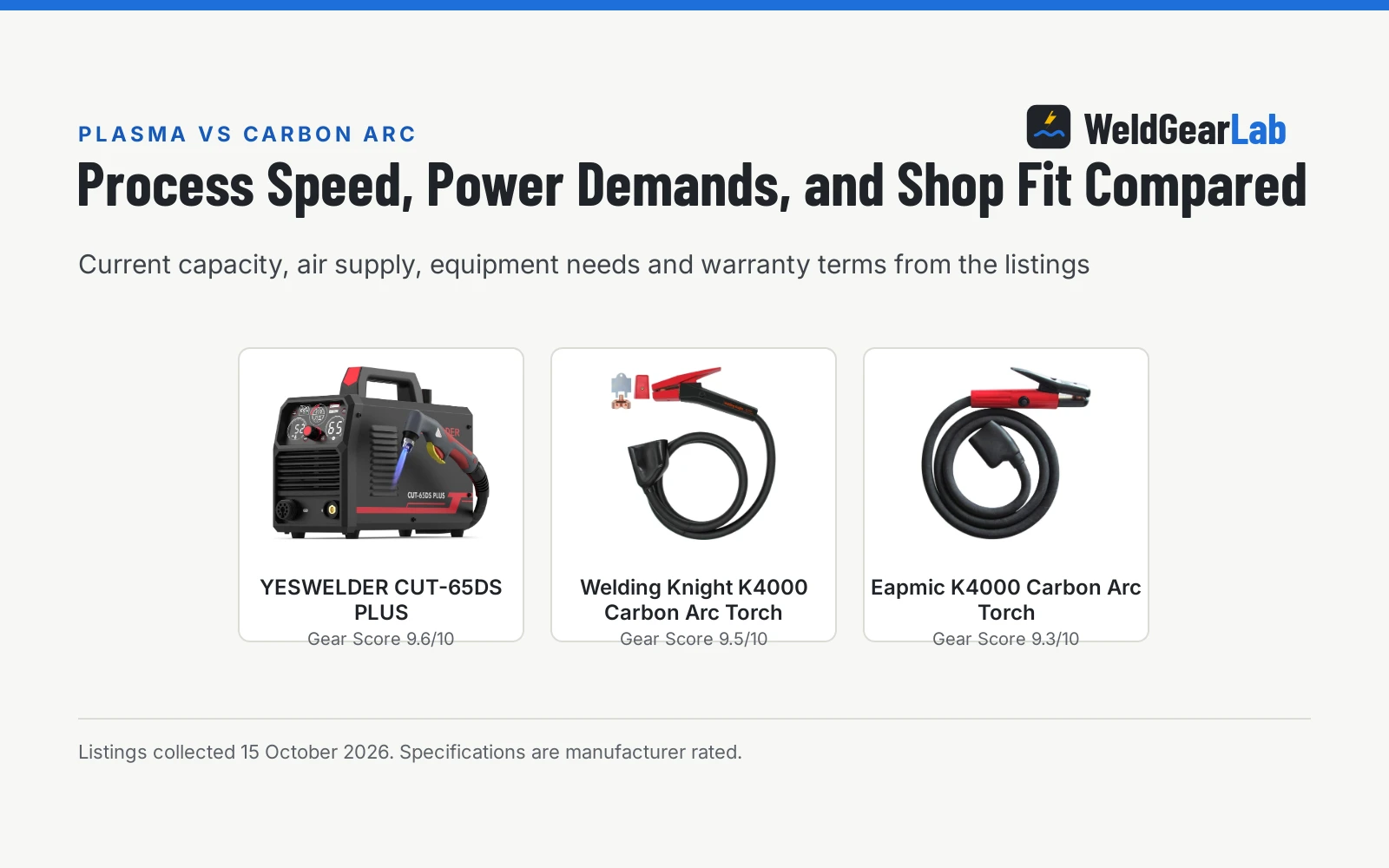
Plasma gouging and carbon arc gouging take two different routes to remove metal, and here is how three real shop listings compare on power,…
Machine torches mount straight on CNC tables for automated cutting, while hand torches use an angled handle and trigger for manual fab and repairs.
Air plasma and nitrogen plasma suit different shop jobs, cutting speeds, edge oxidation requirements, and gas supply setups for metal fabrication.