Air Plasma vs Nitrogen Plasma Cutter: Which One Should You Buy?
Air plasma and nitrogen plasma suit different shop jobs, cutting speeds, edge oxidation requirements, and gas supply setups for metal fabrication.

On this page
Top picks at a glance
As an Amazon Associate I earn from qualifying purchases.
- 1
 NANPU 3/4" NPT Industrial Air Compressor Filter Dryer9.7/10View on Amazon
- 2
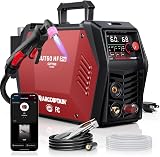 ARCCAPTAIN iControl CUT60 Pro Plasma Cutter Machine9.8/10View on Amazon
- 3
 Hypertherm Powermax 30 Air Plasma Cutter 088096 with Built-In9.5/10View on Amazon
- 4
 Hobart AirForce 12ci Plasma Cutter 120V with Built-In AirView on Amazon
- 5
 Bestarc Plasma Cutter MachineView on Amazon
- 6
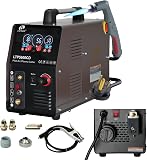 LTP5600CD 56A Drag-Cut Built-In Air Plasma Cutter 110V/220VView on Amazon
- 7
 Reboot Plasma Cutter With Built In Air Compressor 40A 120VView on Amazon
- 8
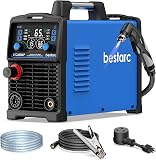 Bestarc 65A Non-HF CNC Plasma CutterView on Amazon
- 9
 LTP6010D 60A Drag-Cut Pilot Arc Plasma Cutter 110V/220VView on Amazon
When you have a sheet of stainless steel or mild plate clamped to the cutting table, deciding between an air plasma vs nitrogen plasma cutter comes down to edge chemistry, prep time, and operating cost. Compressed air is the standard choice for general steel fabrication, farm equipment repair, and budget-conscious shop work because ambient air is readily available from an air compressor. Nitrogen plasma is the professional solution for stainless steel and aluminum, where preventing edge oxidation and nitride contamination eliminates grinding before welding. This guide compares both plasma cutting processes side by side so you can choose the right gas setup for your bench.
Other welders and gear to compare
 Hobart AirForce 12ci Plasma Cutter 120V with Built-In AirCheck price on Amazon
 Bestarc Plasma Cutter MachineCheck price on Amazon
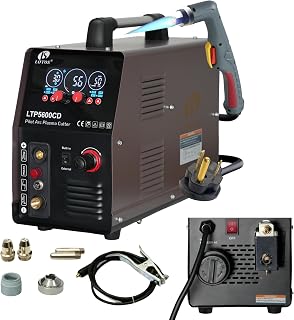 LTP5600CD 56A Drag-Cut Built-In Air Plasma Cutter 110V/220VCheck price on Amazon
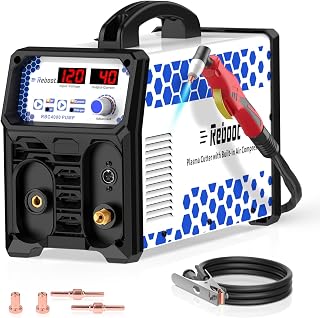 Reboot Plasma Cutter With Built In Air Compressor 40A 120VCheck price on Amazon
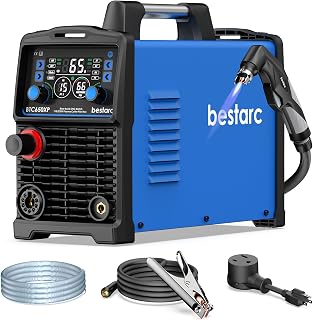 Bestarc 65A Non-HF CNC Plasma CutterCheck price on Amazon
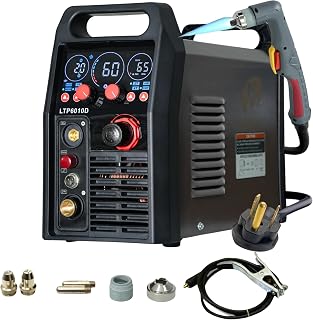 LTP6010D 60A Drag-Cut Pilot Arc Plasma Cutter 110V/220VCheck price on Amazon
This guide links to our product roundups, where WeldGearLab gets a commission on purchases made through links on this page, and your price stays the same. Read our affiliate disclosure.
The difference in one paragraph
A plasma arc ionizes gas into a superheated jet that melts conductive metal while high-velocity gas blows the molten puddle through the kerf. When you run compressed air, ambient oxygen and nitrogen in the air stream react with the molten metal edge, creating iron oxide on carbon steel and chromium nitride on stainless steel. That reaction leaves a hardened, discolored cut edge that requires grinding before you can lay down a sound bead. Pure nitrogen acts as an inert shield, shielding the molten puddle from oxygen and moisture to produce a clean, square, dross-free edge that is ready for welding immediately after cutting.
Air plasma vs nitrogen plasma cutter: side by side
| Air plasma (built-in air) | Air plasma (external air) | Nitrogen plasma | |
|---|---|---|---|
| Gas supply source | Internal air compressor pump | External shop air compressor | High-pressure nitrogen cylinder |
| Primary metals | Carbon steel sheet and farm repair | Carbon steel plate and structural tube | Stainless steel and aluminum fabrication |
| Cut edge oxidation | Surface oxidation and nitride layer | Heavier oxidation and nitride scale | Clean, dross-free edge without oxidation |
| Weld preparation | Edge grinding required before welding | Edge grinding required before welding | Ready for welding with minimal or no grinding |
| Operating cost | Lowest running cost per cut hour | Very low running cost per cut hour | Higher cost from gas bottle refills and delivery |
| Equipment setup | Self-contained plug-and-cut machine | Air compressor, air hose, moisture filter | High-pressure gas regulator and cylinder cart |
| Shop portability | High mobility for remote field jobs | Tied to shop compressor air hose | Limited mobility due to heavy gas cylinders |
| Consumable wear | Standard electrode and nozzle wear | Depends on air dryness and filtration | Extended electrode life in clean gas stream |
Gas selection directly dictates consumable life and cut quality; always check whether your plasma torch and power supply specify standard compressed air or require dedicated nitrogen consumables and high-pressure fittings.
When air plasma is the better choice
- Carbon steel cutting. Mild steel plate, structural tubing, and angle iron cut cleanly with air, and the slight surface oxidation is easily prepped with a wire wheel or grinding disc.
- Low running cost. Ambient shop air is essentially free once you own a compressor, eliminating regular trips to the gas supplier for cylinder exchanges.
- Job site and field repairs. Portable inverter cutters run directly off small shop compressors or internal pumps without hauling heavy compressed gas cylinders into the field.
- General farm and fabrication work. Gouging out cracked welds, trimming brackets, and cutting scrap metal do not require surgical edge chemistry.
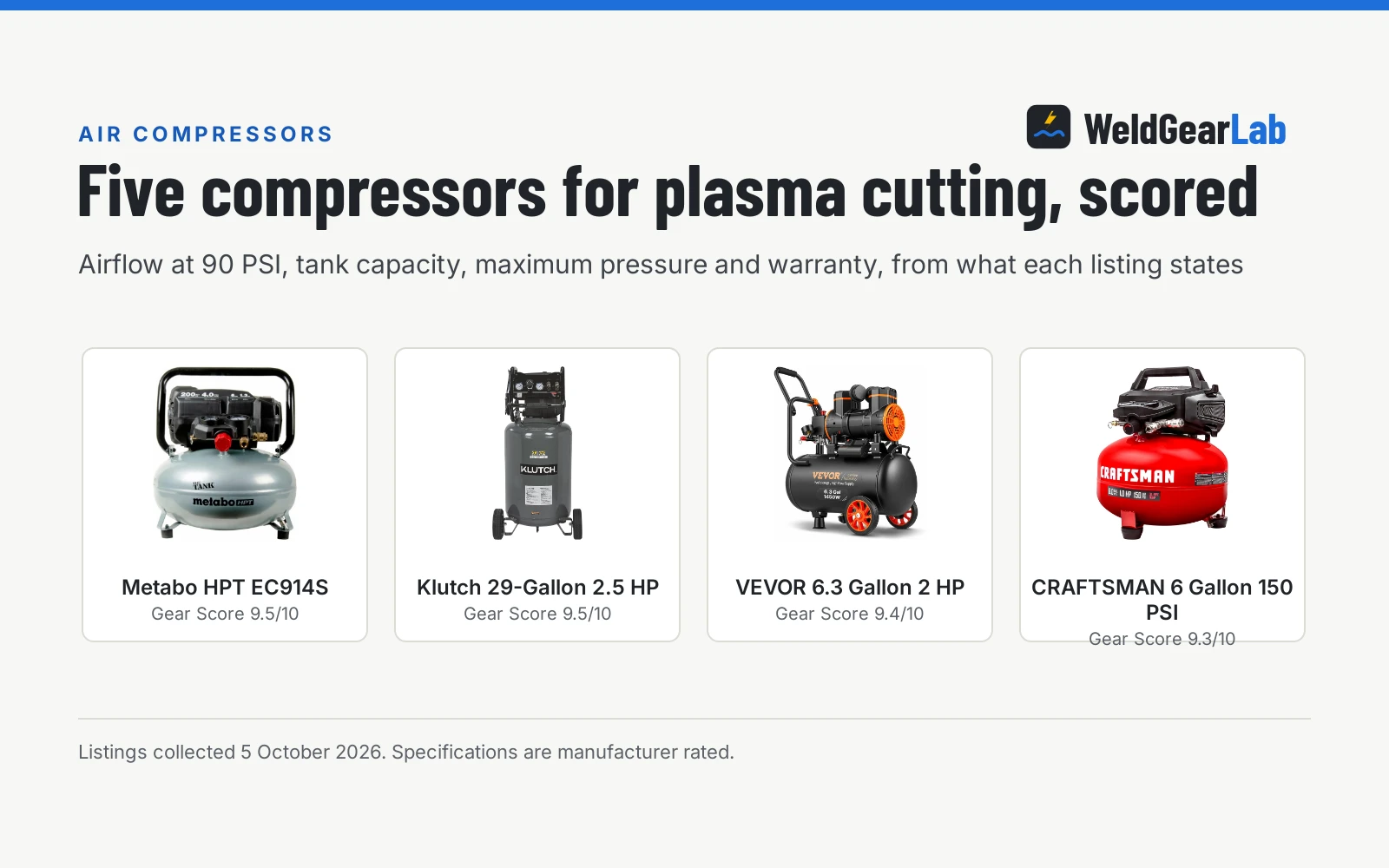
For shop and mobile cutting, the LOTOS APEX LTP5600CD listing states an integrated air compressor (an onboard internal air pump): it slices up to 1/2 inch steel on internal air, or connects to an external compressor for 5/8 inch clean cuts and 3/4 inch severance cuts, at 4 cfm and 75 psi per the spec table. Larger dual-voltage shop units like the Bestarc BTC800DP operate at 80A on 110V/220V power, requiring 70PSI compressed air at 250 liters per minute through a 1/4 NPT connector to deliver a 7/8 inch clean cut and 1.38 inch maximum cut. See our roundup of the best plasma cutter for farm use for dependable air-fed shop options.
When nitrogen plasma is the better choice
- Stainless steel fabrication. Nitrogen prevents chromium oxidation along the kerf, keeping the cut edge bright, corrosion-resistant, and free of stubborn nitride scale.
- Weld-ready fit-up. Edges cut with nitrogen require minimal or no edge grinding before TIG or MIG welding, as the comparison table states.
- Aluminum plate and sheet. Cutting aluminum with nitrogen minimizes oxide formation and dross adherence, yielding smoother edge faces with less bevel.
- Sanitary and precision work. Food service equipment, dairy tanks, and architectural stainless demand clean kerfs without carbon or oxide contamination.
In production fab shops where parts go straight from the cutting table to the welding bench, nitrogen cutting reduces the edge preparation step before welding, while the gas supply adds cylinder refills and delivery to the operating cost. If your work involves non-ferrous metals, review our guide on can a plasma cutter cut aluminum for setup recommendations.
How to tell what a machine supports
Most consumer and entry-level plasma cutters are engineered strictly for compressed air, while industrial multi-gas systems support nitrogen, argon-hydrogen, or oxygen. Inspect the machine’s rear panel and manual for these indicators:
- Inlet gas labeling. Machines designed only for air explicitly label the gas connection for air only or dry air, and provide a single push-to-connect or NPT fitting.
- Internal compressor integration. Units with onboard pumps, like the Reboot RBC4000PUMP rated at 40A on 120V power for a 3/8 inch clean cut, or the Hobart AirForce 12ci weighing 29 pounds, run solely on compressed air.
- Dual-gas inlet ports or purge controls. Multi-gas power supplies feature dedicated gas selector switches, digital purge routines, and solenoids rated for high-pressure cylinder delivery.
- Torch consumable listings. Check the manufacturer parts breakdown. Nitrogen-capable torches list specialized swirl rings, electrodes, and shield caps optimized for pure nitrogen flow.
Units like the Bestarc BTC650XP include built-in air pressure sensors displaying parameters on a digital screen and specify dry compressed air at 65PSI for its 65A output. Standard hobby torches cannot simply be hooked up to bottled nitrogen without verifying that the internal solenoid valves, torch seals, and pressure switches tolerate dry cylinder gas. For portable shop work, explore our guide to the best portable plasma cutter.
Gas supply and torch requirements
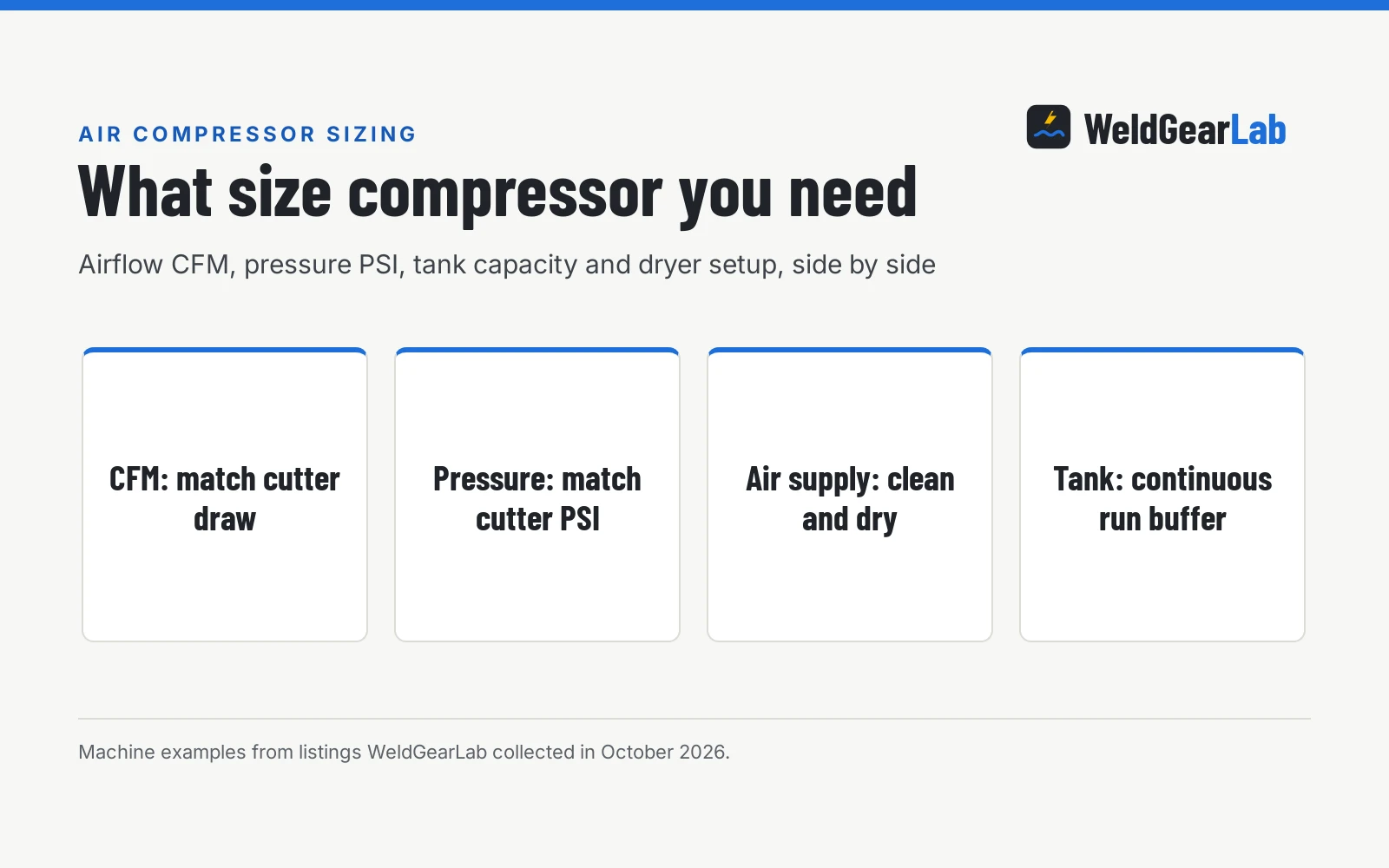
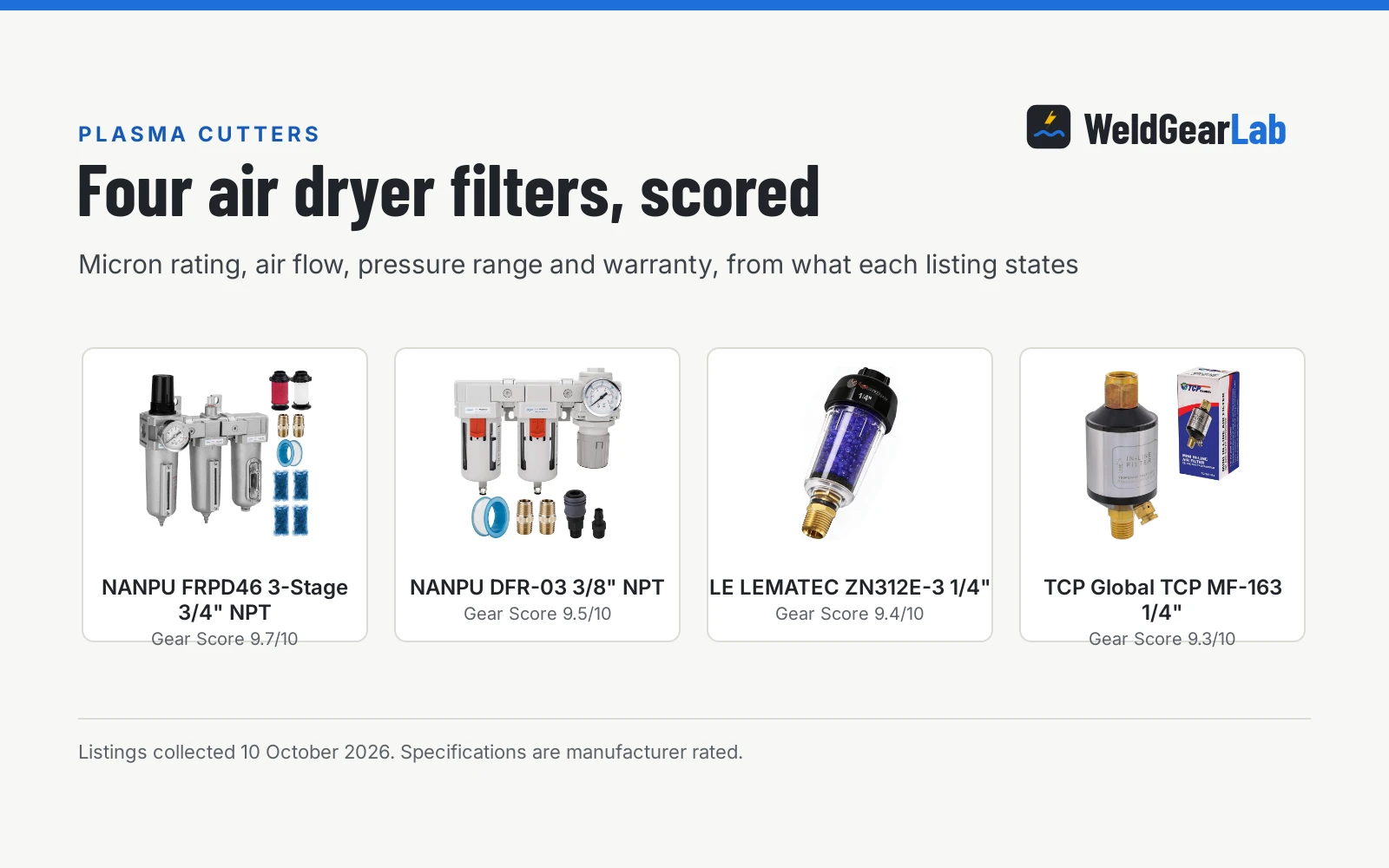
Running compressed air demands consistent volume and dry, oil-free delivery. Moisture in an air line causes rapid nozzle wear, arc sputtering, and jagged cuts, which is why an inline moisture trap and particulate filter are mandatory. Listings like the Bestarc BTC800DP specify a clean air flow rate of 250 liters per minute with air pressure adjusted manually through an integrated regulator.
Nitrogen supply setups require high-pressure gas cylinders, a certified multi-stage gas regulator, and non-permeable hoses. Because nitrogen bottles hold gas under intense pressure, the cylinder must be chained securely in an upright position on a dedicated cart or wall bracket. High-purity nitrogen eliminates the water and oil contamination common in shop compressor tanks, prolonging torch consumable life. For more details on air filtration and line setup, check our guide on plasma cutting consumables and our breakdown of gas for plasma cutter options.
Can one plasma cutter run both gases?
Certain industrial and commercial plasma machines can switch between compressed air and nitrogen, provided the power supply features compatible gas valving and the torch accepts nitrogen consumables. On dual-gas machines, you can cut structural carbon steel on air to keep costs low, then switch the supply line to nitrogen when beveling stainless steel plate or processing aluminum sheet. However, budget hobby cutters designed exclusively for air must never be connected directly to high-pressure cylinder gas without manufacturer approval. See our comparison on built in compressor vs external compressor plasma cutter systems.
Shop safety and gas handling. Plasma cutting produces intense UV arc radiation, molten sparks, high noise levels, and hazardous metal fumes. Always wear shade-appropriate eye protection, flame-resistant leather gloves, and a proper welding jacket. When cutting with nitrogen, ensure adequate shop ventilation because inert gas displacement in an enclosed space creates an asphyxiation hazard. Secure all gas cylinders upright with safety chains, inspect gas hoses regularly for leaks, and verify a solid earth ground connection to the workpiece. Review our tips on how to reduce dross when plasma cutting to dial in clean cutting parameters safely.
FAQ for welders
Can you use nitrogen in a standard air plasma cutter?
Only if the cutter manufacturer explicitly permits inert gas use in the owner manual. Standard air cutters often have pressure switches and internal valves calibrated solely for shop compressor lines, and standard torch consumables may not deliver optimal gas swirl with bottled nitrogen. Using unapproved gas can void your warranty and cause premature torch failure.
Why does air plasma cause problems when welding stainless steel?
Compressed air contains oxygen and nitrogen that react with molten stainless steel at plasma arc temperatures. This reaction creates chromium oxide and a hardened nitride layer along the cut face. If you weld over that unground edge, the contamination causes severe porosity, weld cracking, and loss of corrosion resistance.
Does nitrogen plasma cut faster than compressed air?
On stainless steel and aluminum, nitrogen provides equal or slightly faster cutting speeds while producing a noticeably smoother, squarer kerf. On mild carbon steel, compressed air can cut faster because oxygen in the air creates an exothermic reaction that adds heat to the cut. For general steel plate, air remains the faster and more economical choice.
Do plasma consumables last longer with nitrogen?
Yes, torch electrodes and nozzles typically last longer when operating on pure bottled nitrogen. Shop compressed air frequently carries oil aerosols and water vapor from the compressor tank, which erode the hafnium electrode emitter quickly. Pure cylinder nitrogen is bone dry and free of oil, reducing consumable erosion.
Is nitrogen plasma worth the extra cost for a home shop?
For most home and farm shops cutting mild steel, nitrogen is unnecessary and adds significant expense in cylinder leases and gas refills. If you rarely fabricate stainless steel, cutting with compressed air and cleaning the edges with an angle grinder is far more practical. Nitrogen is only worth the investment if you weld stainless or aluminum regularly and need immediate weld-ready joints.
Related: plasma cutter types, best home hobby plasma cutter, best plasma cutter for farm use, and the plasma cutters hub. Also see our guide on can a plasma cutter cut aluminum.