Bench Vise vs Post Vise: Which One Should You Buy?
Bench vises suit bench work, drilling and pipe cutting, while post vises suit hammering and bending at the leg, and the listed bench vises show that side in practice.

On this page
Top picks at a glance
As an Amazon Associate I earn from qualifying purchases.
- 1
 VEVOR Bench Vise 8 Inch Jaw Width Multipurpose with9.7/10View on Amazon
- 2
 VEVOR Bench Vise9.8/10View on Amazon
- 3
 Forward 30606 6 Inch Bench Vise Heavy Duty with Anvil and9.7/10View on Amazon
- 4
 VEVOR Bench Vise 6 InchView on Amazon
- 5
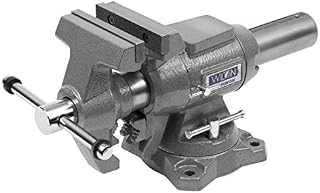
 Wilton Multi-Purpose Bench ViseView on Amazon
- 6
 Kosday 360° Swivel Bench ViseView on Amazon
- 7
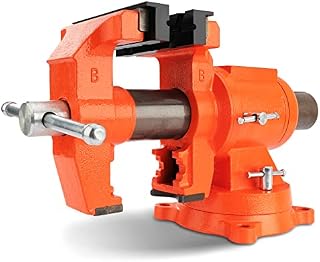
 PONY 5 Inch Heavy Duty Bench Vise with 360-Degree Swivel BaseView on Amazon
- 8
 Forward 1750B 5 Inch Bench Vise Heavy Duty with Anvil andView on Amazon
- 9
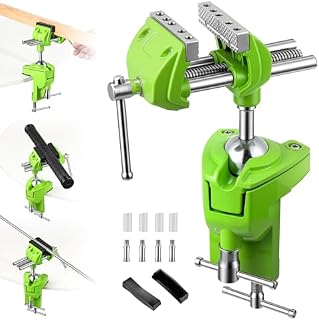
 Flyrivergo Bench ViseView on Amazon
A bent bracket waits for straightening, a pipe needs holding square for a cut, and a flat bar needs a bend before it fits. The vise on the bench decides how much of that work goes smoothly and how much turns into a fight with a shifting workpiece. This guide answers bench vise vs post vise directly: a bench vise suits bench work, drilling and pipe cutting, while a post vise suits hammering and bending at its leg. The rest of this guide sets out how the two styles differ, when each style earns its place, and listed vises ranked for shop use.
Other welders and gear to compare
 VEVOR Bench Vise 6 InchCheck price on Amazon
 Wilton Multi-Purpose Bench ViseCheck price on Amazon
 Kosday 360° Swivel Bench ViseCheck price on Amazon
 PONY 5 Inch Heavy Duty Bench Vise with 360-Degree Swivel BaseCheck price on Amazon
 Forward 1750B 5 Inch Bench Vise Heavy Duty with Anvil andCheck price on Amazon
 Flyrivergo Bench ViseCheck price on Amazon
This guide links to our product roundups, where WeldGearLab gets a commission on purchases made through links on this page, and your price stays the same. Read our affiliate disclosure.
Bench vise vs post vise at a glance
A bench vise mounts on the bench and holds work at bench height for sawing, filing, drilling and assembly. A post vise mounts with a leg that reaches the floor, so hammering and bending loads travel down the leg instead of into the bench top. That mounting difference drives the whole choice: bench height and clamping versatility for the bench vise, striking strength at the leg for the post vise.
Side by side
| Bench vise | Post vise | Drill press vise | |
|---|---|---|---|
| Mounting | Bolts or clamps to the bench | Leg reaches the floor | Slotted base for drilling work |
| Hammering and bending | Light hammering on the anvil where fitted | Built for heavy hammering and bending | Not a striking vise |
| Listed gear | SEDY 6-inch bench vise; ICOOCKIT 3-inch bench vise | No post vise among the listed gear | Nagpew drill press vise |
| Adjustment | 360 degree swivel on each listed bench vise | Not stated in this guide | Flexible pivot handle |
| Work holding | Flat stock, pipe and round stock | Long stock and forgings at the leg | Workpieces for drilling |
| Best for | Bench work, drilling and pipe cutting | Hammering, bending and striking work | Drilling, milling and modeling work |
| Watch out for | Clamp-on models in this guide suit light-duty work | Needs floor space at the leg | Not a bench vise or a post vise |
The table states the pattern for each style. The gear section below names the listed vises behind the bench vise column and flags where a listing differs from the pattern.
When a bench vise is the better choice
- Bench work. Sawing, filing, drilling and assembly at bench height, with the work held firm while both hands stay free.
- Pipe and round stock. A bench vise with pipe jaws holds pipe and tubing for cutting and threading.
- Small shops and shared benches. A clamp-on bench vise moves between benches and suits light-duty, general-purpose tasks where a bolted vise would be in the way.
- Delicate surfaces. Magnetic jaw pads protect finished surfaces from scratches while the vise keeps its grip.
See the ductile iron vs cast iron bench vise guide for how the two iron types differ.
When a post vise is the better choice
- Heavy hammering. Striking work sends force down the leg to the floor, which is what the post vise pattern is built for.
- Bending. Long stock bends against the leg and jaws without levering the bench top.
- Forging-style work. Hot work and heavy striking belong at a vise that stands on its own leg.
- Work away from the bench top. Tall or awkward pieces clear the bench when held at the leg.
The listed vises, ranked
SEDY 6-inch bench vise. The listing states 60,000 PSI ductile iron and up to 4500 lbs of clamping force, with a 360 degree swivel locking base and dual locking handles. It adds a large built-in anvil work surface, integrated pipe jaws and two magnetic jaw pads, and the listing names woodworking, metalworking, drilling and pipe cutting among its uses. Title, bullets and spec table agree on the 6-inch size, so no contradiction shows in this listing. It leads this ranking because it covers the widest bench vise work in this guide: holding, pipe work and light hammering on the anvil.
ICOOCKIT 3-inch bench vise. The listing states high-strength cast iron, a 3.8 lb weight, a 3.2-inch jaw width, a maximum jaw opening of 2.5 inches and a base clamp range of 3.2 inches, with a 360 degree swivel base and clamp-on installation. The listing names light-duty, general-purpose tasks including woodworking, conduit cutting, drilling and metalworking. A contradiction shows: the title says 3 inch while the bullets state a 3.2-inch jaw width, so the jaw width figure comes from the bullets. It follows in this ranking because it suits small work and shared benches, but its light-duty scope and small jaws limit it beside the SEDY vise.
Nagpew drill press vise. The listing states a cast iron body with jaw and pivot crafted from 45 steel, a flexible pivot handle, a slotted base and a blue painted surface. Title and bullets disagree on jaw opening: the title says 4 inch while the bullets state a widest jaw opening length of 4.3 inch, so both figures are stated here and the listing does not resolve them. It closes this ranking for an honest reason: it is a drill press vise, not a bench vise or a post vise, and its slotted base suits mounting for drilling work rather than general bench holding. For drilling, it earns its place; for bench vise vs post vise work, it is the wrong pattern.
A note on the post vise column: no post vise appears among the listed gear in this guide, so the post vise side of the table describes the style pattern rather than a listed model. Readers who need heavy hammering and bending should look for a post vise listing that states its own mounting and jaw figures rather than treating any vise here as a post vise.
See the swivel vs fixed welding vise guide for how swivel bases trade against fixed mounts.
FAQ for welders
Can a bench vise take heavy hammering?
A bench vise suits light hammering on a fitted anvil, like the anvil the SEDY listing states. Heavy striking belongs at a post vise, where the leg carries the load to the floor instead of the bench top. Hammering hard on a bench vise risks the mount, the bench and the vise itself.
What jaw size should I pick?
Match the jaw to the work: the SEDY vise states a 6-inch size for general bench work, while the ICOOCKIT vise states a 3.2-inch jaw width for small work. The Nagpew vise states a 4 inch title figure and a 4.3 inch bullets figure for drilling work. Wider jaws hold broader stock, while smaller jaws suit small parts.
Can a drill press vise replace a bench vise?
No. A drill press vise like the Nagpew listing holds work for drilling, with a slotted base for mounting on a drill press table. A bench vise holds broader work at bench height for sawing, filing, assembly and pipe cutting. Each pattern suits its own job, and swapping them leaves work held poorly.
Does a swivel base matter?
Each listed bench vise states a 360 degree swivel base, which lets the work angle change without unclamping and re-clamping the piece. That helps when a cut or a weld needs a fresh angle mid-job. A fixed mount holds its angle with fewer moving parts, which some shops prefer for repetitive work.
Do I need a post vise for welding work?
It depends on the work. Bench holding, drilling and pipe cutting are bench vise jobs, and the SEDY and ICOOCKIT listings cover those. If the work regularly includes heavy hammering and bending, a post vise earns its floor space. A small shop can start with a bench vise and add a post vise when striking work becomes routine.
Related: cast iron vs forged steel bench vise, bench vise vs drill press vise, clamp on vs bolt down bench vise, and the best vise for pipe guide.