Steel Shot vs Aluminum Oxide Blasting Media: Which One Should You Buy?
Steel shot gives a smooth peened finish on small parts, while aluminum oxide cuts harder to clean and etch surfaces before coating; here is how the two examples compare on finish, reuse and bag size.

On this page
Top picks at a glance
As an Amazon Associate I earn from qualifying purchases.
- 1
 #120 Aluminum Oxide - 19 LBS9.6/10View on Amazon
- 2
 S-170 Cast Steel Shot (5 lb) | 0.43mm/0.017"9.6/10View on Amazon
Verdict. Pick steel shot when the job is light peening and a smooth finish on small parts. Pick aluminum oxide when the job is cleaning and etching a surface before coating. The steel shot example works gently, while the aluminum oxide example cuts harder and prepares a surface to hold paint or coating.
A small steel bracket with thin rust, a spring that needs peening, or a panel that needs paint to stick all start with the same question: which media goes in the blaster. Steel shot vs aluminum oxide blasting media is the choice between a smooth peened finish and an aggressive etch, and the two bags here show that split.
WeldGearLab gets a commission on purchases made through links on this page, and your price stays the same. Read our affiliate disclosure.
The two media
#120 Aluminum Oxide - 19 LBS
A 19 lb bag of #120 fine aluminum oxide grit that cleans and etches surfaces, including glass, with no detectable crystalline silica stated in the listing.
Pros
- Sharp angular grit cleans and etches all types of surfaces, including glass
- Maker states no detectable crystalline silica
- Highly reusable, and the maker claims it lasts 10 times longer than silica
- Non-reactant, so it will not interfere with coatings during surface prep
Cons
- Aggressive cutting action suits etching and coating prep more than gentle peening
- 19 lb bag is heavy to carry and store
- Blasting needs a supplied-air or rated respirator and good ventilation
- No warranty term is stated
S-170 Cast Steel Shot (5 lb) | 0.43mm/0.017"
A 5 lb bag of S-170 cast steel shot at 0.43 mm for light blasting and peening on small parts, springs, fasteners and thin metal.
Pros
- 0.43 mm spheres give a smooth, consistent finish on small parts
- Cast steel at 40 to 51 HRC resists wear and stays consistent over repeated uses
- Suited to light peening on springs, fasteners and thin metal
- Small spheres give full coverage without aggressive removal
Cons
- Made for light removal of thin layers only, not heavy rust or thick coatings
- 5 lb bag is a small amount for larger blasting jobs
- Non-stainless carbon steel, and the listing says to enclose it in sealed bags or containers for weighting and filler uses to prevent oxidation
- No warranty term is stated
Other welders and gear to compare
 S-110 Cast Steel ShotCheck price on Amazon
 S-70 Cast Steel ShotCheck price on Amazon
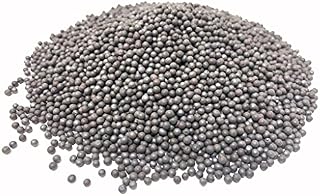 S-1320 Cast Steel ShotCheck price on Amazon
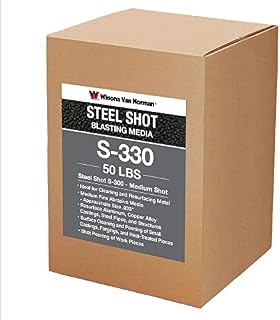 S-330 Cast Steel ShotCheck price on Amazon
 S-230 Cast Steel ShotCheck price on Amazon
 S-390 Cast Steel ShotCheck price on Amazon
Side by side
| INTERACTIVIA #120 Aluminum Oxide | Winona Van Norman S-170 Cast Steel Shot | Notes | |
|---|---|---|---|
| Gear Score | 60 | 58 | Higher is better |
| Media | Aluminum oxide, #120 fine grit | Cast steel shot, S-170 | As listed |
| Size | #120 fine grit | 0.43 mm, 0.017 in | As listed |
| Hardness | Not stated | 40 to 51 HRC | Steel shot only |
| Bag weight | 19 lb | 5 lb | Bag size differs |
| Stated use | Cleaning and etching before coating | Light removal and peening | As listed |
| Reusable | Highly reusable | Long-lasting, resists wear | Maker claims |
| Silica | No detectable crystalline silica | Not stated | Aluminum oxide only |
| Warranty | Not stated | Not stated | Neither states one |
All specs here repeat what the maker rates and the listing prints, copied down 20 November 2026. Neither listing states a warranty term or a safety certification.
Steel shot vs aluminum oxide blasting media: what separates them
The split is in what each media does to the surface. Steel shot is made of small round spheres that strike and peen, leaving a smooth, consistent finish. The maker states peening improves fatigue resistance on small parts. Aluminum oxide is a sharp, angular grit that cuts, so it cleans and etches, and the maker states it works on all types of surfaces, including glass.
What steel shot does
The Winona Van Norman example is S-170 cast steel shot, with spheres sized at 0.43 mm, or 0.017 in, and a stated hardness of 40 to 51 HRC. The maker describes it as a long-lasting carbon material that resists wear and stays consistent with multiple uses. Its stated uses are light blasting to remove thin layers of rust and deposits from small parts, and light peening. The maker also names weighting and ballast in sealed containers.
What aluminum oxide does
The INTERACTIVIA example is #120 aluminum oxide, a fine grit. The maker calls it harder than most blasting media and states it cleans and etches on all types of surfaces, including glass. The stated specific gravity is 3.9, with a bulk density of 115 to 125 lb per cubic foot. The maker calls it long lasting and highly reusable, claims it lasts 10 times longer than silica, and states it is non-reactant, so it will not interfere with coatings during surface prep.
Finish and surface prep
Steel shot leaves the surface smooth. Its small spheres give full coverage without aggressive removal, which suits light finishing and peening. Aluminum oxide leaves the surface etched and keyed for coating, which suits surface prep before coatings. The two cannot be ranked on hardness: the steel shot example states 40 to 51 HRC, while the aluminum oxide example states no hardness figure, only the maker claim that it is harder than most blasting media.
Reuse and bag size
Both makers claim their media lasts. The steel shot example is described as long-lasting carbon material that resists wear, and the aluminum oxide example is described as highly reusable, with the maker claiming it lasts 10 times longer than silica. The bags are different sizes: the steel shot example is a 5 lb bag, and the aluminum oxide example is a 19 lb bag. That is the amount of media in each bag, not a measure of how the media performs.
Safety and dust
Blasting makes dust, and the two listings differ on what they state about it. The aluminum oxide example states no detectable crystalline silica. The steel shot example states nothing about silica. Either way, blasting needs a supplied-air or rated respirator and good ventilation, and silica sand should not be used as blasting media. See the supplied-air respirator guide for options that do not use cartridges.
Choose steel shot if
- You peen small parts, springs or fasteners and want a smooth finish.
- You clean thin rust off small parts without changing the surface much.
- You want a reusable media that resists wear over repeated uses.
- You want the media for weighting or ballast in sealed containers.
Choose aluminum oxide if
- You etch a surface before paint or coating.
- You clean and etch glass or surfaces that need an aggressive cut.
- You want a highly reusable media in a larger 19 lb bag.
- You want a media the maker states has no detectable crystalline silica.
How the Gear Score works
Each product is scored out of 10 on performance, build, value, safety listing and warranty. The aluminum oxide example scores higher on performance and value, on its stated etching ability and reuse, while the steel shot example scores close behind on its stated finish and wear resistance. Neither listing states a warranty term or a safety certification, so both score zero on those two parts.
| Product | Gear Score | Perf. /35 | Build /25 | Value /25 | Safety /10 | Warranty /5 |
|---|---|---|---|---|---|---|
| INTERACTIVIA #120 Aluminum Oxide | 9.6 | 30 | 21 | 21 | n/a | 0 |
| Winona Van Norman S-170 Cast Steel Shot | 9.6 | 29 | 21 | 20 | n/a | 0 |
A pick’s weighted total decides where it lands between a 9.2 floor and a 9.8 ceiling, and a bigger total never produces a smaller number. Safety points apply to gear that runs on power or lists safety features. Without either, we score out of 90 instead of 100.
Before you blast. Wear a supplied-air or rated respirator, eye and face protection and gloves. Blast with good ventilation, keep the cabinet sealed, and check the media and cabinet seals first. Never use silica sand as blasting media.
FAQ for welders
Which media should I use for peening small steel parts?
Steel shot. The Winona Van Norman example is made for light peening, and its small spheres give a smooth, consistent finish on small parts, springs, fasteners and thin metal. Aluminum oxide is an aggressive grit, so it suits etching more than peening.
Can aluminum oxide etch glass?
Yes. The maker states the #120 aluminum oxide cleans and etches on all types of surfaces, including glass. Its sharp angular grit cuts the surface, which is why it is named for surface prep before coatings.
Is steel shot reusable?
The maker describes the S-170 cast steel shot as a long-lasting carbon material that resists wear and stays consistent with multiple uses. For weighting and filler uses, the listing says to enclose it in sealed bags or containers to prevent oxidation.
Is aluminum oxide safer than silica sand?
The maker states the aluminum oxide example has no detectable crystalline silica, while silica sand carries the silica risk blasting rules warn about. Blasting still needs a supplied-air or rated respirator and good ventilation.
What size is the steel shot in this comparison?
The Winona Van Norman example is S-170 shot, sized at 0.43 mm, or 0.017 in, with a stated hardness of 40 to 51 HRC. That small size is why the maker names it for light finishing and peening.
Related: best sandblasting media for aluminum, blasting media types, best sand blast cabinet, and the sandblasting hub. Also see sandblasting vs bead blasting.