Electric Metal Shears vs Hand Shears: Which One Should You Buy?
Electric shears trade hand effort for motor power, while hand shears stay simple, quiet and free of cords and batteries, and the right pick depends on the metal and the job.

On this page
Top picks at a glance
As an Amazon Associate I earn from qualifying purchases.
- 1
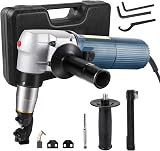 VEVOR Electric Metal Nibbler 625W Nibbler Metal Cutter9.5/10View on Amazon
- 2
 VEVOR Sheet Metal Shear9.7/10View on Amazon
- 3
 Genesis Electric Metal Cutting Shear 4 Amp 14-GaugeView on Amazon
- 4
 Sheet Metal Cutter for DrillView on Amazon
- 5
 Eastwood Electric Throatless Shear Variable Speed Metal ShearView on Amazon
- 6
 VEVOR Sheet Metal BrakeView on Amazon
- 7
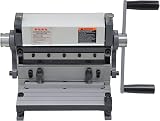 KAKA INDUSTRIAL Metal BrakeView on Amazon
A sheet metal cut starts with a choice that has nothing to do with brand. You can work hand shears and feel every inch of the cut, or you can pull the trigger on electric metal shears and let a motor do the work. Electric metal shears vs hand shears is really a question about how much cutting you face, how thick the metal runs, and whether you have power on the job. This guide compares electric and hand shears on power, capacity, control and upkeep, and names electric models with stated specs so you can see what the electric side actually offers.
Other welders and gear to compare
 Genesis Electric Metal Cutting Shear 4 Amp 14-GaugeCheck price on Amazon
 Sheet Metal Cutter for DrillCheck price on Amazon
 Eastwood Electric Throatless Shear Variable Speed Metal ShearCheck price on Amazon
 VEVOR Sheet Metal BrakeCheck price on Amazon
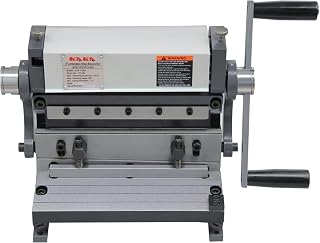 KAKA INDUSTRIAL Metal BrakeCheck price on Amazon
This guide links to our product roundups, where WeldGearLab gets a commission on purchases made through links on this page, and your price stays the same. Read our affiliate disclosure.
Electric metal shears vs hand shears
The difference is the power source. An electric shear drives its blades with a motor, corded or battery powered, so the cutting force comes from the tool rather than your grip. A hand shear cuts only when you squeeze, so the force, speed and control all come from you. That difference drives the rest: electric shears keep pace on longer cuts with less effort, while hand shears stay light, quiet and ready with no charging or cord to manage.
Side by side
| Electric metal shears | Hand shears | What it means for you | |
|---|---|---|---|
| Power source | Motor, corded 120V or battery | Your hands | Motor supplies the cutting force |
| Cutting capacity | Stated at 14-gauge, 18-gauge and 2mm | Varies by model | Check the stated gauge before you buy |
| Curves and shapes | Swivel or rotating heads (Genesis, Eastwood, CAMXTOOL) | Steer the whole tool around curves | Rotating heads help on irregular cuts |
| Speed | Variable speed on the Genesis, Eastwood and CAMXTOOL listings | One cut per squeeze | Motors keep pace on long cuts |
| Noise and upkeep | Motor noise; blades replaceable on some models | Quiet, simple blades | Check blade replacement on each listing |
| Running cost | Corded models need an outlet, cordless need a battery | No power cost | Tool-only cordless models need a battery you own |
| Best for | Long cuts, roofing and ductwork | Short cuts and trim work | Pick by cut length and metal |
The table states what each side offers in general terms. Hand shear capacities vary by model, so read the listing for any hand shear you compare against these electric models before you judge the two sides.
When electric shears are the better choice
- Long, straight cuts. Roofing and flashing runs, where a motor keeps the pace steady from start to finish.
- Thick sheet at a stated limit. The Genesis model below names 14-gauge capacity, which suits heavier sheet work.
- Repetitive shop work. Long days of cutting, where squeezing snips wears out a hand.
- Curved and irregular shapes. Swivel and rotating heads, listed on the Genesis, Eastwood and CAMXTOOL models, follow the line without forcing your wrist around bends.
When hand shears are the better choice
- Short cuts and trim work. Jobs where setup takes longer than the cut itself.
- No power on site. Work with no outlet nearby and no charged battery in the bag.
- Quiet work and simple upkeep. No motor, cord or battery to manage, and nothing to charge.
- Occasional use. Rare cuts, where a motor adds little and takes up storage space.
Electric shears worth a look
The electric models line up as follows, ranked by stated capacity, warranty terms and listing completeness.
Genesis GES40. The Genesis names the thickest stated gauge in the group: its listing names 14-gauge sheet metal, a 4-amp motor, a 360-degree swiveling head and variable speeds from 0 to 2,500 SPM, with a 3-blade cutting system the maker says reduces metal deformation. It runs on 120V through a 5-foot cord, weighs 5.4 pounds, and includes a hex key for blade replacement. The listing states a 2-year warranty.
Milwaukee M18 shear. The Milwaukee is the cordless pick for anyone already on the M18 battery platform. Its listing names an 18-volt lithium-ion motor, an 18-gauge double cut, high carbon steel blades and a 5-year tool warranty, at 3.9 pounds. Note that it is sold tool-only, so it suits a shop that already owns the battery platform.
Eastwood electric shear. The Eastwood is the listed-safety pick: its listing states UL and CUL listing, a 120V drill-type motor with variable 0 to 2500 RPM speed, rotating jaws that turn 360 degrees, and replaceable blades. It cuts steel up to 18-gauge thick and weighs 5.5 pounds. A wrinkle: the spec table lists both minimum and maximum speed as 2500 rpm, which clashes with the variable 0 to 2500 RPM claim in the bullets, and the bullets read as the better guide.
CAMXTOOL cordless shear. The CAMXTOOL is the cordless entry for anyone on the DeWalt 20V Max platform. It is brushless and sold tool-only, and its listing states the battery is not included. The 360-degree pivoting head and variable speed trigger suit curves and tight spots, and the listing rates it for metal up to 2mm thick. It weighs 4.69 pounds and uses alloy steel. No warranty term is stated, unlike the Genesis and Milwaukee listings.
How to pick between them
Start with the job, then match the tool to it:
- Power on site. A 120V outlet suits the Genesis and Eastwood, while the Milwaukee and CAMXTOOL need a battery platform you already own.
- Stated capacity. The Genesis names 14-gauge, the Milwaukee and Eastwood name 18-gauge, and the CAMXTOOL names 2mm. Compare like with like and never guess past a stated limit.
- Cut shape. A swivel or rotating head helps on curves; the Genesis, Eastwood and CAMXTOOL listings state one.
- Warranty terms. The Milwaukee tool warranty runs 5 years and the Genesis runs 2 years, while no warranty term is stated for the Eastwood or the CAMXTOOL.
Cut edges stay sharp. Wear eye protection and gloves when cutting, keep fingers clear of the blades, and clear cutoffs from the work area so they do not catch a foot or a tire. Unplug corded shears and remove the battery from cordless models before changing blades.
FAQ for welders
Can electric shears cut thicker metal than hand shears?
The electric models listed here state their limits: the Genesis names 14-gauge, while the Milwaukee and Eastwood name 18-gauge. Hand shears have no stated limit in this guide, so compare a hand shear’s own listing before assuming it matches. For thick sheet, the stated gauge on an electric model is the honest comparison point.
Do cordless electric shears come with a battery?
Not always. The Milwaukee M18 and the CAMXTOOL models here are sold tool-only, and the CAMXTOOL listing states the battery is not included. The Genesis and Eastwood models are corded 120V, so they need an outlet and no battery at all.
What does a swivel or rotating head do?
It lets the cutting head turn while the body stays put, so you can follow curves and irregular shapes without twisting your wrist into an awkward angle. The Genesis lists a 360-degree swiveling head, and the Eastwood and CAMXTOOL list rotating heads that turn 360 degrees. That matters most on roofing, flashing and ductwork with bends.
Can I replace the blades on electric shears?
The Genesis listing includes a hex key for blade replacement, and the Eastwood listing states replaceable blades. The Milwaukee and CAMXTOOL listings do not state blade replacement, so check the manual before buying spares.
Are electric shears good for stainless steel?
The CAMXTOOL listing names stainless steel among the materials it cuts, along with sheet metal, steel, aluminum and corrugated panels. No other listing names stainless as a material it cuts. If stainless is your main work, pick a model whose listing names it.
Related: best sheet metal shears, sheet metal shears vs tin snips, and metal shear vs metal nibbler.