CNC Milling vs CNC Turning: Which One Should You Buy?
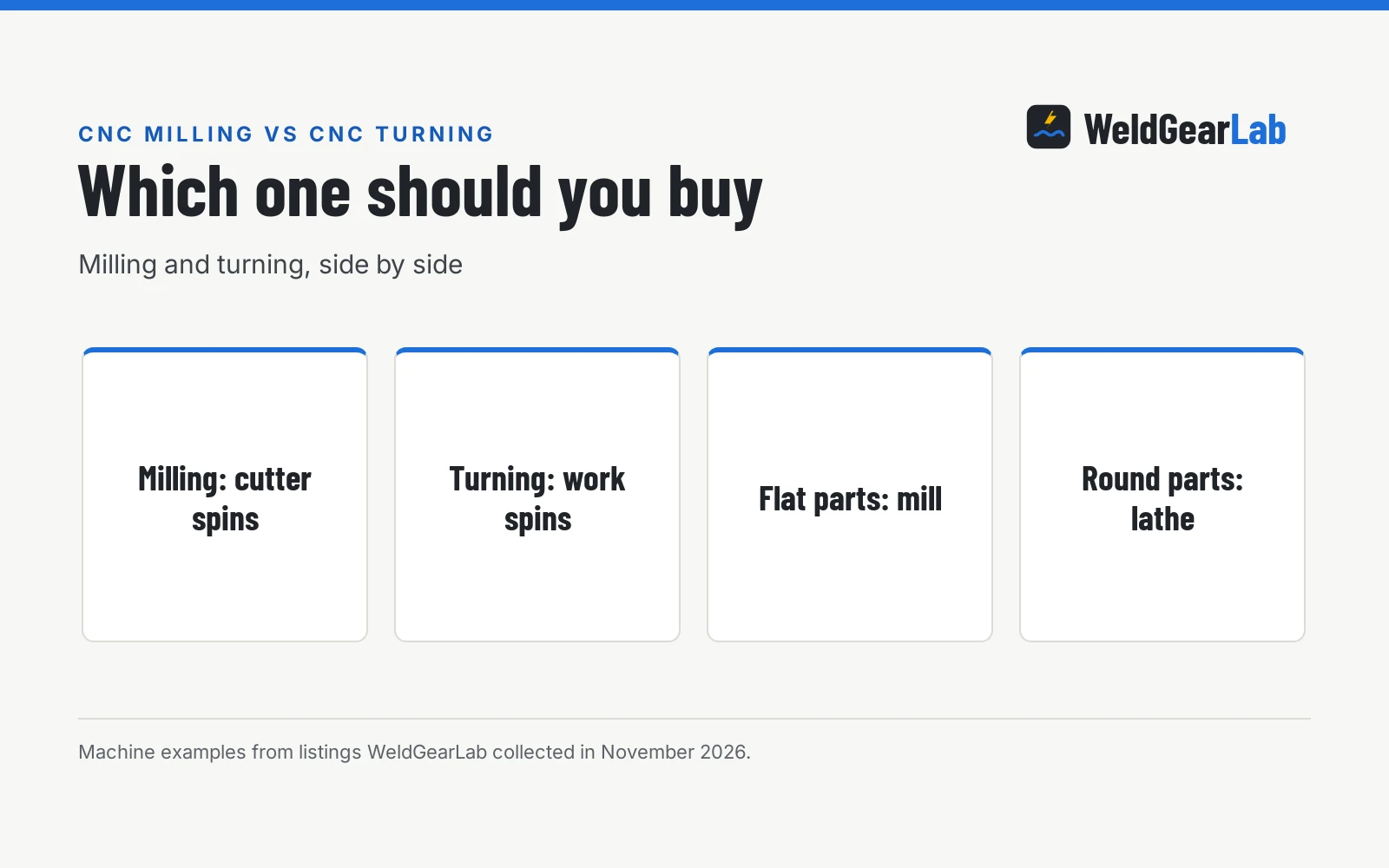
CNC milling spins the cutter while the work stays clamped, and CNC turning spins the work while the cutter feeds along it, so the shape of the part decides which process fits.

On this page
Top picks at a glance
As an Amazon Associate I earn from qualifying purchases.
- 1
 Twotrees TTC450 Pro All-Metal CNC Router Machine with NEMA 579.7/10View on Amazon
- 2
 Hunricho 2pcs 1/2" Indexable Metal Lather Turning Tool Holder9.6/10View on Amazon
- 3
 FoxAlien Masuter Pro 3-Axis CNC Router Machine9.6/10View on Amazon
- 4
 Genmitsu 3018-PROVer V2 CNC Milling Machine for BeginnersView on Amazon
- 5
 VEVOR 6 Inch Heavy Duty Milling Vise Bench Clamp Vise HighView on Amazon
- 6
 VEVOR 3 Inch Heavy Duty Milling Vise Bench Clamp Vise HighView on Amazon
CNC milling vs CNC turning comes down to what moves: in milling the cutter spins and the work stays put, while in turning the work spins and the cutter feeds along it. That one difference decides which shapes each process makes well, which machine to buy, and what to learn first. No lathe is in the gear section below: every machine here is a mill, and the remaining pick is a shop-floor G-code reference that covers both milling and turning. This guide compares the two processes for home and small-shop work, and shows the milling gear that fits each side of the choice.
Other welders and gear to compare
 Genmitsu 3018-PROVer V2 CNC Milling Machine for BeginnersCheck price on Amazon
 VEVOR 6 Inch Heavy Duty Milling Vise Bench Clamp Vise HighCheck price on Amazon
 VEVOR 3 Inch Heavy Duty Milling Vise Bench Clamp Vise HighCheck price on Amazon
This guide links to our product roundups, where WeldGearLab gets a commission on purchases made through links on this page, and your price stays the same. Read our affiliate disclosure.
The difference in one paragraph: cnc milling vs cnc turning
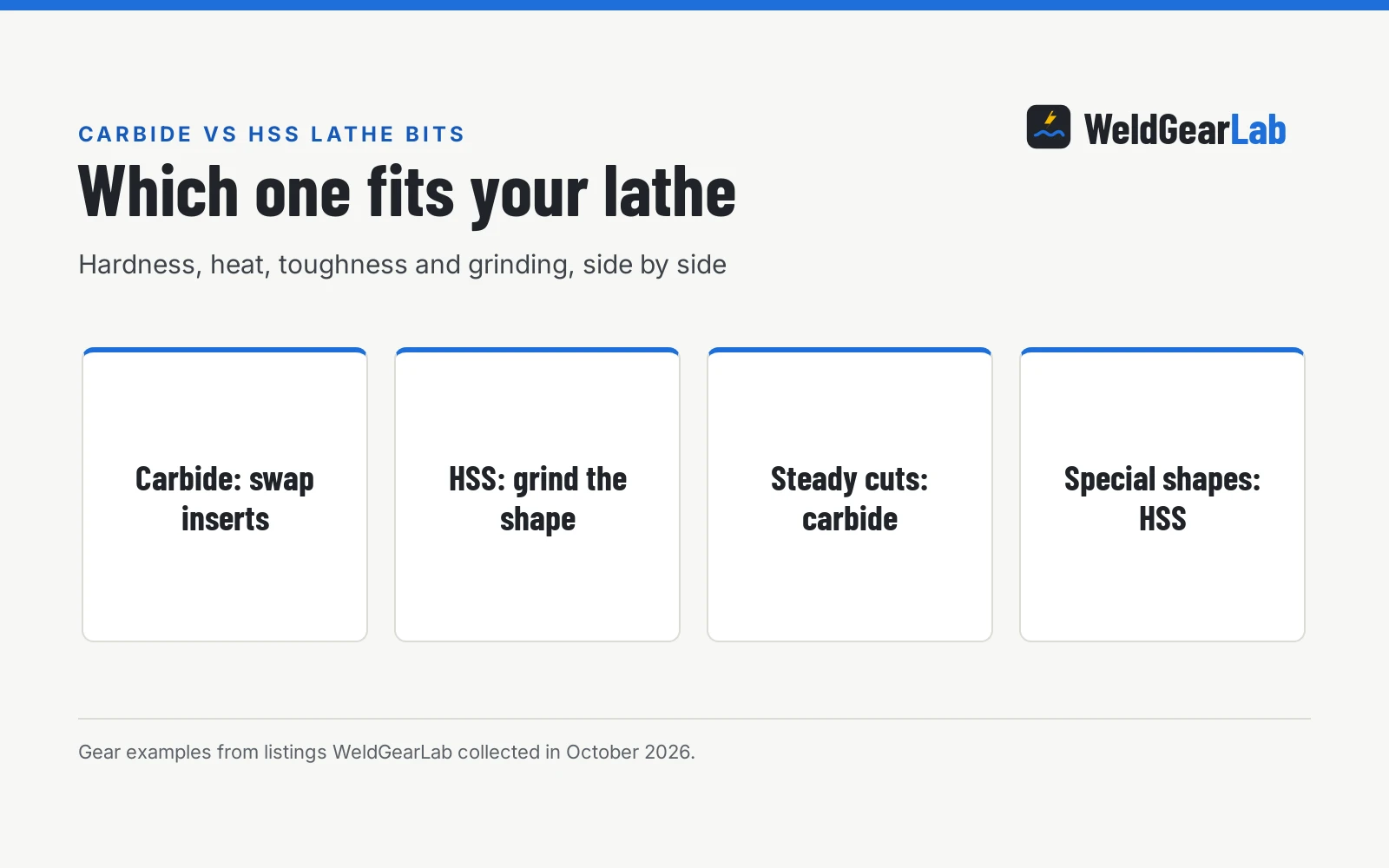
A mill holds the work still in a vise or clamps and moves a spinning cutter through it, so it suits flat faces, pockets, slots and holes. A lathe holds the work in a chuck and spins it, while a mostly still cutter feeds along the surface, so it suits round parts like shafts, bushings and tapers. Both run on G-code, and both need the work clamped solid before the spindle starts.
Side by side
| CNC milling | CNC turning | Gear in this guide | |
|---|---|---|---|
| What moves | The cutter spins; the work stays clamped | The work spins; the cutter feeds along it | All three machines are mills |
| Best shapes | Flat faces, pockets, slots, holes | Round parts, shafts, tapers, threads | Mills suit flat work |
| Typical machine | Mill or router | Lathe | 3018-PRO, 3020 Nova, 4030S |
| Work holding | Vise or clamps on the table | Chuck or collet | Nova works with a 20×10 cm vise |
| Programming | G-code for milling | G-code for turning | Pocket guide covers both |
| Materials named here | Wood, acrylic, PCB, aluminum, brass, MDF, plastics | No lathe featured | See the gear section |
The book in the gear section covers G-code and M-code for both milling and turning, plus setup, tool changes, canned cycles and offsets.
When milling is the better choice
- Flat parts with holes and pockets. Brackets, plates, enclosures and fixtures start as flat stock, and a mill cuts the faces, slots and bolt holes in one setup.
- Engraving and PCB work. A small router like the 3018-PRO mills circuit boards, signs and acrylic panels without taking over the bench.
- Prototypes in soft material. Wood and acrylic cut well on the mills in this guide with the right bits and cutting settings, and the 3018-PRO also lists PVC and soft aluminum.
- Learning G-code. A mill shows every axis move on a part you can measure, which makes the first programs easier to follow.
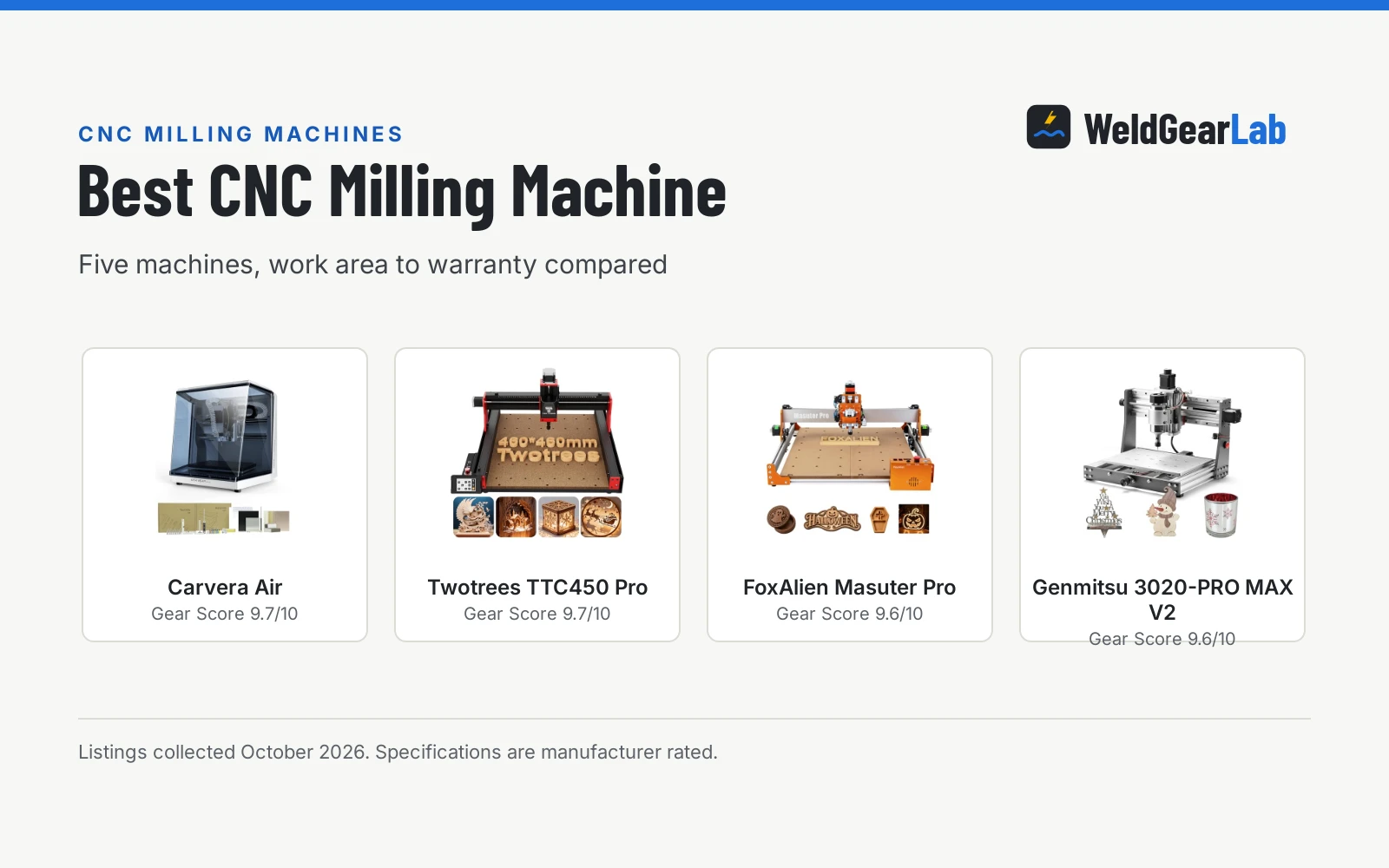
Our best CNC milling machine guide covers five machines compared.
When turning is the better choice
- Round parts. Shafts, pins, bushings and anything round all the way around are lathe work, not mill work.
- Threads and tapers. A lathe cuts threads and tapers along the spinning work, which a mill cannot do in the same way.
- Repeat round parts. Once a lathe is set up for a round profile, repeat parts come off the chuck with the same shape.
- Long round stock. A lathe holds long round bar between centers and turns the full length, where a mill would need a rotary setup.
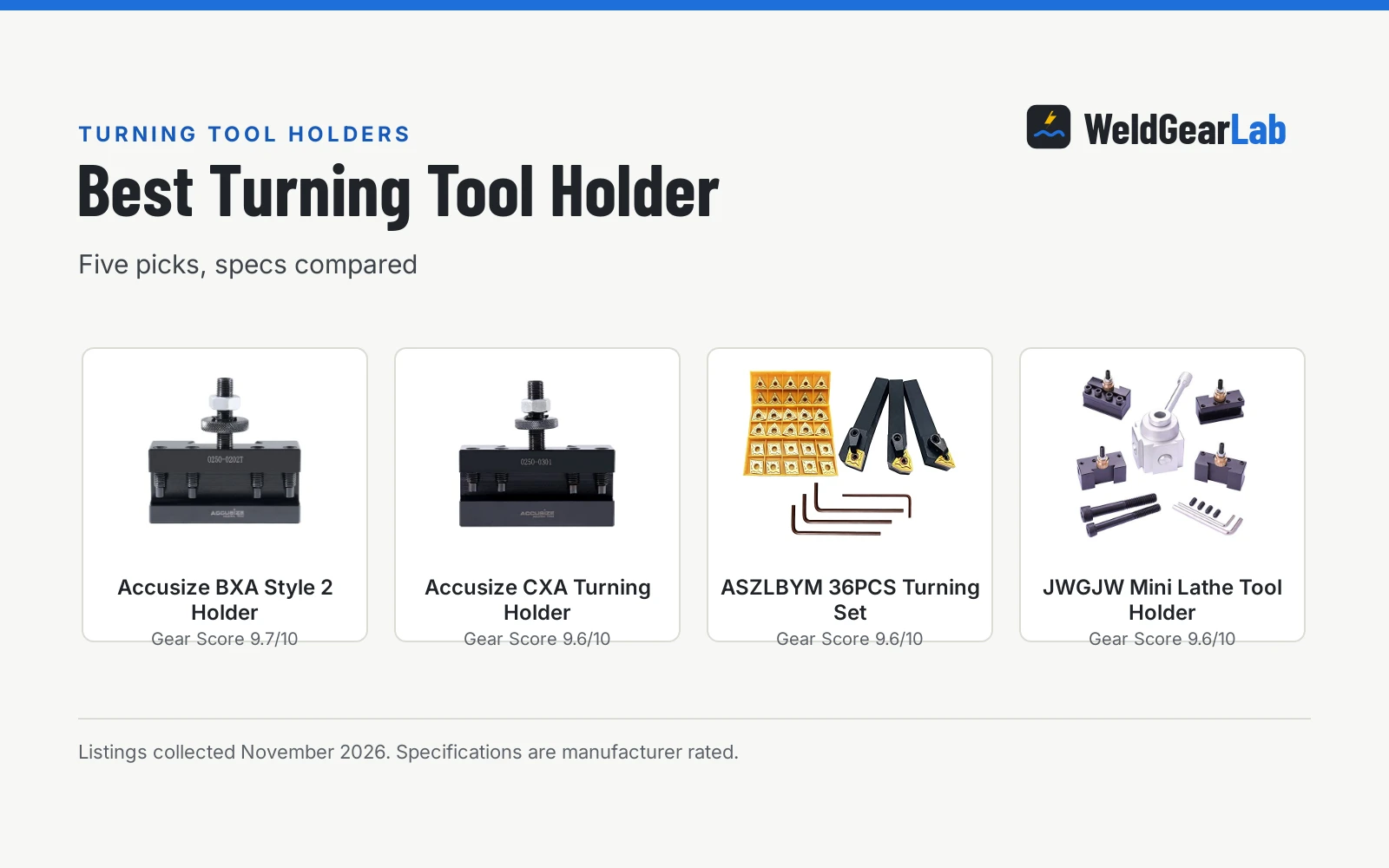
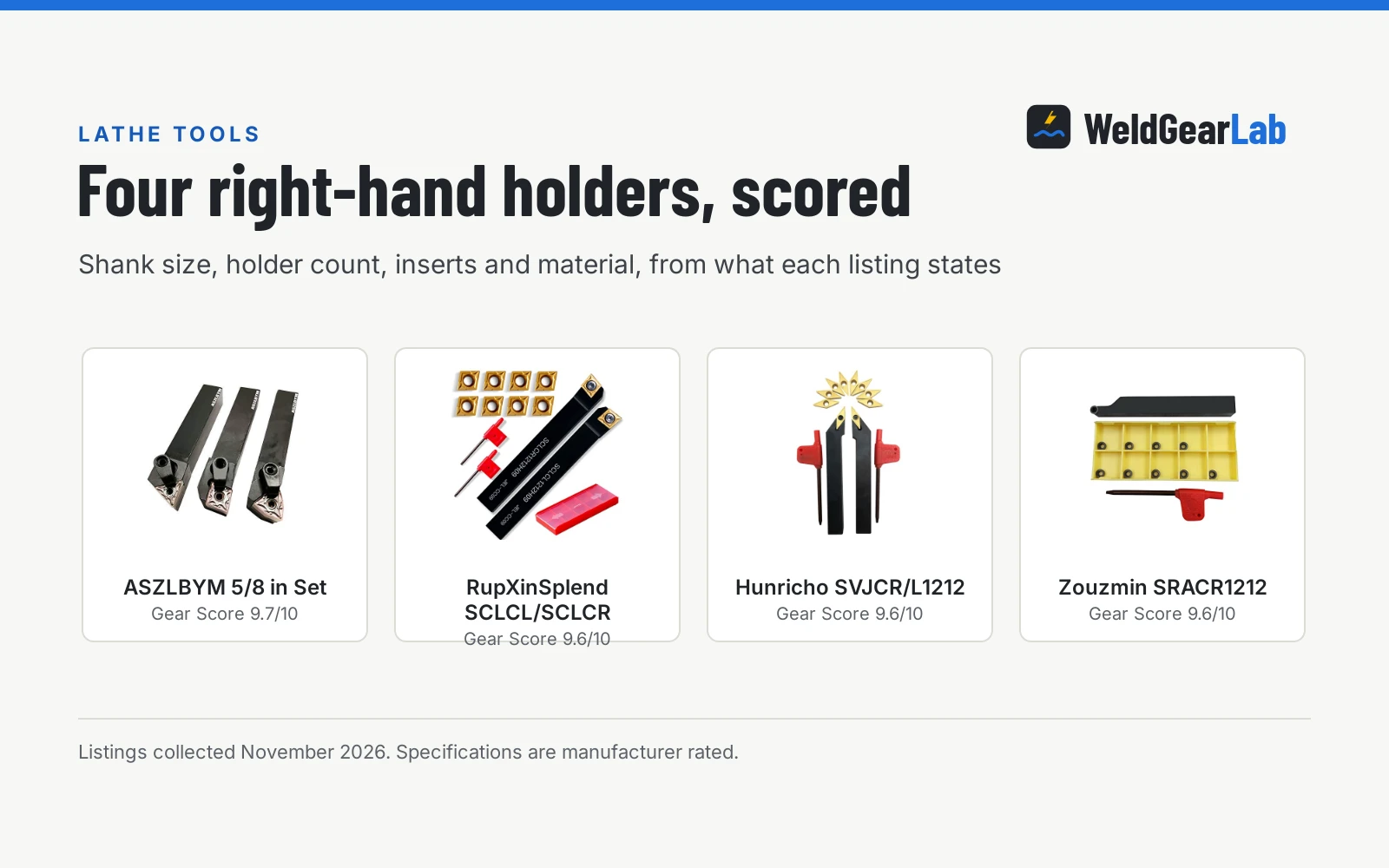
For the lathe side, see our what is lathe machine guide and metal lathe for beginners.
The gear in this guide
The gear below is ranked from the most capable mill to the beginner pick, with the G-code reference last. Every machine here is a mill; no lathe is featured.
- Genmitsu PROVerXL 4030S. A 3-axis desktop CNC milling machine with a 710W spindle, 130mm Z-height, repeatable positioning accuracy of ±0.05 mm and a 32-bit MCU. Movement speeds run from 2000 mm/min to 5000 mm/min, noise stays under 65 dB, and wireless app control works from a smartphone, with the wifi module purchased separately. It measures 30.59 by 30.59 by 23.0 in and states a 1-year warranty.
- LUNYEE 3020 Nova. A CNC router with an 800W spindle, a 6,000 to 30,000 RPM range with six speed settings, 1204 ball screws and HG-15 linear guides on each axis, accuracy of ±0.05mm and a max movement speed of 5000mm/min. It cuts aluminum, brass, wood, acrylic, MDF and plastics, works with GRBL software, and measures 16.1 by 16.1 by 20.4 in. No warranty term is stated.
- Genmitsu CNC 3018-PRO. A compact 3-axis desktop CNC router for beginners, with a 300 x 180 x 45mm working area, GRBL control and an offline controller that runs G-code files without a computer connected. It works in wood, acrylic, PVC, plastic, PCB and soft aluminum, weighs 15.3 lb and states a 1-year warranty.
- CNC G-Code and M-Code Pocket Guide. A shop-floor reference for milling, turning, setup, tool changes, canned cycles, offsets and troubleshooting, sized 8.5 by 0.75 by 11.0 in. It is the pick that covers the turning side of this guide.
How to choose between a mill and a lathe
Match the machine to the parts you make most. Flat parts with holes and pockets point to a mill; round shafts and bushings point to a lathe. Check the working area first: the 3018-PRO gives a 300 x 180 x 45mm working area, while the 4030S gives a 130mm pass height for taller work. Check spindle power and speed next: the Nova runs an 800W spindle from 6,000 to 30,000 RPM, and the 4030S runs a 710W spindle. Check control last: the 3018-PRO runs GRBL with an offline controller, the Nova works with GRBL software, and the 4030S adds wireless app control. See our best CNC machine for metal work and CNC mill types guides before ordering.
Can one machine do both?
A mill and a lathe do different jobs, and one machine rarely covers both well. A mill can cut round profiles and holes, and a lathe with live tooling can mill small features, but the direct route is one machine per shape: a mill for flat work and a lathe for round work. For a home shop starting with flat parts, the mill comes first, since flat parts with holes cover more jobs.
Machine guarding and chips. Mills and lathes throw chips and spin cutters at speed. Wear eye and face protection, clamp the work solid, keep guards in place, and keep gloves away from rotating parts. See the OSHA machine guarding guidance and our Safety Disclaimer.
FAQ for welders
What does a CNC milling machine do?
It cuts material with a spinning cutter while the work stays clamped, making flat faces, pockets, slots and holes. The mills in this guide cut wood and acrylic, and the 3018-PRO and 3020 Nova also list PCB and aluminum.
How does a CNC milling machine work?
G-code tells the machine where to move the cutter and how fast to spin it. The 3018-PRO runs G-code through GRBL control or its offline controller, and the 3020 Nova works with GRBL software such as UGS, Fusion 360, Easel and Candle.
What does CNC stand for?
Computer Numerical Control. The computer reads the G-code program and moves the machine through the cuts it describes.
Can a CNC mill make round parts?
A mill can cut round profiles and holes, but a part that is round all the way around, like a shaft, is lathe work. For round parts, turning is the direct route; milling suits flat faces, pockets and slots.
Do I need a mill or a lathe first?
Buy the machine that matches the parts you make most. Flat parts with holes and pockets point to a mill like the 4030S or the 3020 Nova; round shafts and bushings point to a lathe. The G-code pocket guide covers both, so it helps either way.
Related: types of CNC machines for the metal shop, CNC machine for beginners, mini lathe vs mini mill, and the lathes and mills hub in our metalworking machines section. Also see our best CNC mill for steel.