Parts of a Cutting Torch: Components Explained
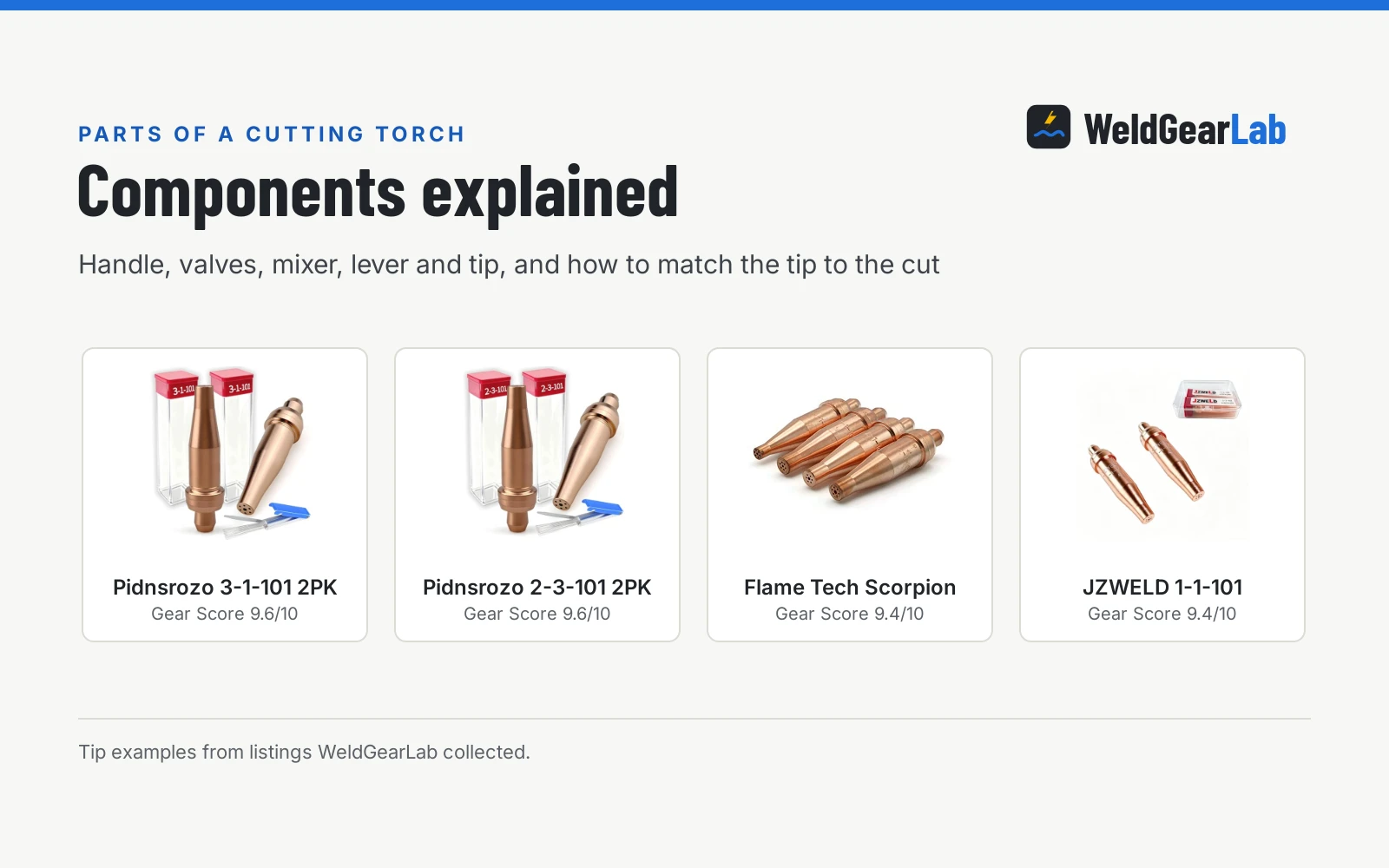
A cutting torch breaks down into a handle, valves, mixer, lever and tip, and the tip size and series decide how the cut behaves.


A cutting torch breaks down into a handle, valves, mixer, lever and tip, and the tip size and series decide how the cut behaves.
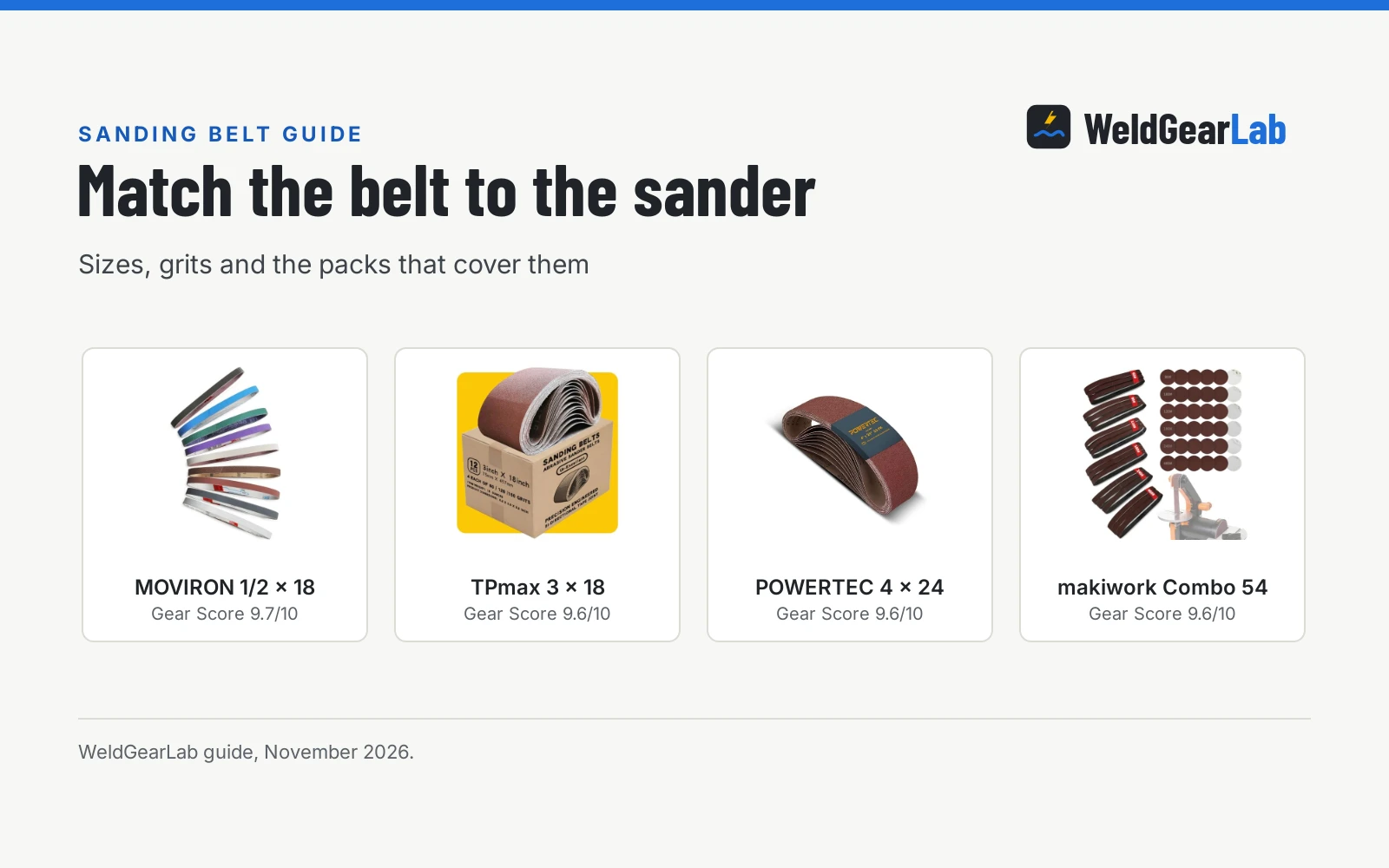
Sanding belt sizes explained by width, length and grit, with 4 packs from 1/2 x 18 inch to 4 x 24 inch belts compared.
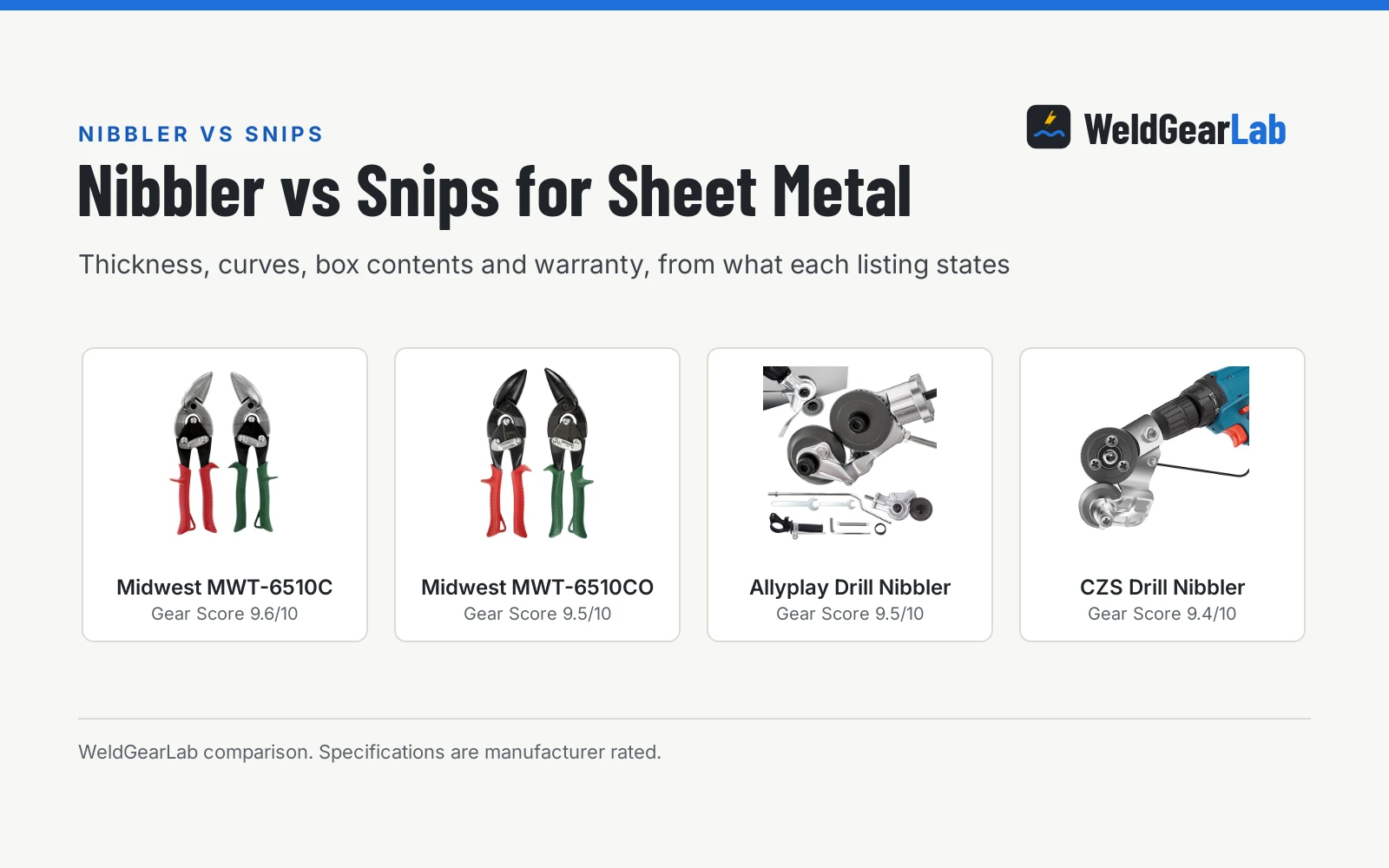
Nibbler vs snips for sheet metal: a drill attachment nibbler against offset aviation snips, compared on thickness, curves, box contents and warranty.
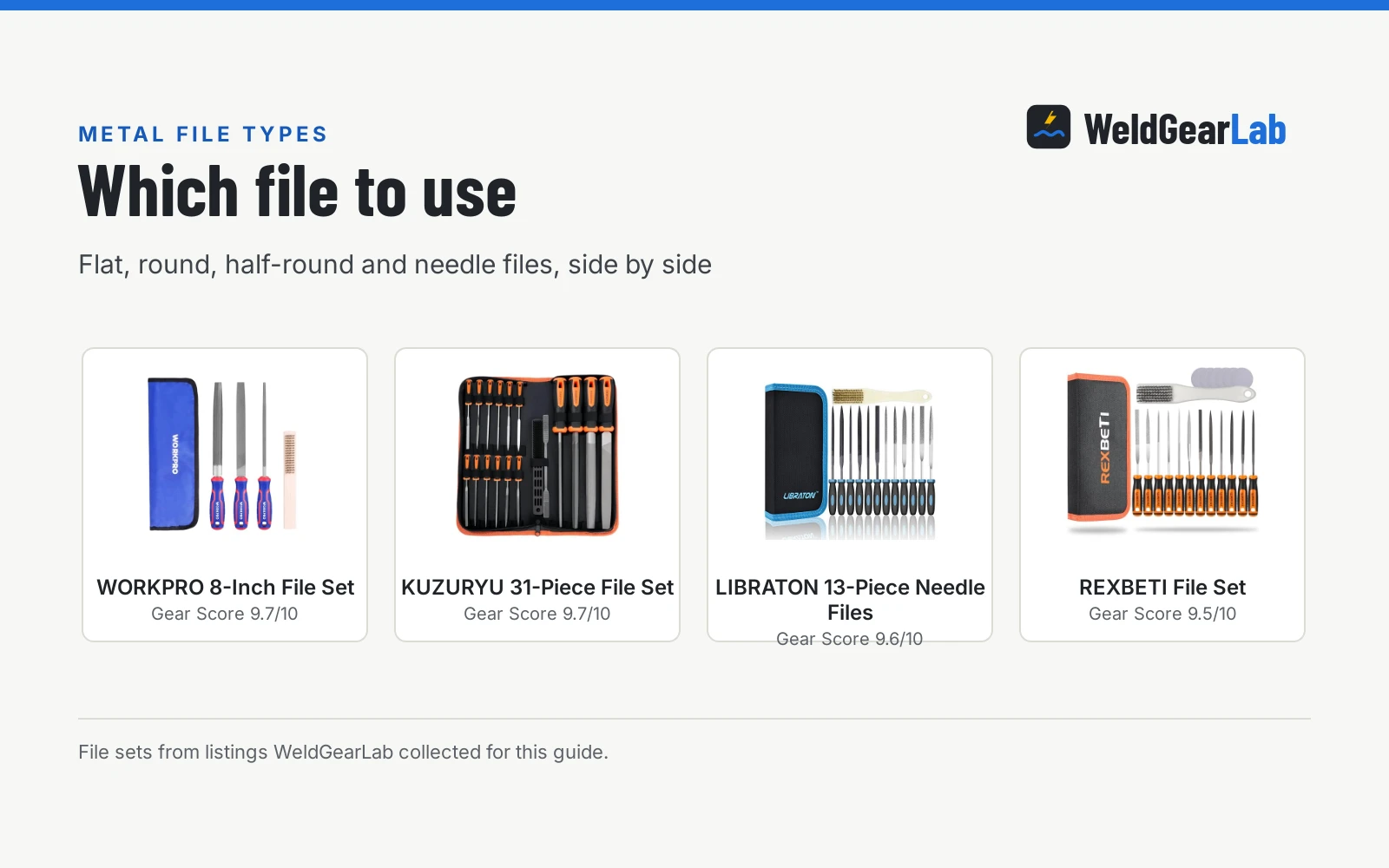
Metal file types run from flat and half-round files for shaping and smoothing to needle files for fine detail, and this guide matches each…
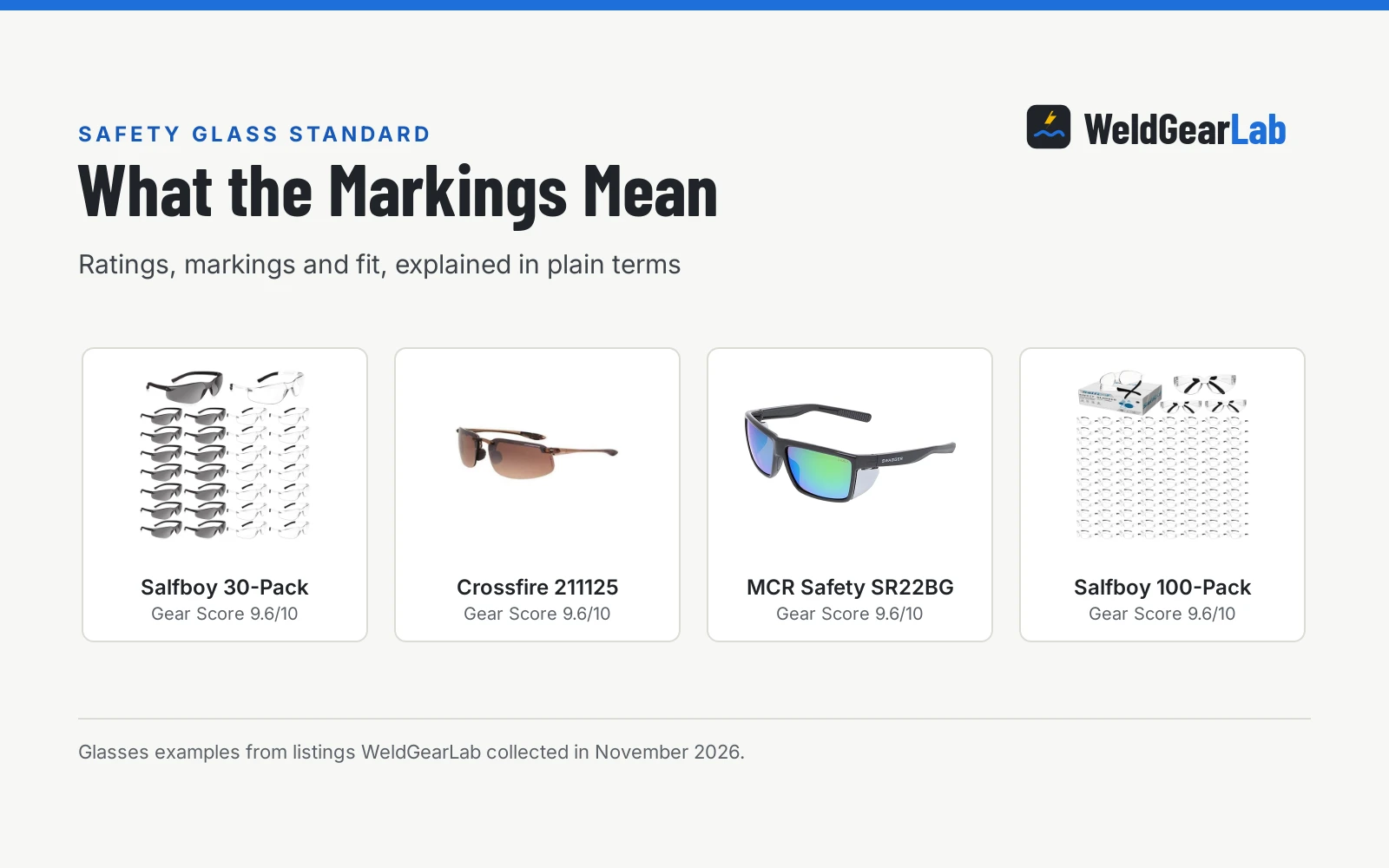
The safety glass standard sets the bar for impact, coverage and markings: what ANSI Z87.1 means, how to read the mark, and which rated…
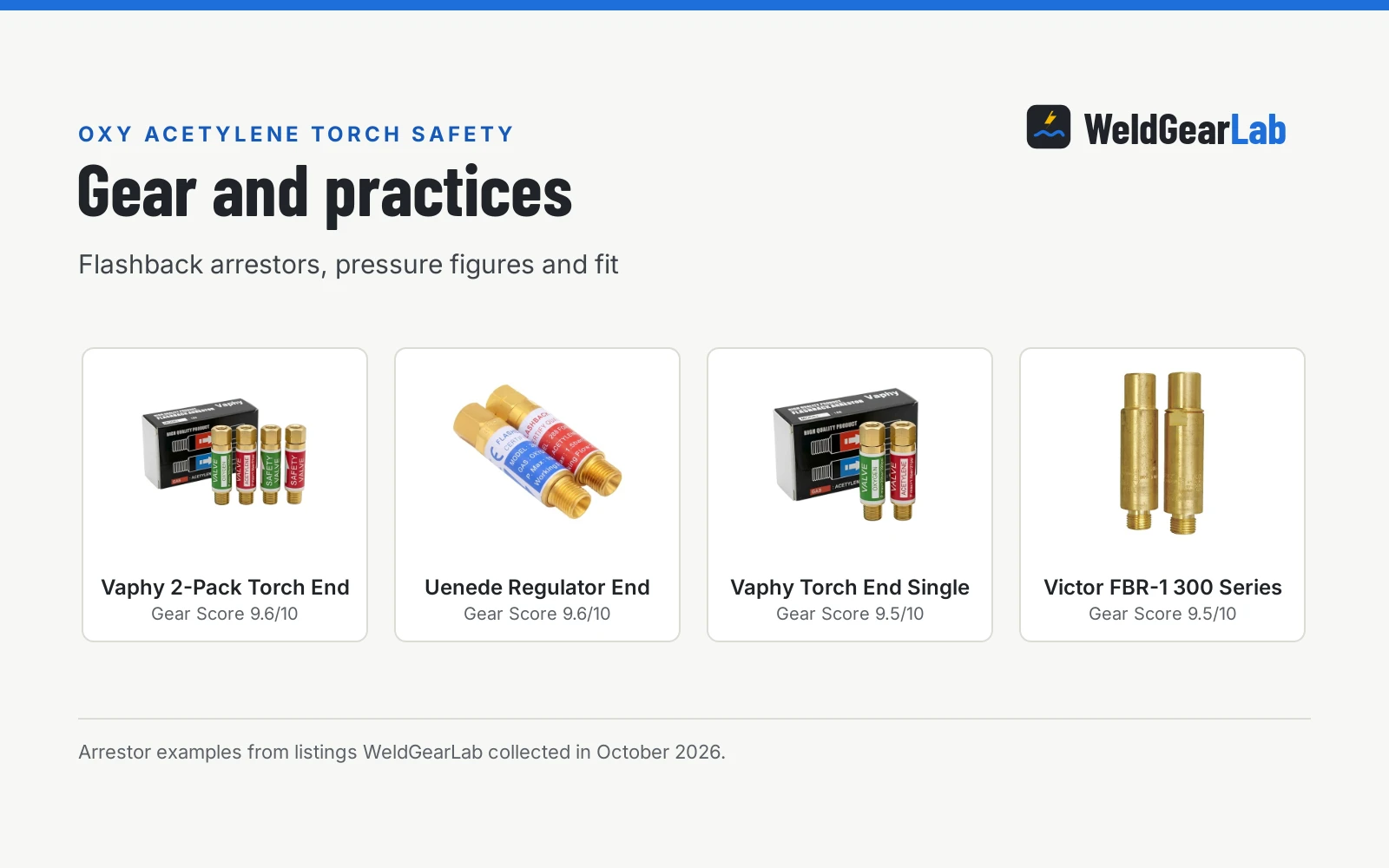
Oxy acetylene torch safety starts with a flashback arrestor on each gas line: torch-end and regulator-end sets compared on pressure figures, threads and fit.
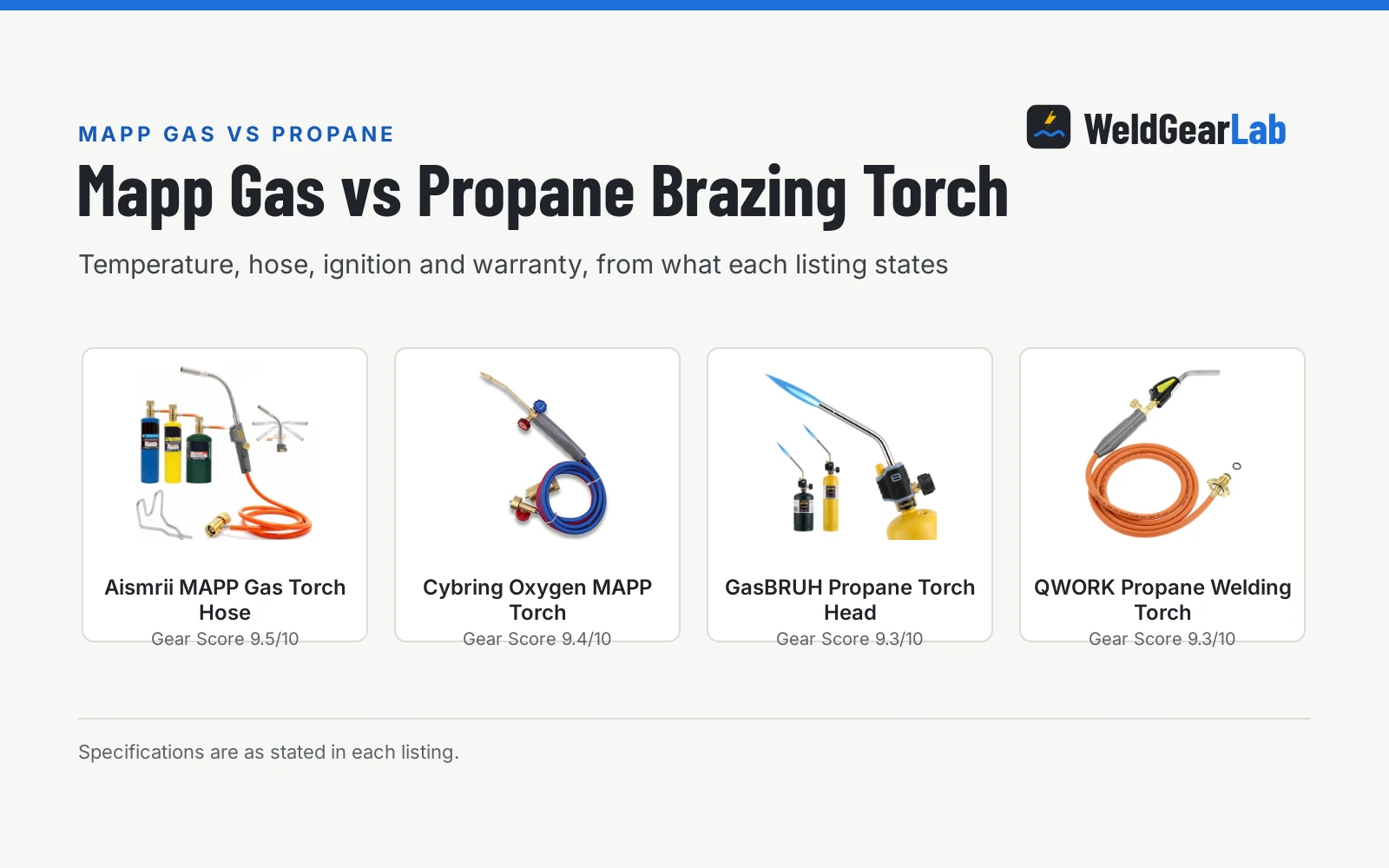
The Aismrii hose torch and the GasBRUH torch head stand for MAPP gas; the QWORK hose torch and the Cybring oxygen torch stand for…
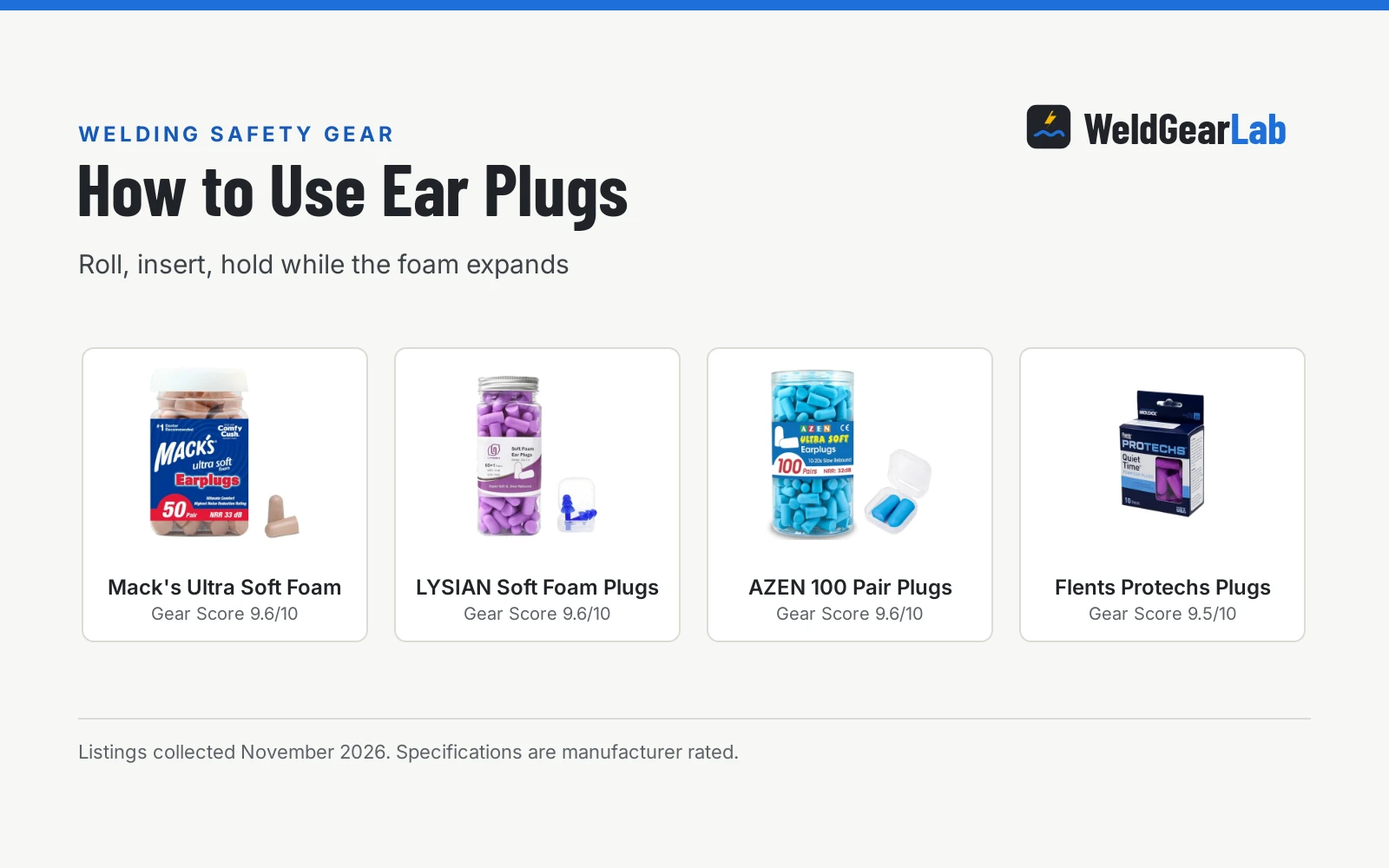
How to use ear plugs for shop noise: roll the plug tight, seat it in the ear canal, and hold it while the foam…
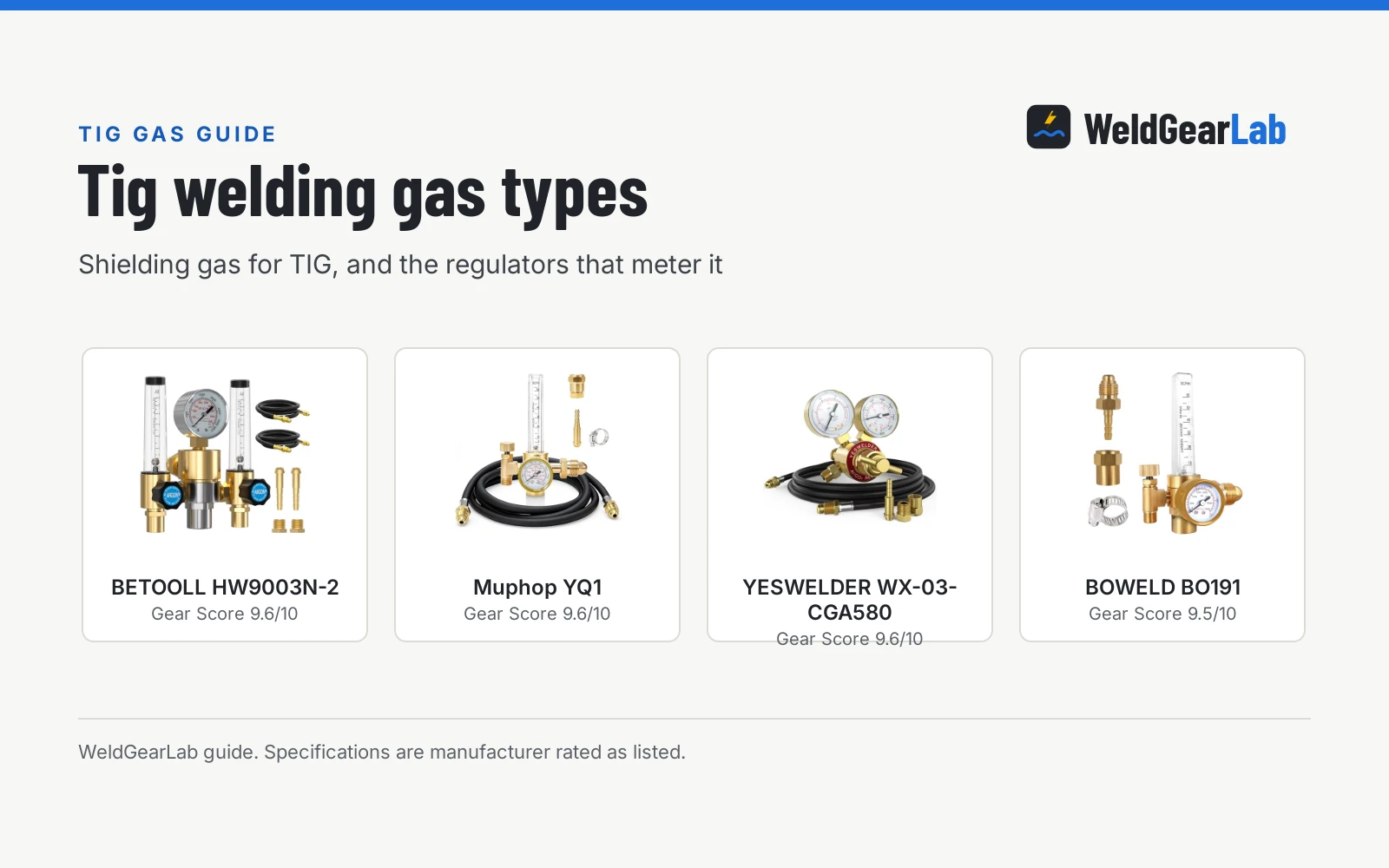
Tig welding gas types come down to argon first, helium for extra heat, and CO2 for MIG only, with CGA-580 regulators metering the gases…
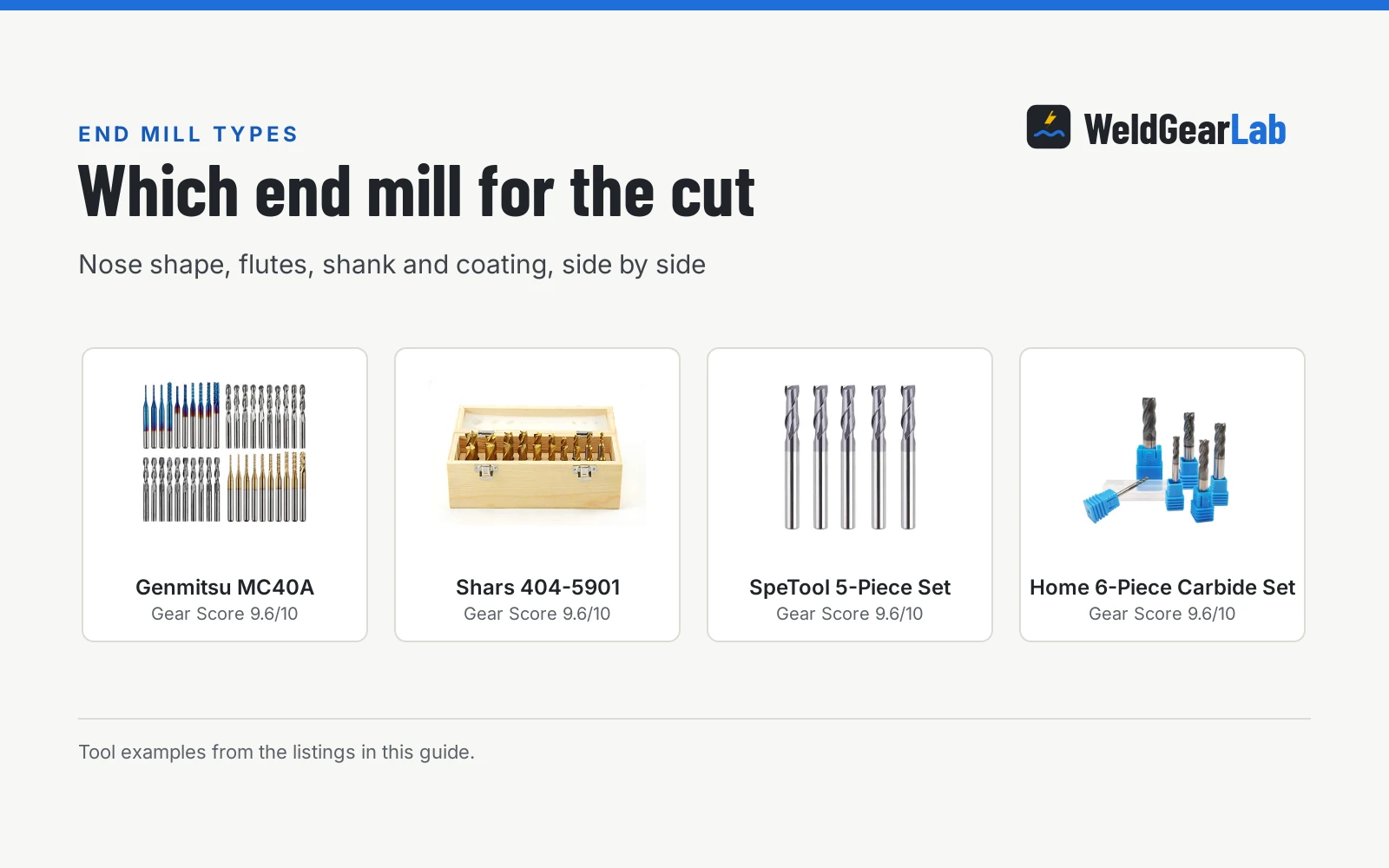
End mill types differ by nose shape, flute count, shank and coating, and the right type follows the cut: flat bottoms, round pockets, or…