7018 vs 7024 Welding Rod: Which One Should You Buy?
7018 vs 7024 welding rod: the all-position low-hydrogen rod against the flat-only high-deposition rod, with diameters, pack sizes and tensile figures from the listings.

On this page
Top picks at a glance
As an Amazon Associate I earn from qualifying purchases.
- 1
 Hobart 7018 Stick Welding Electrode 3/32 in9.5/10View on Amazon
- 2
 Victory Welding Alloys 6010 Welding Rod 5/32" E6010 5/32" 59.6/10View on Amazon
- 3
 ATLASWELDER 7018 Welding Rod 3/32" 10LB9.5/10View on Amazon
- 4
 Forney 30705 E7018 Welding RodView on Amazon
- 5
 Victory Welding Alloys 7018 Welding Rod 1/8" E7018 1/8" 5View on Amazon
- 6
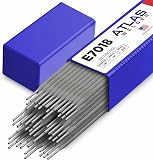 ATLASWELDER 7018 Welding Rod 1/8" 10LBView on Amazon
- 7Victory Welding Alloys 7018 Welding Rod 3/16" E7018 3/16" 5View on Amazon
- 8
 E7018 3/32" 10LB Welding Rod Stick Electrodes Low HydrogenView on Amazon
You need a structural stick rod and the 7018 vs 7024 welding rod question comes down to position. 7018 is the all-position low-hydrogen rod: it welds flat, horizontal, vertical and overhead, and the Hobart listing rates it at 70,000 PSI tensile strength. 7024 is the flat-and-horizontal production rod: its iron powder flux lays metal down fast with easy slag, but it does not run out of position. If your joints go vertical or overhead, buy 7018. If everything you weld is flat and you want speed, 7024 is the faster fill. The rest of this guide compares them with concrete figures from the 7018 listings we reviewed.
Other welders and gear to compare
 Forney 30705 E7018 Welding RodCheck price on Amazon
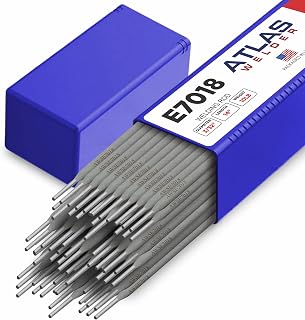 ATLASWELDER 7018 Welding Rod 3/32" 10LBCheck price on Amazon
 Victory Welding Alloys 7018 Welding Rod 1/8" E7018 1/8" 5Check price on Amazon
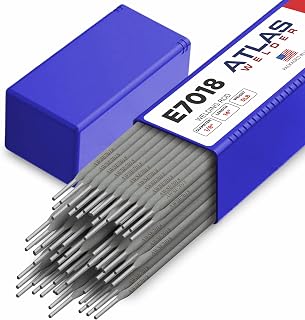 ATLASWELDER 7018 Welding Rod 1/8" 10LBCheck price on Amazon
- Victory Welding Alloys 7018 Welding Rod 3/16" E7018 3/16" 5Check price on Amazon
 E7018 3/32" 10LB Welding Rod Stick Electrodes Low HydrogenCheck price on Amazon
WeldGearLab gets a commission on purchases made through links on this page, and your price stays the same. Read our affiliate disclosure.
7018 vs 7024 Welding Rod: The Core Difference
Per the 7018 listings, 7018 is a 70,000 PSI tensile mild steel electrode that runs on AC and DC. The two rods differ in flux and position. 7018 is a low-hydrogen rod: its coating keeps hydrogen out of the weld, which is what makes it the choice for crack-sensitive steels, thick sections and restrained joints. The Forney listing calls it out for hard to weld steels including thick sections and restrained joints with cracking issues. 7024 is an iron powder rod: its coating is loaded with iron powder that boosts deposition, so it fills flat joints fast and the slag practically falls off. The trade is position: 7018 runs all positions, 7024 runs flat and horizontal only.
Side by Side
| Factor | 7018 | 7024 | Read |
|---|---|---|---|
| Position | All positions (listed) | Flat and horizontal | 7018 for out-of-position |
| Deposition | High deposition efficiency (listed) | High deposition, fast fill | 7024 for flat production |
| Hydrogen | Low hydrogen (listed) | Not stated | 7018 for crack-sensitive steel |
| Diameters | 3/32, 1/8, 5/32 in (listed) | Not stated | Match rod to the joint |
| Pack sizes | 1 to 60 lb (listed) | Not stated | Buy what you will burn |
| AC use | AC and DC+ (listed) | Not stated | Check your machine |
Figures are from the listings reviewed, collected 19 October 2026; a figure from one listing describes that listing only.
When 7018 Is the Better Choice
- Out-of-position work. Vertical and overhead joints need an all-position rod, and every 7018 listing here claims all positions.
- Crack-sensitive steel. Low hydrogen is the point of 7018: the HYW listing names hardenable steels and high sulfur or selenium steels, and Forney names thick sections and restrained joints.
- Structural welds. The Hobart 770479 listing states 70,000 PSI tensile strength on low, medium and high-carbon steels, and the ATLAS WELDER listing pitches structural work with crack resistance.
- Small AC machines. The Hobart 770474 7018AC is formulated for small 208/230 volt AC welders, where standard 7018 can struggle to start.
See our best 7018 welding rod for beginners roundup.
When 7024 Is the Better Choice
- Flat production welding. Long flat fillets and butt joints are where 7024 earns its keep: high deposition, fast travel, minimal cleanup.
- Thick flat plate. The iron powder flux bridges and fills wide flat joints faster than a 7018 of the same diameter.
- Shop throughput. When the position is always flat, deposition rate is money, and 7024 deposits faster.
What the 7018 Listings Tell You
The 7018 listings cover 3/32, 1/8 and 5/32 in diameters in packs from 1 lb to 60 lb: the WISUNO 3/32 in comes in a 1 lb pack, Forney, Blue Demon and the METAL MARLIN rods in 5 lb packs, Hobart, YESWELDER and ATLAS WELDER in 10 lb packs, and the HYW 1/8 in in a 60 lb case of six 10 lb packs. Current runs AC and DC across the listings, with the Forney also rated DC+ and the YESWELDER rated AC or DC reverse polarity. Two listings warn about small machines: the Forney is not recommended for low open-circuit-voltage power sources, and the Hobart 770479 is not recommended for low-voltage AC welders, which is exactly the gap the Hobart 7018AC fills. The METAL MARLIN listings add vacuum sealed and waterproof packaging, worth noting because 7018 hates moisture. One oddity: the Blue Demon spec table lists an item weight of 0.01 ounces against a 5 lb title and bullets; trust the title and bullets there.
Buying Advice: Diameter, Pack Size and Storage
Match diameter to the work. The listings offer 3/32 in for thin material and small machines, 1/8 in as the general-purpose size, and 5/32 in on the YESWELDER for heavier deposition. Rod length runs 14 in on the Blue Demon and METAL MARLIN listings. Buy the diameter your machine feeds well at the amperage you actually use.
Size the pack to your burn rate. A 1 lb WISUNO pack suits a single repair; 5 and 10 lb packs suit steady shop use; the 60 lb HYW case suits production. An opened pack of 7018 starts absorbing moisture the day you open it, so do not buy the big case for a single weekend job.
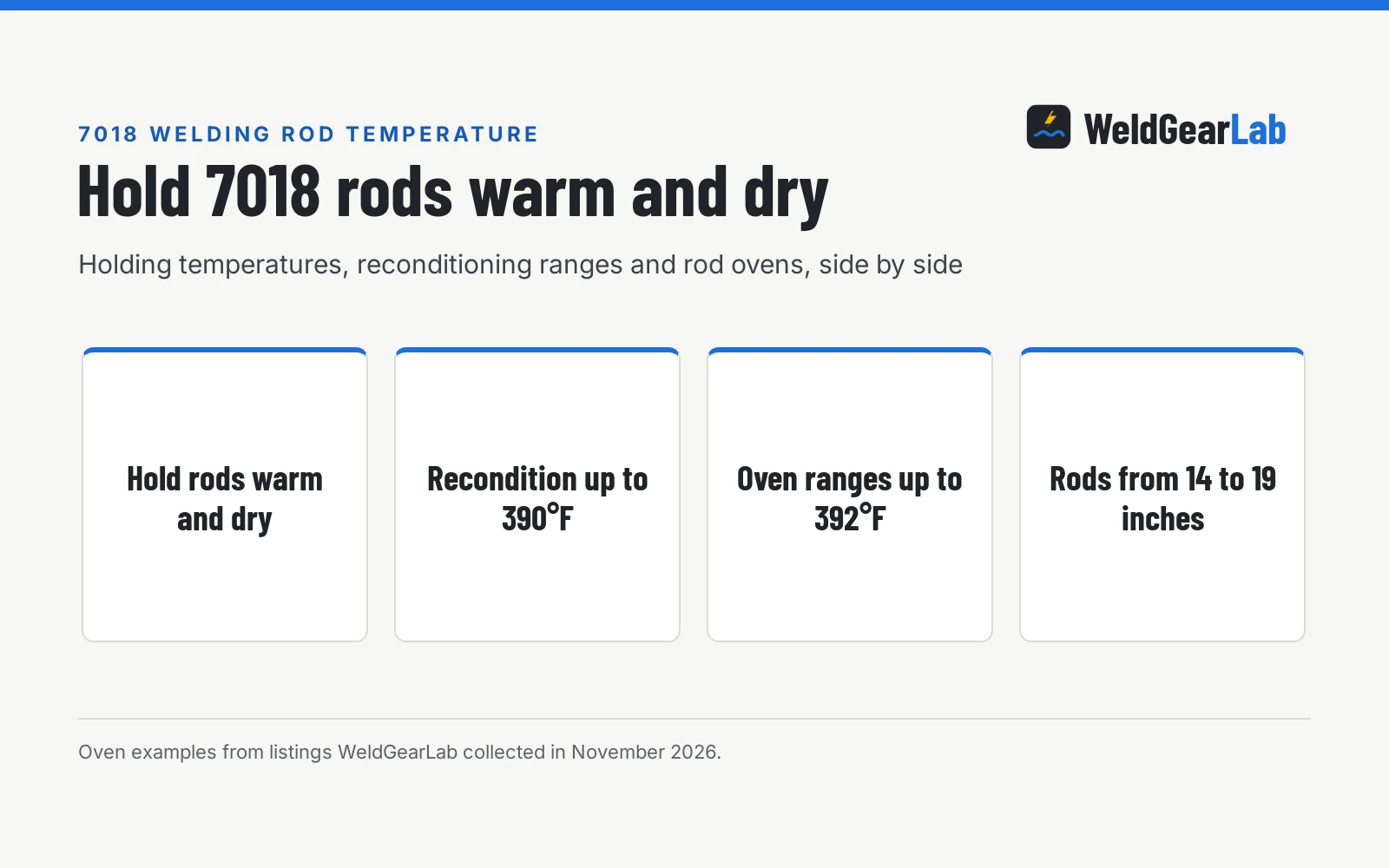
Store 7018 dry. Low-hydrogen rod only stays low-hydrogen if the flux stays dry, which is why the METAL MARLIN vacuum sealed packaging matters and why structural shops keep rod ovens. A damp 7018 welds poorly and can crack; if the pack has sat open in a humid shop, treat it as suspect for anything structural.
Finally, mind the machine. If you run a small 208/230 volt AC welder, the standard 7018 listings warn you off, and the Hobart 7018AC is the listing made for that machine. Check your open-circuit voltage before stocking up. See stick welder vs multi-process welder if the machine itself is still an open question.
FAQ for welders
What is the difference between 7018 and 7024?
7018 is an all-position low-hydrogen rod for structural and crack-sensitive work; 7024 is a flat-and-horizontal iron powder rod for fast, high-deposition fill. The Hobart 7018 listing rates 7018 at 70,000 PSI tensile strength, and 7024 cannot weld vertical or overhead.
Can 7024 weld vertical?
No. 7024 is rated flat and horizontal only; its fluid iron powder puddle will not hold on a vertical joint. For vertical and overhead, use 7018, which every listing here rates for all positions.
Why does 7018 need dry storage?
Its low-hydrogen coating absorbs moisture from the air, and moisture puts hydrogen back into the weld, which causes cracking. The METAL MARLIN listings ship vacuum sealed for this reason. Keep packs sealed until use and store them dry.
What diameter 7018 should I buy?
The listings offer 3/32, 1/8 and 5/32 in. Use 3/32 in for thin material and small machines, 1/8 in for general work, and 5/32 in for heavy deposition. Match the diameter to your machine and joint.
Can I run 7018 on a small AC welder?
Standard 7018 can be hard to start on small AC machines: the Forney and Hobart 770479 listings warn against low-voltage sources. The Hobart 770474 7018AC is formulated for small 208/230 volt AC welders.
Related: best 7018 welding rod for beginners, how many welding rods in a pound and stick welder vs multi-process welder.