3/32 vs 1/8 Welding Rod (2026): Which Size to Pick
How rod diameter, amps and metal thickness decide between 3/32 and 1/8 welding rod, with four 3/32 examples.

On this page
Top picks at a glance
As an Amazon Associate I earn from qualifying purchases.
- 1
 Victory Welding Alloys 6010 Welding Rod 5/32" E6010 5/32" 59.6/10View on Amazon
- 2
 50 lb Steel Can E6010 5/32" Stick electrodes welding rod9.6/10View on Amazon
- 3
 Forney 31105 E6011 Welding Rod9.6/10View on Amazon
- 4
 Forney 31101 E6011 Welding RodView on Amazon
- 5
 Forney 32005 E7014 Welding RodView on Amazon
- 6
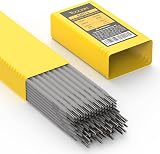 TOOLIOM E6013 Welding Rod Carbon Steel Stick ElectrodesView on Amazon
- 7
 TOOLIOM E6011 Welding Rod Carbon Steel Stick ElectrodesView on Amazon
- 8
 YESWELDER Aluminum TIG Welding Rod ER4043 3/32"x16" 5LB 5%View on Amazon
- 9Victory Welding Alloys 6010 Welding Rod 3/32" E6010 3/32" 5View on Amazon
3/32 vs 1/8 welding rod comes down to metal thickness and amps. The 3/32 rod is the thinner rod: it runs at lower amps and suits thinner metal, where a big rod would burn through. The 1/8 rod is the thicker rod: it runs at higher amps, deposits more metal per pass and suits thicker stock. Pick the rod that matches the metal thickness, not the welder’s maximum. This guide explains the difference for home and farm stick welding, with four 3/32 rod examples from current listings as the gear section.
Other welders and gear to compare
 Forney 31101 E6011 Welding RodCheck price on Amazon
 Forney 32005 E7014 Welding RodCheck price on Amazon
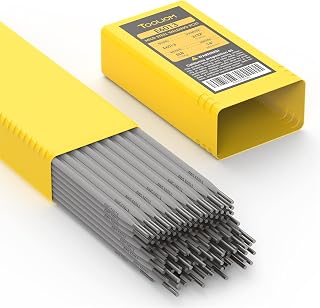 TOOLIOM E6013 Welding Rod Carbon Steel Stick ElectrodesCheck price on Amazon
 TOOLIOM E6011 Welding Rod Carbon Steel Stick ElectrodesCheck price on Amazon
 YESWELDER Aluminum TIG Welding Rod ER4043 3/32"x16" 5LB 5%Check price on Amazon
 Victory Welding Alloys 6010 Welding Rod 3/32" E6010 3/32" 5Check price on Amazon
This guide links to our product roundups, where WeldGearLab gets a commission on purchases made through links on this page, and your price stays the same. Read our affiliate disclosure.
3/32 vs 1/8 welding rod: the difference in one paragraph
A stick electrode’s diameter sets how much metal it deposits and how many amps it needs. The 3/32 rod is the thinner of the two common small sizes: the TOOLIOM example in the gear section states 40 to 80 amps, and the YesRight example states a weldable thickness of 2.5 to 4.0 mm. The 1/8 rod is one size up: thicker, hungrier for amps and better on thicker joints. None of the four gear examples is a 1/8 rod, so the 1/8 side is described from the question and from what the listings imply, while every number below comes from a 3/32 listing.
Side by side
| 3/32 in rod | 1/8 in rod | Notes | |
|---|---|---|---|
| Diameter | 3/32 in | 1/8 in | 1/8 is the thicker rod |
| Amps, stated example | 40 to 80A (TOOLIOM) | Not in the gear examples | Check a 1/8 listing before buying |
| Metal thickness, stated example | 2.5 to 4.0 mm (YesRight) | Not in the gear examples | Gear examples are all 3/32 |
| Positions | All-position stated by Forney 31101, Forney 32005, YesRight and TOOLIOM | Not in the gear examples | Check the 1/8 listing |
| Pack sizes in gear examples | 1 lb, 5 lb | Not in the gear examples | Buy what gets used before it gets damp |
When 3/32 is the better choice
Choose 3/32 for thin metal and light repair. The YesRight example states a weldable thickness of 2.5 to 4.0 mm. The TOOLIOM example states 40 to 80 amps, a range that small stick welders can reach, and describes itself as suited to intermittent welding of thin metal plates and sheet metal. All four gear examples state all-position welding, so 3/32 also covers vertical and overhead work on thin stock where a heavy rod would sag or burn through. If the metal is thin enough to warp, the thinner rod suits thin stock.
When 1/8 is the better choice
Choose 1/8 for thicker metal and heavier joints. A thicker rod carries more amps and deposits more metal per pass, so it fills a wider joint in fewer passes than a 3/32 rod. The trade is heat: 1/8 needs a welder with the amps to run it and metal thick enough to take that heat without burning through. No 1/8 example is in the gear section below, so check a 1/8 listing for its stated amp range and thickness before buying.
Amps and the machine you own
The rod size must fit the welder, not just the metal. The TOOLIOM 3/32 example states 40 to 80 amps: check that the welder’s stated output range covers the rod’s stated range before buying. A small inverter that tops out low will struggle with 1/8 even if the metal wants it, so check that the welder covers the rod’s stated range. The Forney 31101 example states dependable AC operation and DC+ as well, while the TOOLIOM states AC and DC dual use: match the rod’s stated current type to what the machine puts out. When in doubt, the thinner rod at the machine’s comfortable middle range beats the thicker rod at the machine’s ragged edge.
Rod type matters as much as size
Diameter is only half the choice; the flux coating decides penetration and cleanup. The Forney 31101 is an E6011 example: the listing describes deep penetration and fast freezing on dirty, rusty and painted materials, with minimal surface preparation. The Forney 32005 is an E7014 example: the listing describes a smooth arc and high strength, good for joints needing deep penetration such as square edge butt welds. The TOOLIOM is an E6013 example: the listing describes a soft stable arc, seldom producing smoke or spatter, with easy arc re-strike, aimed at general purpose work on mild steel. The YesRight is a J422 carbon steel example with a stated tensile strength of 430 to 560 MPa. Match the coating to the metal condition: rusty farm steel wants the forgiving rod, clean new steel takes the smooth one.
Gear examples: four 3/32 rods from current listings
The Forney 31101 is an E6011 3/32 in rod in a 1-pound pack. The listing describes all-position welding with deep penetration on dirty, rusty and painted materials, dependable AC operation with DC+ also stated, and a 90 day warranty against manufacturer defects. It is the example for repair work on less-than-clean steel.
The Forney 32005 is an E7014 3/32 in rod in a 5-pound pack. The listing describes easy all-position welding with a digging arc and deep penetration, good for square edge butt welds and vertical and overhead work with light slag, plus a 90 day warranty against manufacturer defects. It is the example for joints that need strength in position.
The YesRight J422 is a 3/32 in carbon steel rod in a 1-pound sealed plastic tube with 25 sticks. The listing states a weldable thickness of 2.5 to 4.0 mm, a tensile strength of 430 to 560 MPa, all-position welding, stable arc with small spatter and easy slag removal. Storage guidance is stated: keep the rods cool, dry and ventilated, and if an electrode gets wet, bake it at 150 to 170 C for 0.5 to 1 hour before use. It is the example for thin metal with a stated thickness range.
The TOOLIOM E6013 is a 3/32 in rod in a 5-pound pack, 14 in long. The listing states 40 to 80 amps, AC and DC dual use, all-position welding of medium to shallow depths, a soft stable arc that seldom produces smoke or spatter, and easy arc re-strike. It is the example for general purpose mild steel work at modest amps.
Storage and handling
Stick rods are the consumable, so storage is part of the cost. The YesRight listing states the practical rules: sealed tube packaging for long-term storage, a cool dry ventilated place, and a bake at 150 to 170 C for 0.5 to 1 hour if a rod gets wet. Wet rods weld badly whatever the size, so the pack size matters too: the 1-pound packs suit occasional repair, the 5-pound packs suit a busy home shop. Buy the pack that gets used before it gets damp.
FAQ for welders
Can a small welder run 1/8 rod?
Only if the machine’s stated output covers the rod’s stated amp range. The TOOLIOM 3/32 example states 40 to 80 amps, which small machines reach comfortably; 1/8 wants more. Check both listings before buying.
Which size for thin sheet metal?
3/32. The YesRight example states a weldable thickness of 2.5 to 4.0 mm, and the TOOLIOM example is stated for thin metal plates and sheet metal. A 1/8 rod puts more heat into thin sheet than a 3/32 rod.
Does rod type matter more than diameter?
They answer different questions: diameter sets amps and deposition, the coating sets penetration and cleanup. The E6011 example is stated for dirty and rusty steel, the E6013 for smooth general purpose work, the E7014 for strength in position.
How should I store stick rods?
Cool, dry and ventilated, in the sealed tube they came in. The YesRight listing states that a wet electrode should be baked at 150 to 170 C for 0.5 to 1 hour before use.
Related: 6013 welding rod for beginners and all around stick welding rod.