Tube Cutter Parts and What Each One Does
A tube cutter is a small set of parts that work together, and knowing what each part does makes it easy to swap the worn part instead of buying a whole new tool.

On this page
Top picks at a glance
As an Amazon Associate I earn from qualifying purchases.
- 1
 Ridgid9.8/10View on Amazon
- 2
 Ridgid 31642 model 152 Quick-Acting Tubing Cutter9.7/10View on Amazon
- 3
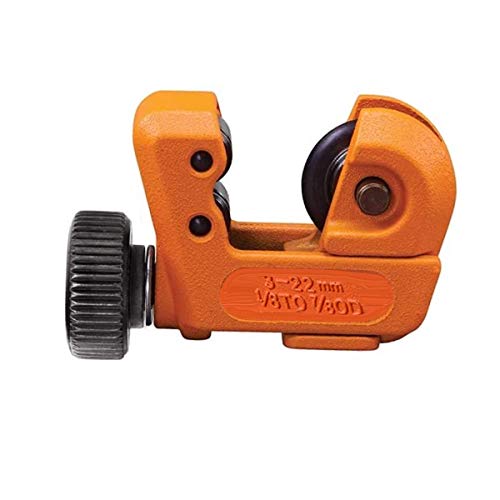 Edward Tools Harden Pro Mini Pipe Cutter 1/8” to 7/8”9.7/10View on Amazon
A copper line needs a short piece cut out and a fresh joint put in, and the cutter that used to leave a clean edge now drags, wanders and leaves a burr. The tool is not worn out. Tube cutter parts wear at different rates, and the cutting wheel usually goes dull while the frame, rollers and feed screw still have plenty of life left. This guide names each part, explains what it does, and shows how to match a replacement wheel so the cutter cuts clean again.
This guide links to our product roundups, where WeldGearLab gets a commission on purchases made through links on this page, and your price stays the same. Read our affiliate disclosure.
Tube cutter parts and what each one does
A tube cutter is a small frame with a cutting wheel on one side and rollers on the other, plus a feed screw that moves the wheel into the tube. Turn the cutter around the tube and tighten the screw a little after each pass, and the wheel scores a line around the wall until the tube parts. Each part has its own job, and a worn part shows up as a bad cut long before the tool itself is done.
A wheel that fits one cutter may not fit another, so match the part to the cutter before ordering, not after.
Side by side
| Part | What it does | What wears | Before ordering, check |
|---|---|---|---|
| Cutting wheel | Scores and cuts the tube wall as the cutter turns | Edge dulls and chips with use | Outside diameter, thickness and hole size, such as 0.71 inch, 0.24 inch and 0.2 inch |
| Rollers | Support the tube and let it turn smoothly | Flat spots and rough marks from grit | Roller size and spacing on the frame |
| Feed screw and handle | Presses the wheel into the tube a little at a time | Threads wear and the handle loosens | Thread size and handle fit |
| Frame and axle pin | Holds the wheel, rollers and screw in line | Bent frame and worn pin let the wheel wander | Model number stamped on the frame |
| Spare wheel storage | Keeps a spare wheel on the tool | Lost spares and loose storage screws | Whether the frame has a storage spot |
The table above is a map, not a shopping list. Start with the part that matches the symptom: a dull wheel leaves a rough edge, worn rollers let the tube wobble, and a loose feed screw makes the pressure uneven.
The cutting wheel
The wheel is a sharp steel disc that does the cutting. It sits on an axle pin in the frame and turns as the cutter turns around the tube, pressing a score line into the wall with each pass. The maker lists the wheel as a precision machined part made from high grade steel, and the ElaraBerry listing describes its wheel as wear resistant steel that resists chipping.
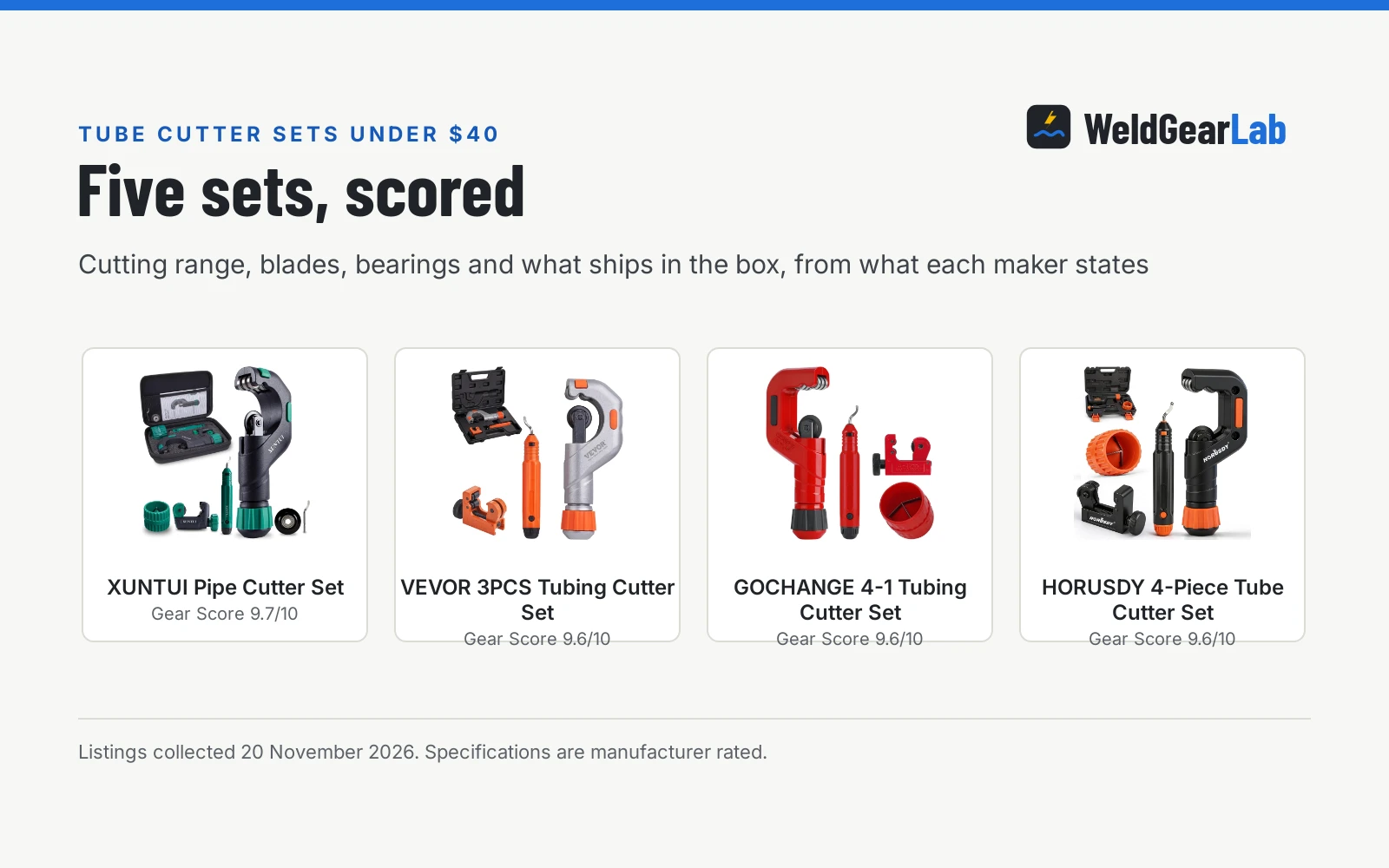
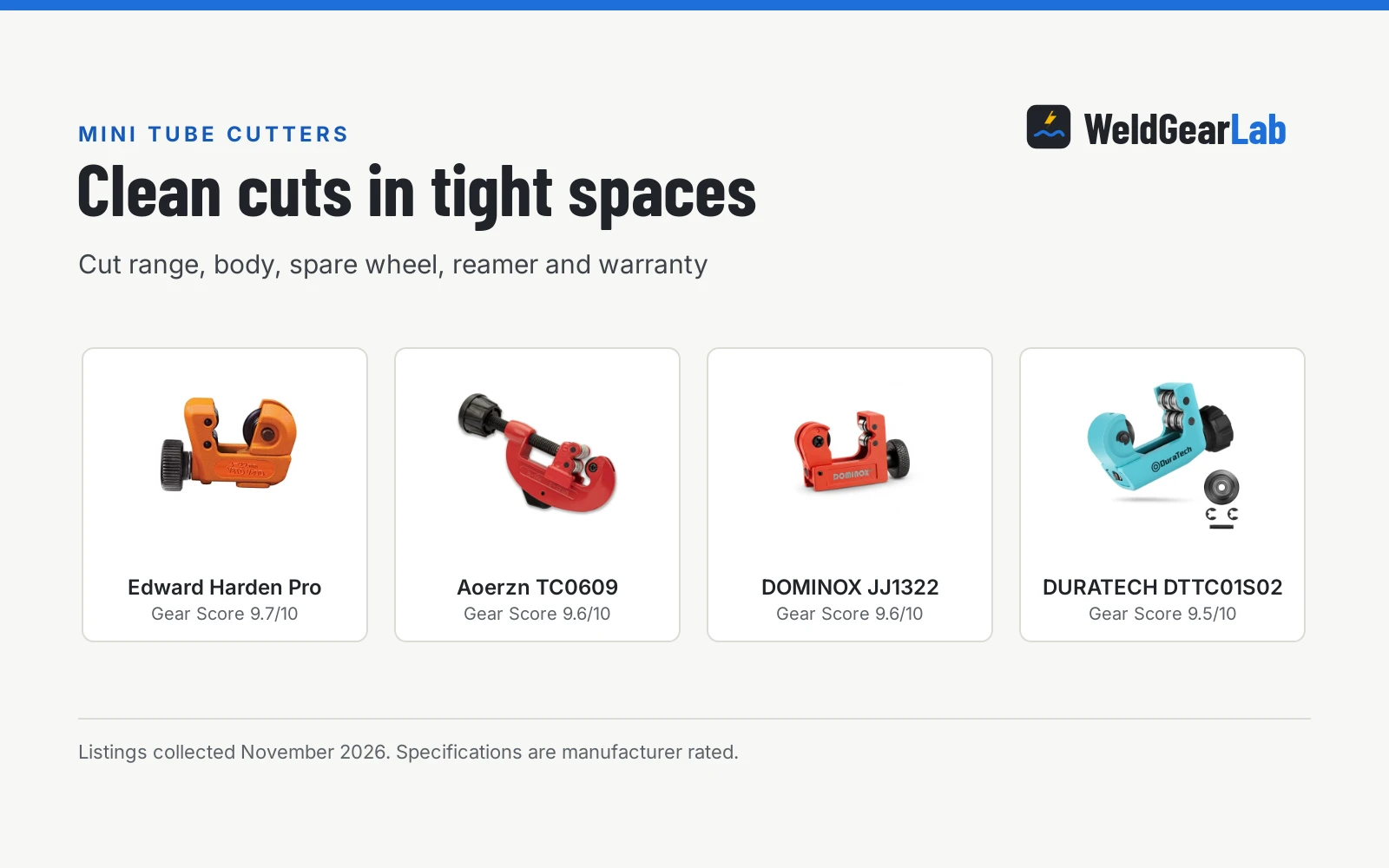
Wheel size matters more than brand. The ElaraBerry listing gives its wheel as 0.71 inch outside diameter, 0.24 inch thick, with a 0.2 inch hole. Check those figures against the wheel that came out of the cutter. Chironal lists a 3x18mm blade in a 10 pack for copper, steel, iron, plastic and aluminum tube, while RIDGID lists a 2 pack of replacement wheels and ElaraBerry lists a 16 pack. See the best mini tube cutter guide for small cutters.
Rollers, feed screw and frame
Rollers sit opposite the wheel and carry the tube while the cutter turns. They do not cut, so they last longer than the wheel, but grit on the tube can mark them and a flat spot will let the tube wobble. Wipe the tube clean before cutting and keep the rollers free of grit.
The feed screw moves the wheel into the tube. Turn the handle to advance the screw, then turn the cutter around the tube and advance the screw again. Forcing the screw with a hard turn can chip the edge or deform the tube, so let the wheel score the line a pass at a time. The frame holds the wheel, rollers and screw in line: a bent frame lets the wheel wander off the score line, and a worn axle pin lets the wheel wobble.
How to match a replacement wheel to a cutter
Start with the model number on the cutter. The RIDGID listing states that its E-3469 wheel, part number 41317, fits models 101, 103, 104, 117, 118, 150, 151, 152, 153 and 205. The KOLEOLL listing states the same fit list and the same part number, 41317, and the ElaraBerry listing states the same fit list, so a wheel made for that fit list will suit any cutter on it.
Then check the wheel size. The ElaraBerry listing gives 0.71 inch outside diameter, 0.24 inch thickness and a 0.2 inch hole. Measure the old wheel with calipers and compare the figures, since a wheel that looks right can still have the wrong hole size. RIDGID covers its products with a lifetime warranty against defects in material or workmanship for the life of the tool. KOLEOLL states that questions are answered within 24 hours, which helps when the fit list leaves doubt.
When a part needs replacing
A wheel needs replacing when the cut leaves a heavy burr, the score line wanders, or the cutter needs far more pressure than it used to. A chipped edge will mark the tube instead of scoring it, and no amount of tightening will fix a dull wheel. Rollers need replacing when the tube wobbles on them or the cut tracks off line, and the feed screw needs attention when the handle turns without moving the wheel. The frame needs replacing when it is bent or the axle pin is loose, since a bent frame throws every cut off line.
FAQ for welders
How do I know which replacement wheel fits my tube cutter?
Check the model number on the cutter against the fit list on the wheel listing. The RIDGID E-3469 wheel (on Amazon), part number 41317, fits models 101, 103, 104, 117, 118, 150, 151, 152, 153 and 205. Then check the wheel size, since the ElaraBerry listing gives 0.71 inch outside diameter, 0.24 inch thickness and a 0.2 inch hole.
How long does a tube cutter wheel last?
It lasts until the edge dulls or chips, which shows up as a rough cut, a wandering score line, or extra pressure on the feed screw. Heavy use on steel wears an edge faster than occasional use on copper. Keep a spare wheel on hand and swap it when the cut quality drops.
Can a tube cutter wheel cut steel pipe?
A wheel made for steel can cut thin steel tube, and the ElaraBerry listing states its wheel cuts copper, aluminum, thin steel and plastic tubes. The Chironal listing states its blades cut copper, steel, iron, plastic and aluminum tube. Check the listing for the metals it names before cutting.
What is the difference between a cutting wheel and a roller?
The wheel is the sharp disc that scores and cuts the tube wall, while the rollers are smooth wheels that support the tube and let it turn. The wheel wears out and gets replaced, while the rollers last longer because they never cut. If the cut wanders, check the wheel first, then the rollers for flat spots.
Do I need to replace the whole tube cutter when the wheel wears out?
No. The wheel is a replaceable part, and listings sell it on its own in a 2 pack, a 10 pack and a 16 pack. Swap the worn wheel for a fresh one that matches the model list and size, and the cutter will cut clean again. Replace the whole cutter only when the frame is bent or the feed screw is worn beyond use.
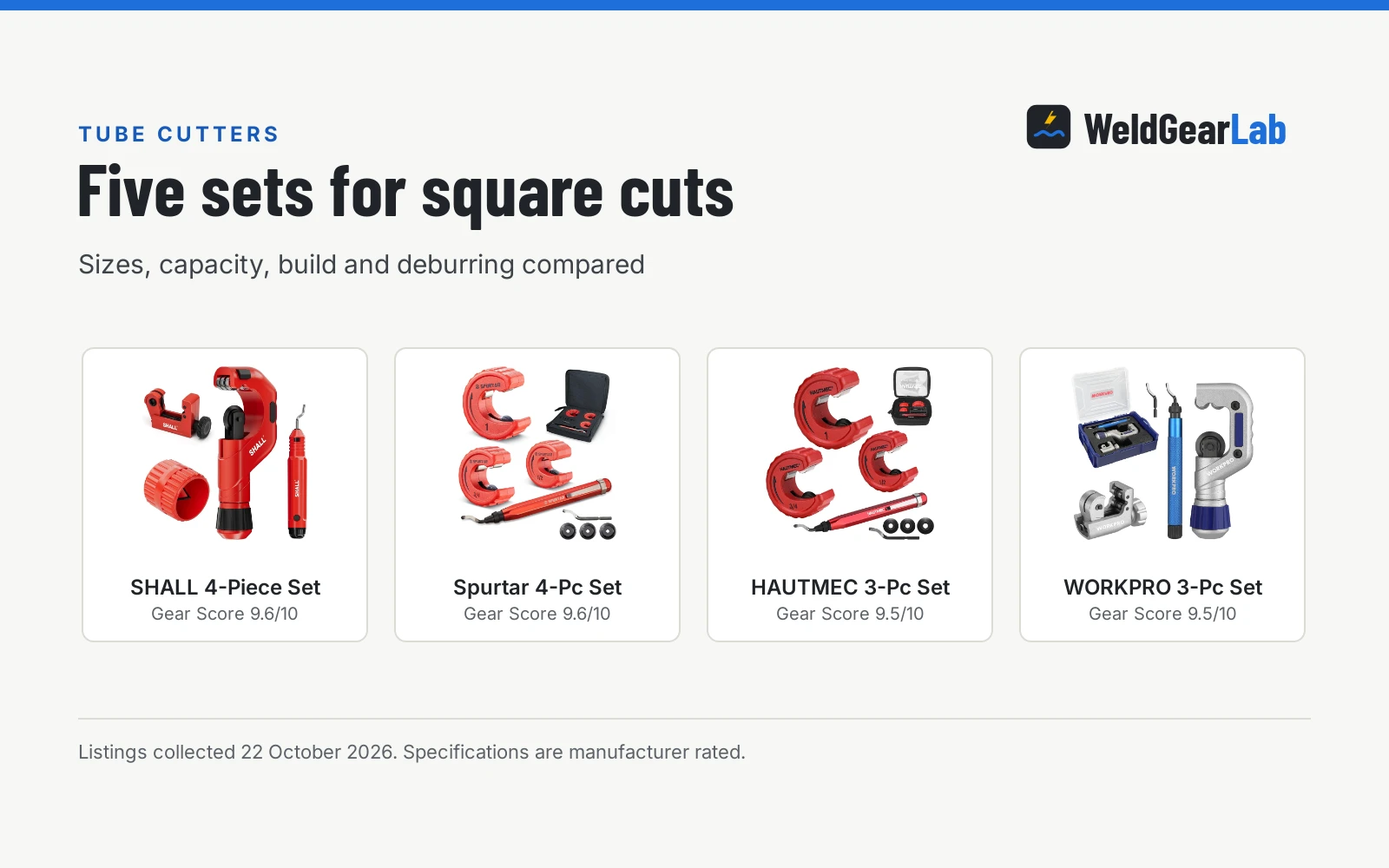
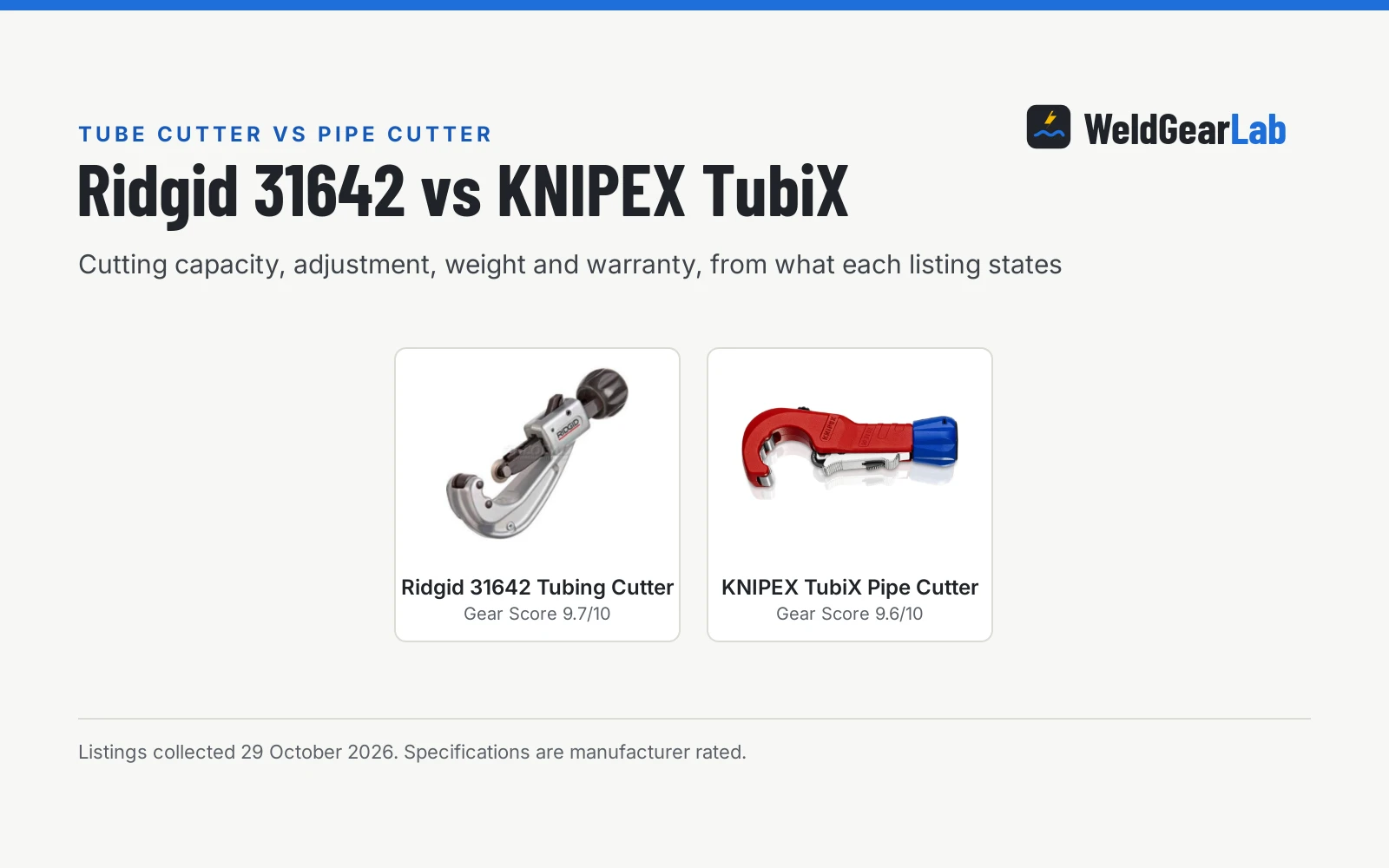
Related: tube cutter vs pipe cutter, best tube cutter for aluminum, best mini tube cutter, best tube cutter set, and the metal fab tools hub. Also see the best large tube cutter guide.