Propane vs Acetylene Cutting Torch: Which One Should You Buy?
Propane vs acetylene cutting torch compared: a Victor-type cutting outfit against a propane heating torch, from what each listing states.

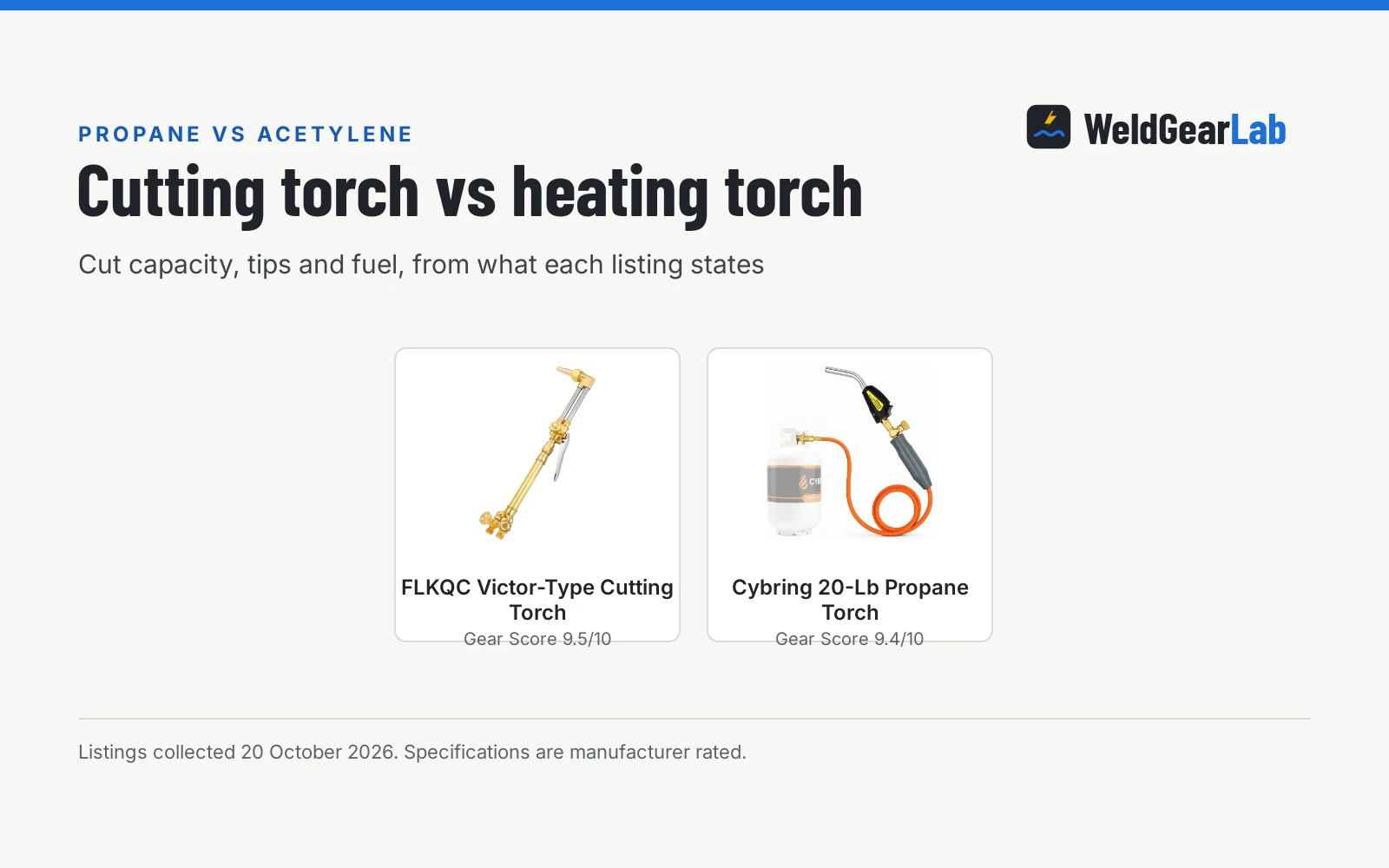
On this page
Top picks at a glance
As an Amazon Associate I earn from qualifying purchases.
- 1
 Victor Type Cutting Attachment Torch Handle9.5/10View on Amazon
- 2
 Welding Torch Fueled By 20 lb Propane With Type 19.4/10View on Amazon
Verdict. For cutting steel, pick the acetylene setup: the FLKQC example is a true cutting torch with tips rated to 3/4-inch steel and beyond. The Cybring example is a heating-type torch, not a cutting torch, and is not a pick for cutting steel; it fits heating work only.
In this propane vs acetylene cutting torch comparison, the honest answer is that the two listings are not the same kind of tool. The FLKQC is a Victor-type oxygen/acetylene cutting outfit; the Cybring is a propane heating torch for a 20 lb tank. This guide compares them as the listings describe them.
WeldGearLab gets a commission on purchases made through links on this page, and your price stays the same. Read our affiliate disclosure.
The two torches

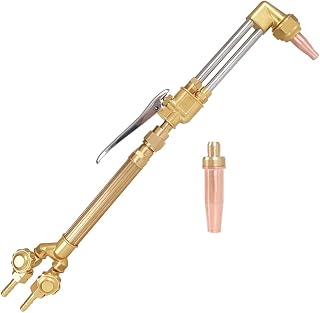
Victor Type Cutting Attachment Torch Handle
A medium-duty Victor-type oxygen/acetylene cutting torch with handle, attachment and tip, cutting up to 3/4-inch steel.
Pros
- Cuts up to 3/4 in steel, stated
- Tip options to 8 in steel, stated
- Alloy, stainless and brass, stated
- Handle, attachment and tip included, stated
Cons
- No warranty stated
- Tip 6-1-101 sold separately
- No safety feature stated
- 1.5 lb before hoses and tanks

Welding Torch Fueled By 20 lb Propane With Type 1
A propane torch for 20 lb tanks with Type 1 OPD valve, 60-inch hose and stainless steel head.
Pros
- Fits 20 lb propane tanks, stated
- 60 in hose, stated
- Stainless steel head, stated
- Cheaper than MAPP gas, stated
Cons
- Not a cutting torch, heating torch
- No warranty stated
- No cut capacity stated
- No safety feature stated
Other welders and gear to compare
 TOAUTO Heavy Duty Cutting TorchCheck price on Amazon
 Bernzomatic Standard Propane Fuel CylinderCheck price on Amazon
 Propane Torch HeadCheck price on Amazon
 KOMAN BLUEFIRE 1lb Propane Tank Camping Propane Tank Pack ofCheck price on Amazon
 BLUEFIRE Pack of 2 Propane Fuel Camping Gas Cylinder 16.4ozCheck price on Amazon
Propane vs acetylene cutting torch side by side
| Model | Fuel | Tool type | Cut capacity | Max temp | Weight |
|---|---|---|---|---|---|
| FLKQC Victor-Type Cutting Torch | Acetylene | Cutting torch | 3/4 in steel | 400 C | 1.5 lb |
| Cybring 20-Lb Propane Torch | Propane | Heating torch | Not stated | 2732 F | Not stated |
20 October 2026
What the propane example offers
The Cybring listing describes a simple, cheap-to-run torch: a 20 lb propane tank with a Type 1 OPD valve feeds a stainless steel head through a 60-inch hose, with a stated maximum temperature of 2732 F. The listing calls propane cheaper than MAPP gas, which is the real selling point: a grill tank you already own becomes a heating torch. What the listing does not state is any cut capacity, because this is not a cutting torch. The listing calls it a welding torch, but it states no cut capacity and includes no cutting attachment: it is a heating-type torch, not a cutting torch.
What the acetylene example offers
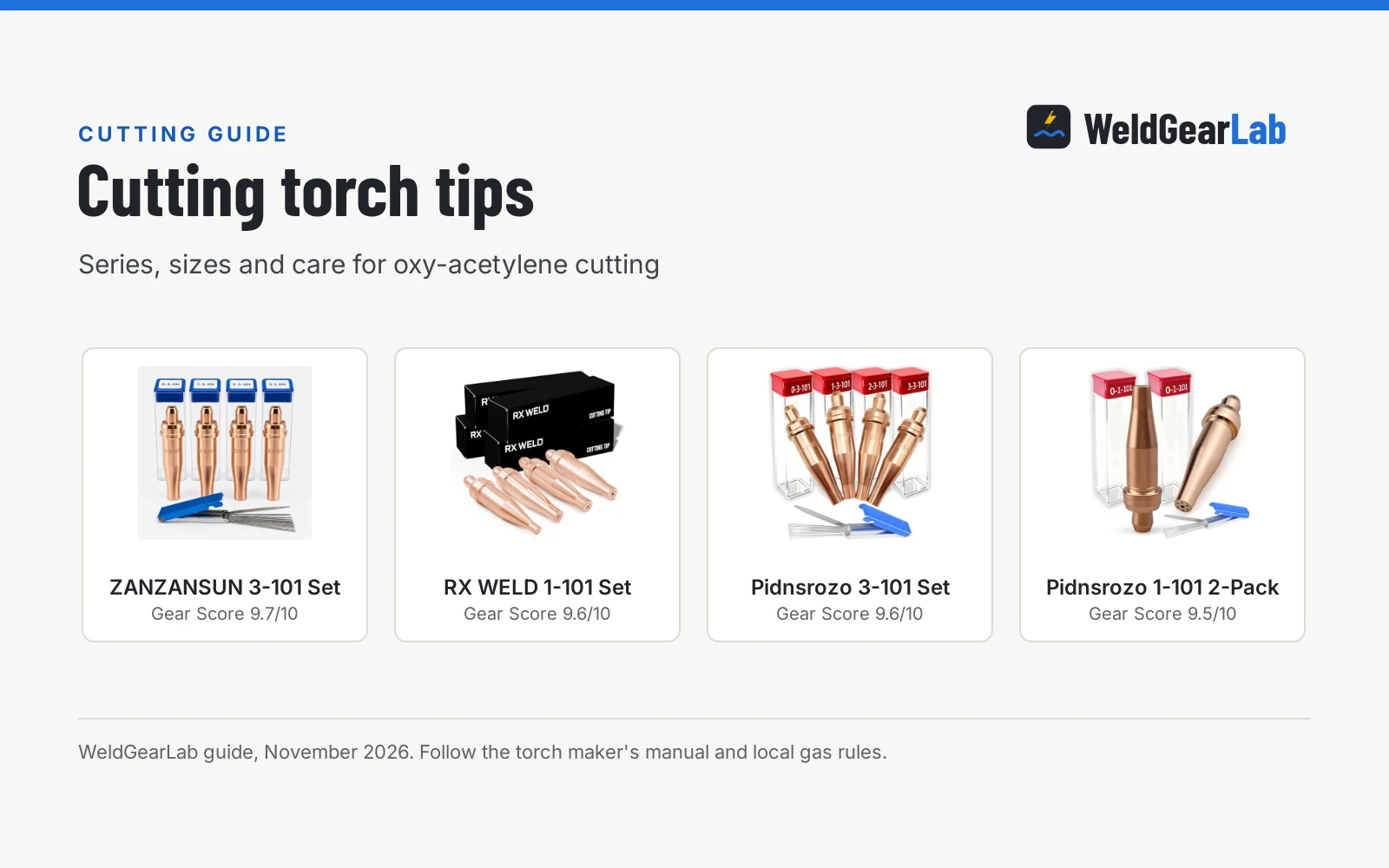
The FLKQC listing describes a complete cutting outfit: a 100FC torch handle plus CA1350 cutting attachment in high-strength alloy, stainless steel and brass, with the 1-1-101 tip cutting up to 3/4-inch steel and larger tips (6-1-101, up to 8-inch steel) available separately. The torch and handle are stated as ready for multiple gas options, which means the same hardware can run on other fuel gases with the right tips. The kit weighs 1.5 lb before hoses, regulators and cylinders, which are not included.
Fuel, tips and versatility
The fuel stories differ. The Cybring runs on one fuel: 20 lb propane tanks with Type 1 OPD valves, and its economy claim is against MAPP gas, not against acetylene. The FLKQC is an oxy-fuel torch: it needs oxygen plus a fuel gas, and its versatility comes from interchangeable cutting tips rather than cheap fuel. Neither torch wins on operating cost: the listings state no comparable cost figures, and the tools do different jobs.
Hose, valves and fittings
The Cybring listing is the detailed one here: a 60-inch hose feeds a stainless steel head from a 20 lb propane tank with a Type 1 OPD valve, and the listing describes the setup as high-pressure suited for a liquid propane gas cylinder. That is the whole fuel train, stated. The FLKQC listing names none of it: the kit includes one torch handle, one cutting attachment and one cutting tip, and nothing else. Cylinders, regulators and hoses are all on you. One listing gives you the connection details; the other leaves the plumbing entirely to the buyer.
Head and handle materials
The Cybring listing makes a materials claim: the stainless steel head has a higher melting point than brass, which the listing frames as more reliable. The FLKQC listing names three materials for the torch: high-strength alloy, heavy-duty stainless steel and durable brass, in a medium-duty Victor-type construction with a CA1350 cutting attachment and 100FC torch handle. Both listings lean on stainless steel in the marketing; only the Cybring draws the explicit comparison against brass.
Tips and cutting ranges
The FLKQC listing is specific: the included 1-1-101 cutting tip cuts up to 3/4-inch steel, and different tip sizes such as the 6-1-101, bought separately, cut up to 8-inch steel. The torch and handle are stated as ready for multiple gas options, so the cutting range grows with the tips you add. The Cybring listing names no tips and no cut capacity at all, because it is not a cutting torch. This is the clearest split between them: one torch’s range is a tip catalog, the other’s is blank.
Temperature figures
Both listings state a maximum temperature, in different units: 2732 F on the Cybring, 400 C on the FLKQC. The units make them non-comparable at a glance, and the tools do different jobs, so treat them as two separate figures, not a contest. The Cybring figure describes a heating torch’s stated maximum; the FLKQC figure sits in a spec table for a cutting outfit whose cutting capacity is stated separately in inches of steel.
When the propane example fits
- You heat rather than cut: the Cybring states no cut capacity and includes no cutting attachment.
- You want cheap fuel: the listing states propane costs less than MAPP gas.
- You own 20 lb propane tanks: the Type 1 OPD valve fits them directly.
Choose acetylene if
- You cut steel plate: the FLKQC tip is rated to 3/4-inch steel, with 8-inch options.
- You want a complete outfit: handle, attachment and tip are in the kit.
- You want gas options: the torch is stated as ready for multiple fuel gases.
Check the fittings before you buy
The listings state what each torch connects to, and the fittings decide what else you must own. The Cybring is built for a 20 lb propane tank with a Type 1 OPD valve, and it ships with a 60 inch hose suited to liquid propane. If your shop already runs a 20 lb tank with that valve, the Cybring connects to what you have; if not, the tank is a separate purchase the listing does not include. The FLKQC kit ships three pieces: the 100FC torch handle, the CA1350 cutting attachment, and one 1-1-101 cutting tip rated to 3/4 inch steel. Other tip sizes, like the 6-1-101 for up to 8 inch steel, are bought separately per the listing, so check the tip you need is available before committing to the torch. Both listings state their build materials, stainless steel head on the Cybring and high-strength alloy with stainless steel and brass on the FLKQC, and both state a maximum temperature figure, 2732 degrees F against 400 degrees C. Read the fittings twice; the torch is the cheap part of either setup.
FAQ for welders
Can a propane torch cut steel like acetylene?
The Cybring listing states no cut capacity: it is a heating torch, not a cutting torch. The FLKQC cutting torch is the one with stated cut capacity, up to 3/4-inch steel with the included tip.
What do I need besides the torch?
For the FLKQC: oxygen and fuel-gas cylinders, regulators, hoses and safety gear, none of which are in the kit. For the Cybring: a 20 lb propane tank with a Type 1 OPD valve.
What tips fit the FLKQC torch?
The kit includes a 1-1-101 tip (up to 3/4-inch steel). The listing says other sizes, such as 6-1-101 (up to 8-inch steel), can be bought separately.
Is propane cheaper to run than acetylene?
The Cybring listing claims propane is cheaper than MAPP gas, but states no comparison with acetylene and no operating cost figures. The tools do different jobs, so the listings give no basis for a cost verdict.
Related: plasma cutter vs oxy acetylene torch, oxy acetylene vs mig welder and the oxygen regulator for welding tank.
Scoring, line by line
| Product | Gear Score | Perf. /35 | Build /25 | Value /25 | Safety /10 | Warranty /5 |
|---|---|---|---|---|---|---|
| FLKQC Victor-Type Cutting Torch | 9.5 | 28 | 19 | 19 | n/a | 0 |
| Cybring 20-Lb Propane Torch | 9.4 | 23 | 18 | 19 | n/a | 0 |
Displayed scores fall between 9.2 and 9.8: the weighted point total is mapped onto that band in a straight line, so earning more points always lifts the score. Safety is only scored for powered machines or when a listing names safety features; otherwise it drops out and the score is worked from the other 90 points.
Before you light any torch, check hoses and regulators for damage, keep cylinders upright and chained, and ventilate the area. Oxy-fuel cutting throws sparks and hot slag: wear proper eye, face and body protection and keep a fire watch. See the OSHA welding page for the official guidance.