Cast Iron vs Steel Welding Square: Which Holds 90 Degrees
Cast iron vs steel welding square: cast iron is heavier and holds a machined 90-degree corner without flexing; steel is lighter and tougher but can bend. Which suits your shop?

On this page
Top picks at a glance
As an Amazon Associate I earn from qualifying purchases.
- 1
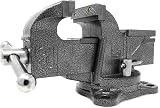 WEN Bench Vise9.3/10View on Amazon
- 2
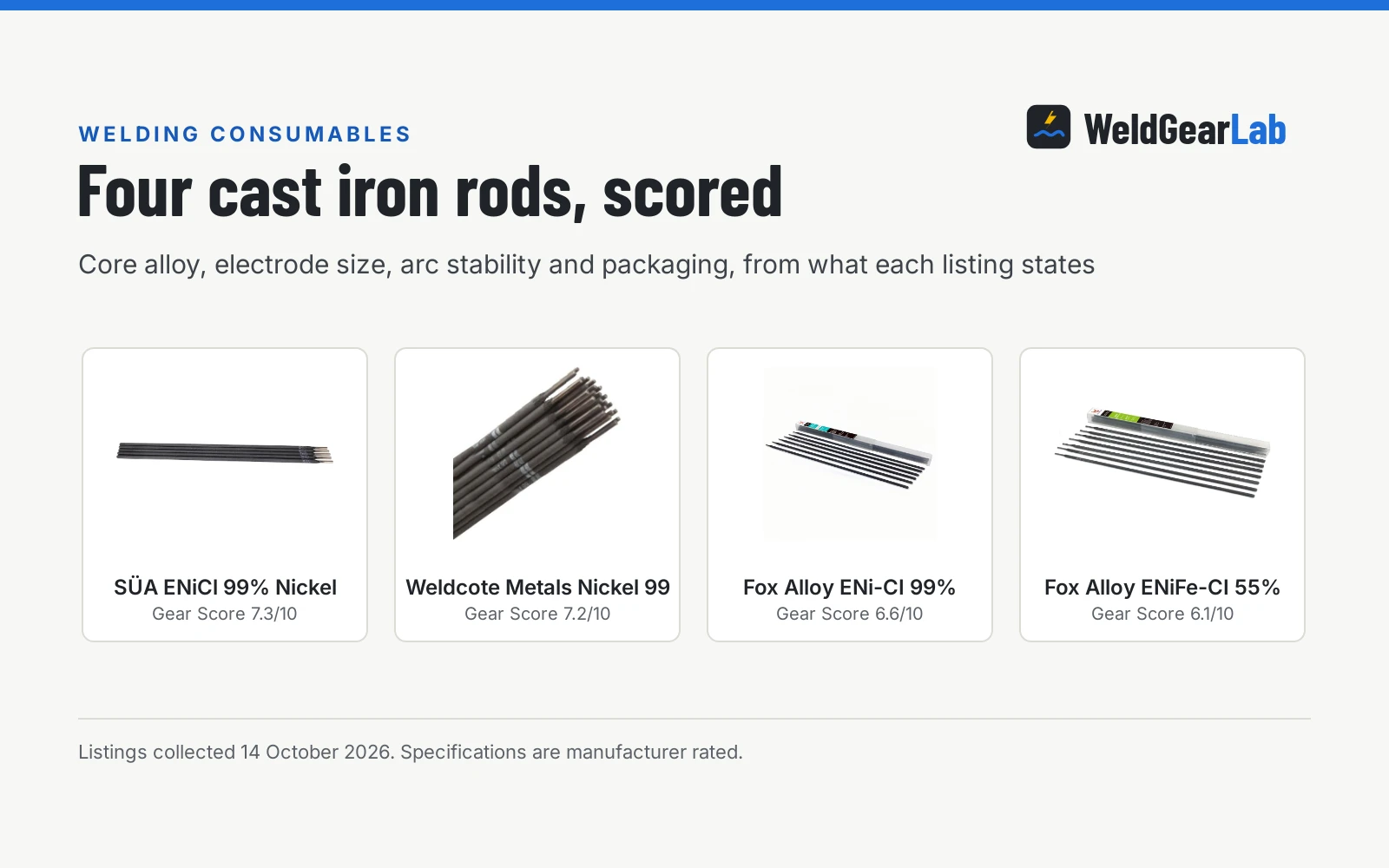
 ENiFe-CI Nickel-Iron Cast Iron Welding RodsView on Amazon
- 3
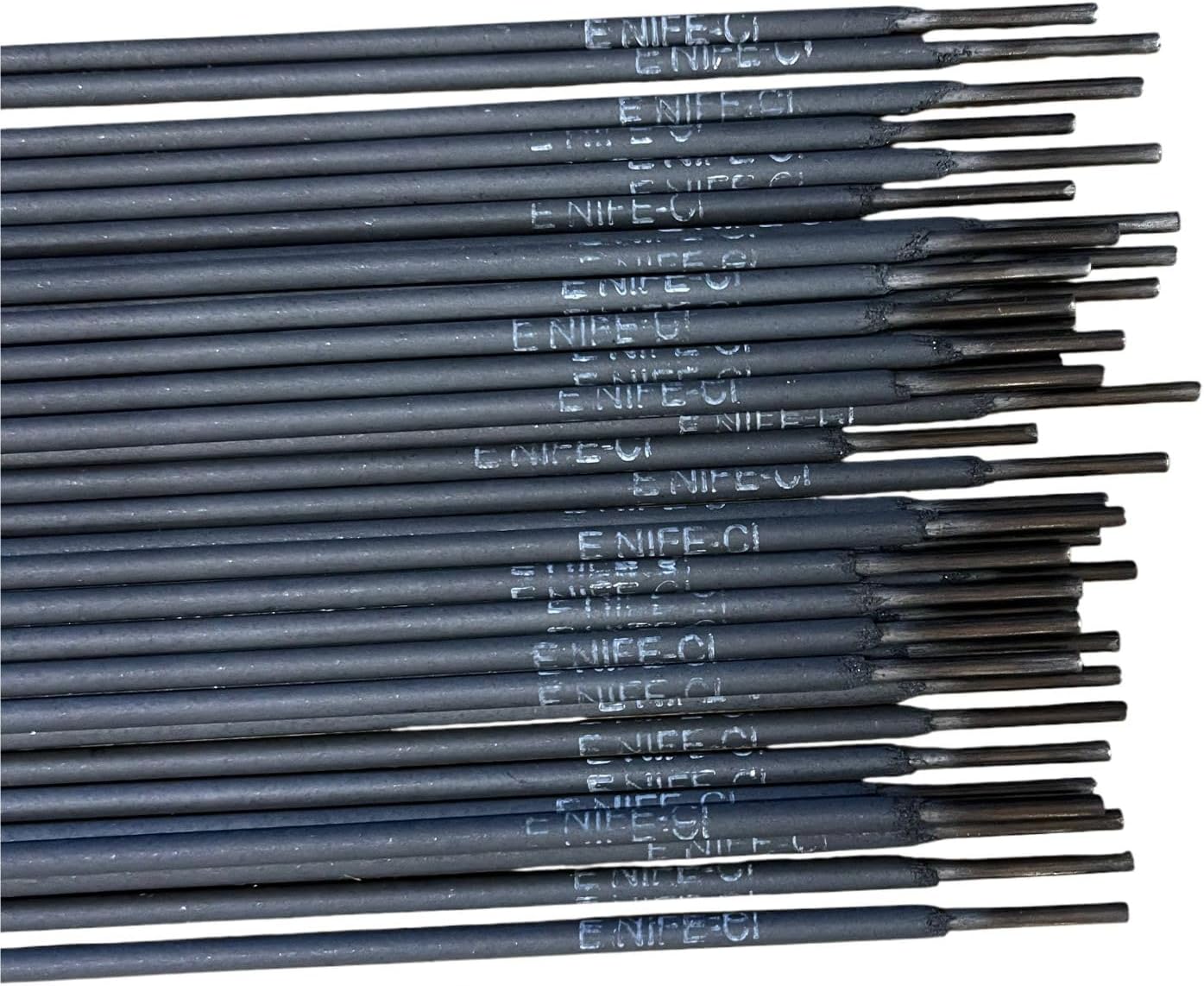 Nickel 55 Cast Iron Welding Electrode Repair & MaintenanceView on Amazon
- 4
 Forney 43401 Nomacast Hardcast Iron Specialty RodView on Amazon
- 5
 W045C Ductile Iron 90° Angle ClampView on Amazon
- 6
 DASBET Cast Iron Welders Angle ClampView on Amazon
- 7
 Weldcote Metals Nickel 99 Cast Iron Welding Electrode RepairView on Amazon
Cast iron vs steel welding square, the direct answer: a cast iron square is heavier and holds a machined 90-degree corner without flexing, which suits repeated frame and box setups. A steel square is lighter and easier to carry, but thinner steel can bend if it is dropped or overheated. Both clamp a 90-degree corner; the choice comes down to weight, stability and how rough your shop is. This guide explains the differences step by step.
Other welders and gear to compare
 ENiFe-CI Nickel-Iron Cast Iron Welding RodsCheck price on Amazon
 Nickel 55 Cast Iron Welding Electrode Repair & MaintenanceCheck price on Amazon
 Forney 43401 Nomacast Hardcast Iron Specialty RodCheck price on Amazon
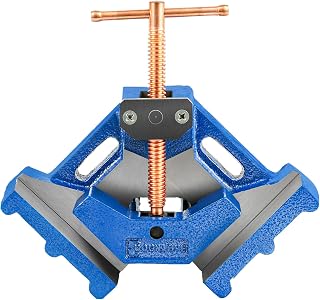 W045C Ductile Iron 90° Angle ClampCheck price on Amazon
 DASBET Cast Iron Welders Angle ClampCheck price on Amazon
 Weldcote Metals Nickel 99 Cast Iron Welding Electrode RepairCheck price on Amazon
WeldGearLab gets a commission on purchases made through links on this page, and your price stays the same. Affiliate disclosure.
Cast iron vs steel welding square: the short version
A welding square holds stock at a 90-degree corner while you tack, so the joint stays square while you weld. The material of the square itself changes how it behaves in the shop:
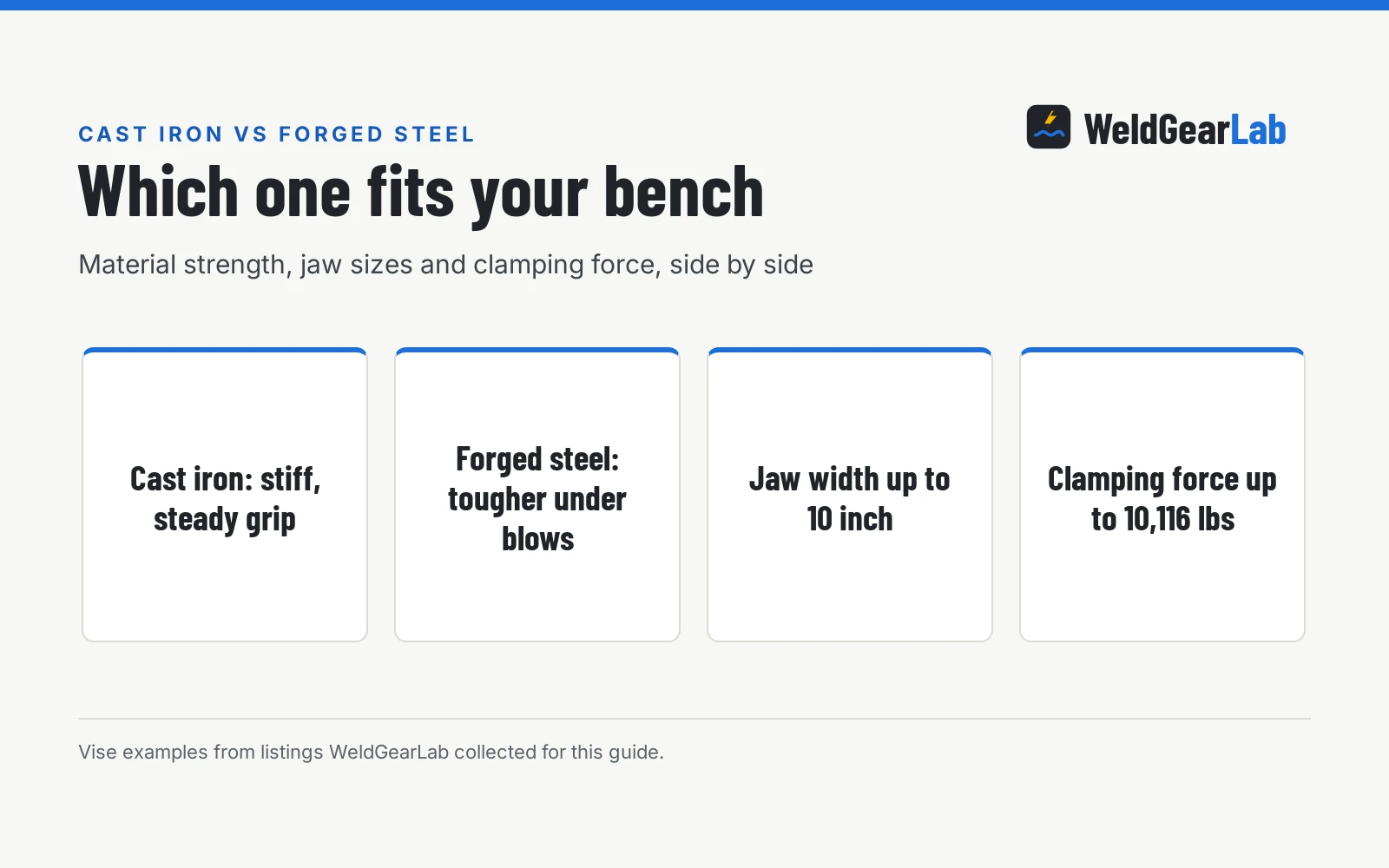
- Cast iron squares are heavy and rigid. They sit still on the bench, resist flexing when you clamp, and hold their machined angles because cast iron does not bend the way steel does. It cracks instead, so a cast iron square does not survive being dropped on concrete as kindly.
- Steel squares are lighter. They carry to the job site easily and absorb a knock, but thin steel can bend, and a bent square no longer gives you a true 90 degrees.
What a welding square does
The job is simple: hold stock at an exact 90 degrees for tacks and welds. Some squares clamp the work themselves, like the BESSEY WSM-12 angle clamp, a cast iron clamp with a 9-1/2 inch capacity that weighs 16 pounds. Others are fixtures you bolt or vise-mount, like the Strong Hand Tools LF-2 aluminum 90-degree fixture with 1-1/2 inch clearance and a 3-pound weight. Fixed squares give a reference face; clamping squares also apply the pressure.
Cast iron squares: heavy, rigid, stable
Cast iron is the traditional material for precision fixtures, and for one reason: mass plus rigidity. A cast iron body does not flex when you crank a clamp down, so the 90-degree face you machined is the 90-degree face you get. On the bench, weight is a feature: the COGNATIVE W045C ductile iron angle clamp weighs 18.5 pounds with a 4.72-inch maximum opening and 2.36-inch jaw depth, and that mass keeps it planted while you position stock.
The COGNATIVE clamp’s powder coating prevents rust and corrosion. The downside is brittleness. Cast iron does not bend; hit it hard and it cracks. A cast iron square lives on the bench or in the shop, not bouncing around in a truck box.
Copper-plated spindles, like those on the BESSEY WSM-12, resist spatter on the moving parts, which matters because the clamp still has to move after months of shop use.
Steel squares: light, tough, portable
A steel square trades mass for portability. Steel bends rather than cracks, so a dropped steel square usually survives with a dent instead of a fracture. For site work, farm repairs and anything where the tool travels, that toughness matters.
The trade-off is stiffness. A thin steel square can flex under clamping pressure, and heat from nearby welding can distort thin sections over time. Steel also rusts if left unprotected, so keep it dry. Check the square against a known-good reference now and then: a square you cannot trust is just a paperweight.
Side-by-side comparison
| Cast iron square | Steel square | |
|---|---|---|
| Weight | Heavy; a cast iron angle clamp can weigh 16 to 18.5 pounds | Lighter and easier to carry |
| Rigidity | Very rigid; does not flex under clamp pressure | Can flex if the section is thin |
| Damage mode | Cracks when dropped hard | Bends or dents; usually survives drops |
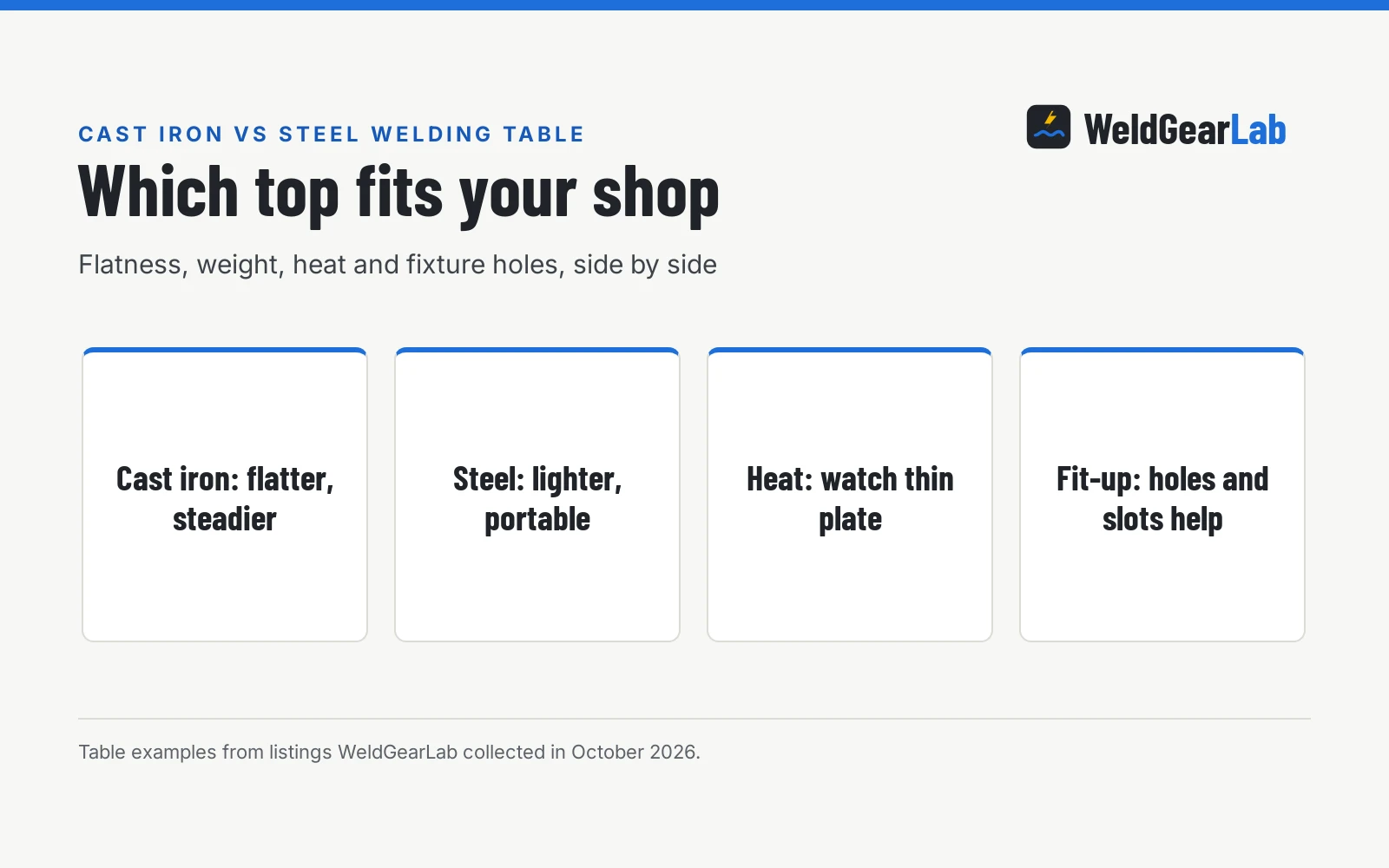
| Heat behavior | Holds machined angles well | Thin sections can distort with repeated heat |
| Best home | The bench and the shop | The truck and the job site |
Which one should you buy
Buy a cast iron square if you weld at a bench, build frames and boxes to repeatable 90-degree corners, and want the tool to stay put and stay true. The 16-pound BESSEY WSM-12 or the 18.5-pound COGNATIVE W045C class of clamp is our shop pick: heavy enough to hold, rigid enough to trust.
Buy a steel square if the tool travels: site work, farm repairs, and anywhere it might fall off a tailgate. Accept the trade-off by checking it for square periodically and keeping it dry.
For many home shops, the answer is both: a heavy cast iron square that lives on the bench, and a steel square that rides in the tool bag.
Using any square well
However the square is made, a few habits keep it true. Clamp the work, then check the corner before the first tack; heat pulls joints as you weld, so tack first and measure second. Keep spatter off the reference faces: anti-spatter spray or a quick wipe keeps the machined face clean. Store the square where it will not be knocked off the bench, and if a square takes a hard fall, check it against another square before trusting it again.
FAQ for welders
Is a cast iron or steel welding square more accurate?
Accuracy comes from the machined faces, not the material name. Cast iron holds its machined 90-degree face because it is rigid and heavy; steel is accurate too until it bends. Either way, check the square periodically.
Can a welding square be used as a hammer?
No. Cast iron cracks and steel bends; use the square for layout and clamping only.
Is a steel welding square good for site work?
Steel bends rather than cracks, so a dropped steel square usually survives with a dent instead of a fracture. That toughness suits work where the tool travels, but check it for square periodically and keep it dry.
How do I keep a welding square square?
Store it where it will not fall, keep spatter off the faces, and check it against a known-good reference after any hard knock.
More welding guides
For the surface they sit on, see our fixture table vs steel plate welding table guide, and to build your own bench, read how to build a welding table.