Straight vs 90 Degree Die Grinder: Which One Should You Buy?
Straight and 90-degree die grinders do the same jobs with different head geometry: how orientation changes access and control, with rpm, power and air figures from current listings.


On this page
Top picks at a glance
As an Amazon Associate I earn from qualifying purchases.
- 1
 CRAFTSMAN Aviation Snips9.6/10View on Amazon
- 2
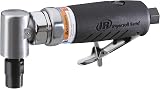 Ingersoll Rand 3101G 1/4" Collet Air Die Grinder Max freeView on Amazon
- 3
 WORKPRO Air Angle Die GrinderView on Amazon
- 4
 Angle air die grinder 1/4" with 4 pcs 2" roll lock sandingView on Amazon
- 5
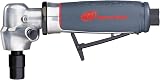 Ingersoll Rand 5102MAX 1/4" Collet Air Die Grinder Max freeView on Amazon
- 6
 Ingersoll Rand 302B 1/4" Collet Air Die Grinder Max freeView on Amazon
- 7
 PROSHI 1/4-Inch Air Die Grinder With Rubber SleeveView on Amazon
Straight vs 90 degree die grinder is a question of access, not power. A straight die grinder holds the collet in line with the body, like a fat pencil, so the bit points where your hand points. A 90-degree die grinder turns the collet sideways at the head, so the body stays out of the way while the bit works the surface. This guide compares the two orientations for fab and shop work, with figures from current listings.
Other welders and gear to compare
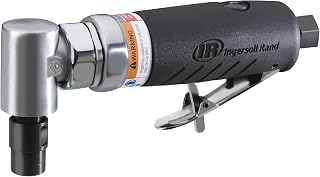 Ingersoll Rand 3101G 1/4" Collet Air Die Grinder Max freeCheck price on Amazon
 WORKPRO Air Angle Die GrinderCheck price on Amazon
 Angle air die grinder 1/4" with 4 pcs 2" roll lock sandingCheck price on Amazon
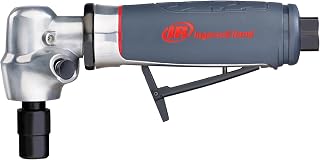 Ingersoll Rand 5102MAX 1/4" Collet Air Die Grinder Max freeCheck price on Amazon
 Ingersoll Rand 302B 1/4" Collet Air Die Grinder Max freeCheck price on Amazon
 PROSHI 1/4-Inch Air Die Grinder With Rubber SleeveCheck price on Amazon
This guide links to our product roundups, where WeldGearLab gets a commission on purchases made through links on this page, and your price stays the same. Read our affiliate disclosure.
Straight vs 90 degree die grinder: the short answer
Buy the straight die grinder when the work is inside something: ports, tubes, bores, and tight spots where the bit has to reach straight in along the tool’s axis. Buy the 90-degree die grinder when the work is on a surface: deburring edges, blending welds, and grinding where you want the body angled away from the work. Neither orientation covers the other’s jobs, so the choice comes down to the work you do most.
Side by side
| Straight die grinder | 90-degree die grinder | Listing source | |
|---|---|---|---|
| Head | Collet in line with the body | Collet turned 90 degrees at the head | Style names in listings |
| Example free speed | 25,000 rpm in title and bullets; 20,000 rpm in spec table | 18,000 to 22,500 rpm across listings | Ingersoll Rand 5102MAX; AIRCAT 6280; CP875 |
| Example power | 0.4 hp | 0.3 to .75 hp | 5102MAX; CP875; AIRCAT 6280 |
| Collet | 1/4 in | 1/4 in; 1/8 in collets included on two listings | 5102MAX; WORKPRO; PROSHI |
| Example length | 7 in | 4.88 to 6.8 in | 5102MAX; CP875; IR 3101G |
| Example weight | 1.4 lbs spec table; 1.0 lb in bullets | 0.99 to 1.3 lbs | 5102MAX; CP875; IR 3101G |
| Air demand | Not stated | 90 psi; 3 cfm to 22 cfm at load | WORKPRO; CP875 |
| Throttle safety | Not stated | Self-locking or lock-off throttle levers | IR 3101G; WORKPRO; PROSHI |
Figures above are per-listing as stated. The Ingersoll Rand 5102MAX listing contradicts itself on speed: 25,000 rpm in the title and bullets, 20,000 rpm in the spec table. Check the spec table before you buy.
When a straight die grinder is the better choice
- Inside work. Ports, tubes and bores where the bit must travel straight in along the body’s axis. The in-line layout is the whole point of the straight style.
- Reach down a bore. Ingersoll Rand’s 5102MAX lists 7 in long with a 1/4 in collet and 0.4 hp; the bit sits at the end of the tool, not off to the side.
- Point-and-shoot control. The bit points where the hand points, which suits freehand detailing and die work.
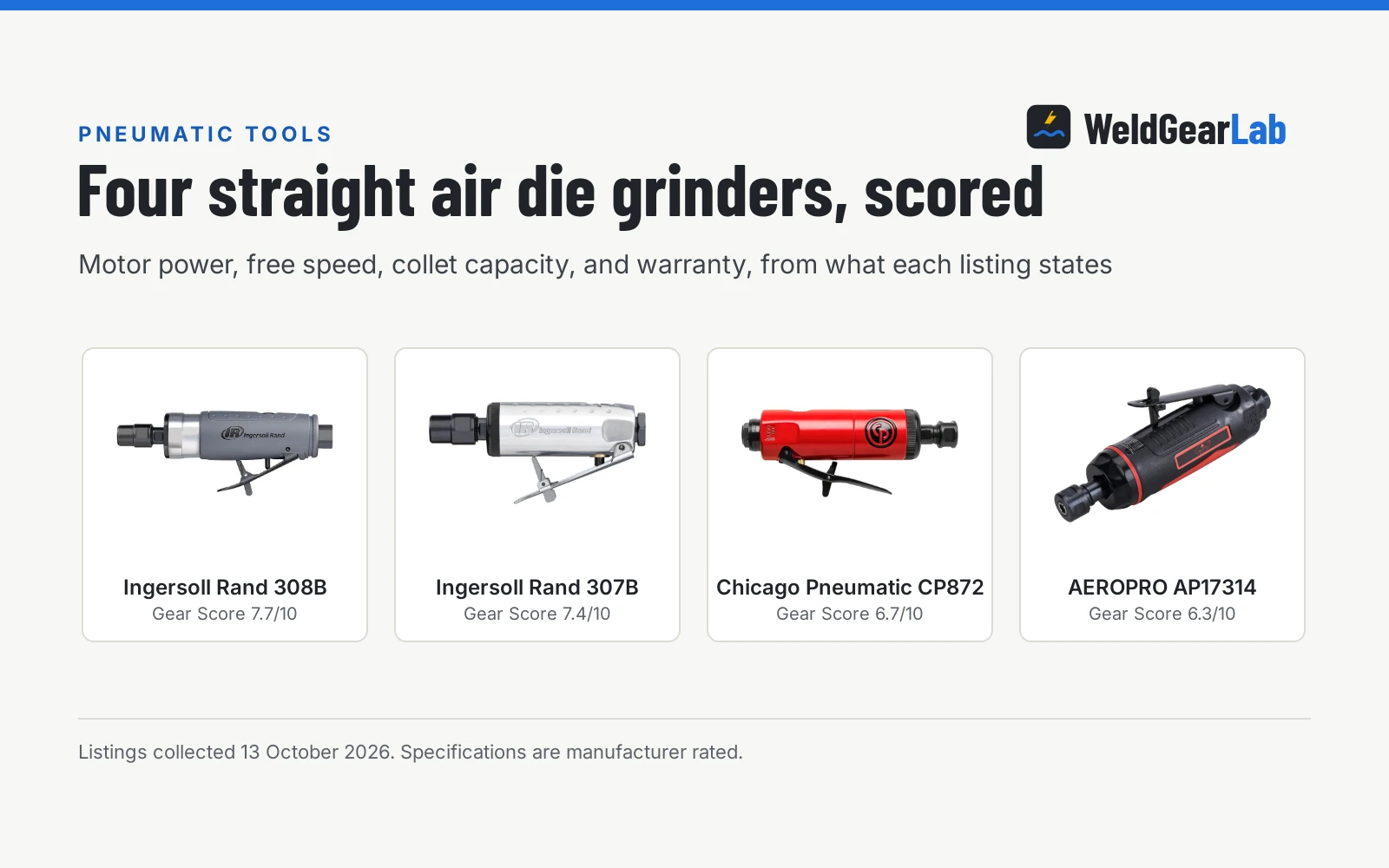
See our best straight air die grinder picks for four pneumatic options scored for the shop.
When a 90-degree die grinder is the better choice
- Surface work. Deburring edges, breaking sharp corners and blending welds with the body angled away from the surface.
- Tight quarters. The Chicago Pneumatic CP875 lists 4.88 in long and 0.99 lbs; the short sideways head turns corners a straight body cannot.
- Leverage at the head. The sideways head gives the hand leverage for grinding pressure. The IR 3101G lists a self-locking throttle and the WORKPRO a safety-lock throttle lever against accidental starts.
- More choices. Most die grinder listings are 90-degree. 20,000 rpm is the common figure (IR 3101G, WORKPRO, PROSHI), with the CP875 at 22,500 rpm and the AIRCAT 6280 at 18,000 rpm and .75 hp.
Our best die grinder guide covers cordless, corded and air picks, and what is a die grinder explains the types in more depth.
Air, collets and bits
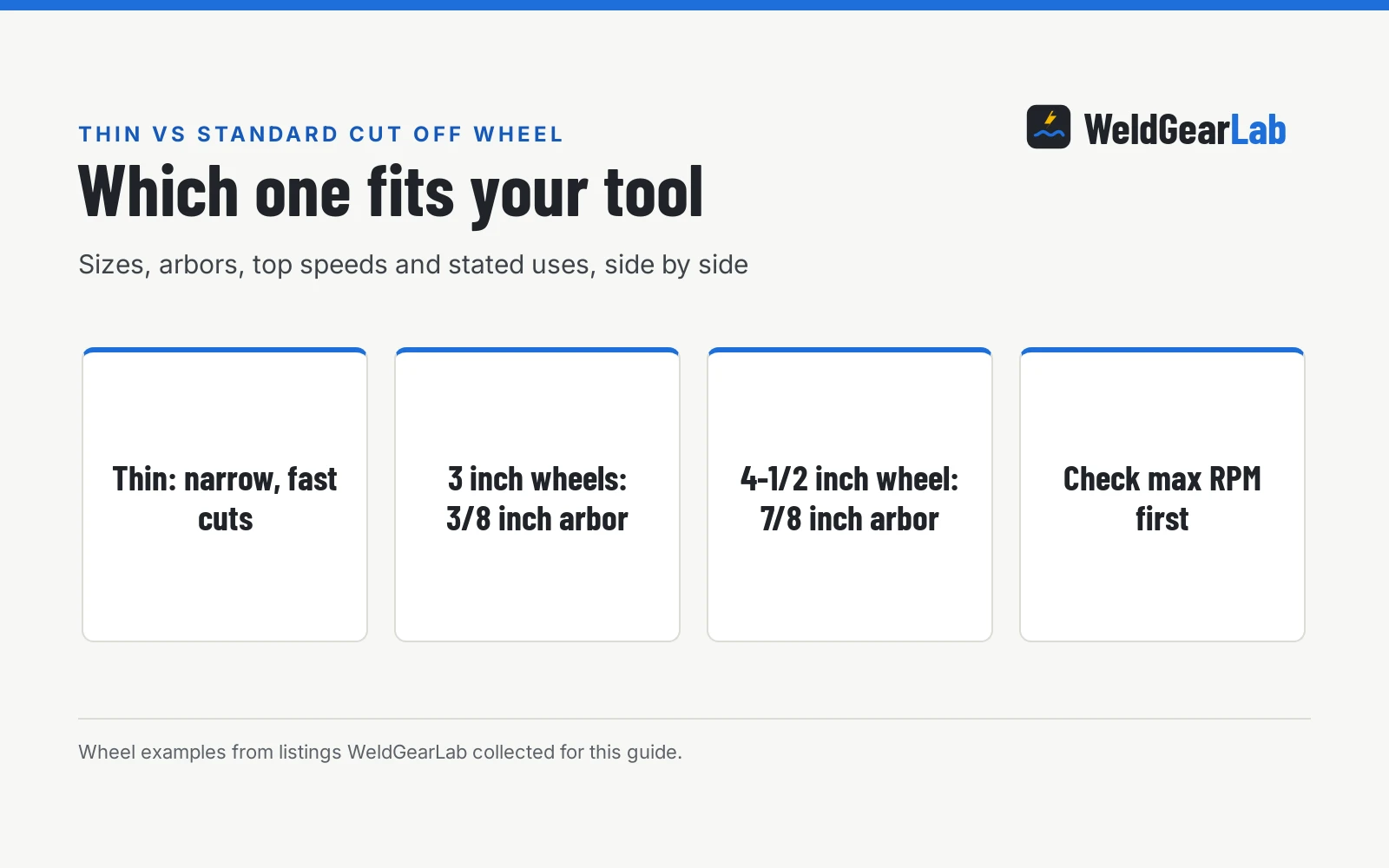
Nearly every listing here is air powered, and air demand varies widely: the CP875 lists 90 psi and 22 cfm at load, while the WORKPRO lists 90 psi and 3 cfm. Size the compressor to the tool’s stated demand, and note the listings sell the tool only; the compressor is not included. Collets are 1/4 in on nearly every listing; the WORKPRO and the PROSHI 315B include 1/8 in collets as well. The bits are the same either way: grinding stones, carbide burrs, cut-off wheels and wire brushes fit both orientations, so the choice is about the head, not the accessory. See our best die grinder cut-off wheels for wheels sized to these tools.
Cordless is the third option. The Milwaukee M12 listing is a 12V right-angle die grinder at 1.7 lbs, and the air listings pitch continuous running as long as the compressor keeps up. Cordless trades the hose for a battery; air trades portability for never running down mid-bead. Match the choice to the shop: a plumbed compressor favors air, field work favors cordless.
What to check in the listing
Die grinder listings contradict themselves more than most. The 5102MAX states 25,000 rpm in the title and bullets but 20,000 rpm in the spec table, lists 1.4 lbs in the spec table against 1.0 lb in the bullets, and calls itself straight in one bullet while praising its right-angle configuration in the next. Before buying, check the rpm in the spec table against the title, the weight in the spec table against the bullets, and the head style in the title against the style name row.
Bits and speed. A die grinder throws small bits at high rpm, so match the bit’s rated speed to the tool and wear eye protection; a shattered stone at 20,000 rpm is not a lesson you want twice. Keep the work clamped down and your hands clear of the bit’s path.
FAQ for welders
Can a straight die grinder do everything a 90-degree one can?
The bits overlap, but the access does not. A straight grinder reaches inside ports, tubes and bores along its axis; a 90-degree grinder works surfaces and edges with the body out of the way. Shops that do both kinds of work usually own both orientations.
What rpm do die grinders run?
The listings here state 18,000 to 25,000 rpm, with 20,000 rpm the most common figure. The AIRCAT 6280 lists 18,000 rpm and the CP875 lists 22,500 rpm. The 5102MAX claims 25,000 rpm in its title and bullets but 20,000 rpm in its spec table, so verify before you buy.
What size collet do die grinders use?
Nearly every listing here uses a 1/4 in collet. The WORKPRO and the PROSHI 315B are the exceptions that include 1/8 in collets as well. Match the collet to the shank on your bits.
How much air does a die grinder need?
It varies by listing: the CP875 states 22 cfm at load and the WORKPRO states 3 cfm, both at 90 psi. Size the compressor to the tool’s stated demand. The listings sell the tool only; the compressor is not included.
Should I buy cordless or air?
Air runs continuously as long as the compressor keeps up, which the air listings pitch as the advantage. Cordless, like the 12V Milwaukee M12 at 1.7 lbs, drops the hose for field work and quick jobs. Match the choice to the shop: a plumbed compressor favors air, field work favors cordless.
Related: best die grinder, best straight air die grinder, what is a die grinder, best die grinder cut-off wheels and the metal fab tools hub.