Pneumatic vs Electric Die Grinder: Which One Should You Buy?
Pneumatic vs electric die grinder: when shop air wins, when electric wins, and what the pneumatic listing figures say about speed, weight and air demand.

On this page
Top picks at a glance
As an Amazon Associate I earn from qualifying purchases.
- 1
 NYXOVA 150mm Air Hammer Kit9.6/10View on Amazon
- 2
 SENCAN Electric Die Grinder9.6/10View on Amazon
- 3
 JET 1/4-Inch Pneumatic Extended Die GrinderView on Amazon
- 4
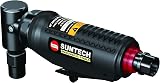 SUNTECH SM-52-5300 Sunmatch 1/4" 90 Degree Angle PneumaticView on Amazon
- 5
 1/4-Inch Angle Air Die GrinderView on Amazon
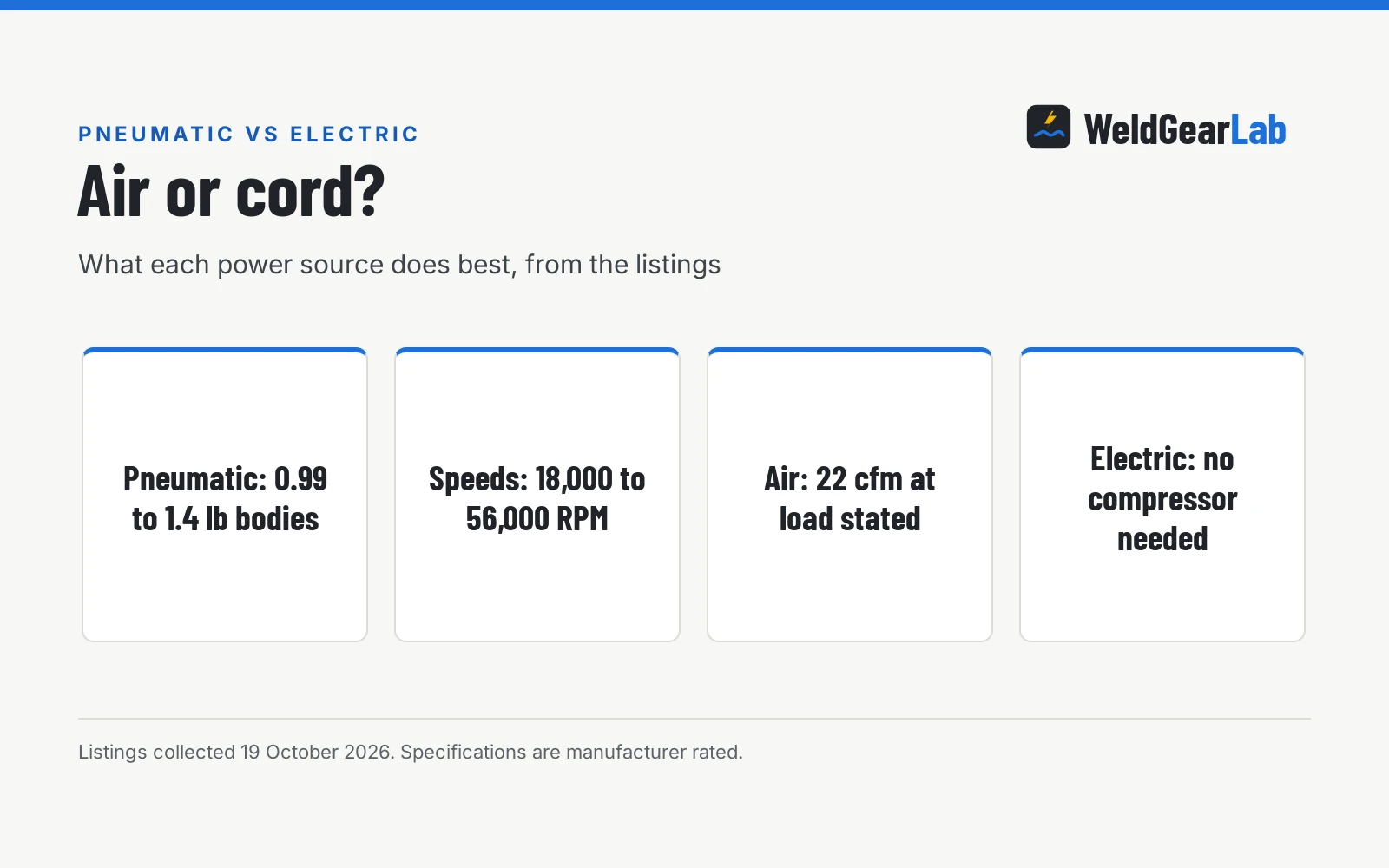
Die grinder shopping splits on the power cord, and the pneumatic vs electric die grinder question is really about your shop’s air supply. A pneumatic die grinder runs on compressed air, with the pneumatic listings stating bodies from 0.99 to 1.4 lb and free speeds from 18,000 to 56,000 RPM. An electric die grinder plugs into the wall or a battery: no compressor to buy or maintain. If you own a compressor, pneumatic fits that shop; if you do not, electric gets you grinding today.
Other welders and gear to compare
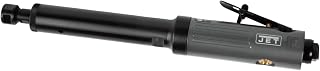 JET 1/4-Inch Pneumatic Extended Die GrinderCheck price on Amazon
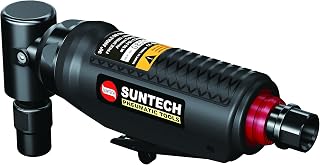 SUNTECH SM-52-5300 Sunmatch 1/4" 90 Degree Angle PneumaticCheck price on Amazon
 1/4-Inch Angle Air Die GrinderCheck price on Amazon
This guide links to our product roundups, where WeldGearLab gets a commission on purchases made through links on this page, and your price stays the same. Read our affiliate disclosure.
Pneumatic vs electric die grinder: the difference in one paragraph
The pneumatic listings state light bodies and high free speeds. From the 56,000 RPM Astro pencil grinder to the 0.4 HP Ingersoll Rand and AIRCAT angle grinders, the figures run: 0.99 to 1.4 lb bodies, 18,000 to 56,000 RPM free speeds, and 1/4 in collets on the listings that state one, with the air compressor doing the heavy lifting offstage.
Side by side
| Factor | Pneumatic | Electric | Listing notes |
|---|---|---|---|
| Weight | 0.99 to 1.4 lb stated | Not stated | CP875 at 0.99 lb |
| Free speed | 18,000 to 56,000 RPM | Not stated | Astro 56,000 RPM highest |
| Power | 0.3 to 0.4 HP air motors | Corded or battery | Electric figures not given |
| Needs | Compressor, hose, oiler | Outlet or batteries | CP875: 22 cfm at 90 psi |
| Best for | All-day shop duty | No-compressor shops, field work | General guidance |
When pneumatic is the better choice
Pick pneumatic when the compressor is already in the corner. The pneumatic listings state light bodies: the Chicago Pneumatic CP875 is 0.99 lb and 4.88 in long, the Ingersoll Rand 5108MAX is 1.0 lb, and the AIRCAT 6255 keeps noise to a stated 82 dBA with a tuned exhaust. Free speeds run from 18,000 RPM on the AIRCAT to 30,000 RPM on the CP876’s bullets and 56,000 RPM on the Astro pencil grinder for porting small parts. Motors run 0.3 to 0.4 HP across the listings, with safety-lock throttles, speed regulators and ball or steel-grade bearings as the recurring build notes.
When electric is the better choice
Pick electric when there is no compressor, or no room for one. A corded electric die grinder plugs into any outlet and works anywhere the cord reaches, and a cordless one goes further still on batteries you may already own. You skip the air hose, the water separator, the oiler and the compressor noise entirely. The motor lives in the hand instead of on the shop wall, so there is no air hose to drag around. For a home garage without air, or for field work far from the shop, electric is the practical pick.
What the pneumatic listings tell you
The listings show the shape of the category. Angle heads dominate for tight work: 90-degree heads on the CP875, WORKPRO, PROSHI, AIRCAT, IR 302B and SHALL, with straight pencil and inline shapes for porting. Collet sizes vary by listing: most listings that state one give 1/4 in, the WORKPRO and SHALL add 1/8 in collets for small shanks, and the Astro pencil grinder is a 1/8 in tool. Air demand is the number to respect: the CP875 states 22 cfm at load on 90 psi working pressure, which decides the compressor you need. Two listings state different figures: the IR 5102MAX title claims 25,000 rpm while its spec table says 20,000 rpm, and its bullets describe the 5108MAX at 25,000 rpm; and the CP876’s bullets claim 30,000 RPM while its spec table repeats the CP875’s 22,500 RPM figures. Trust the bullets, but confirm before you buy.
Air supply: the hidden requirement
Pneumatic’s catch is the compressor. The CP875’s 22 cfm at load is a serious appetite: size the compressor to that figure. Budget for clean, dry air too: the listings assume regulated shop air, and the SHALL kit even includes a 10ml bottle of lubricant, a reminder that air motors want oil. If your compressor is marginal, an electric grinder that asks nothing but an outlet starts looking smart.
FAQ for welders
Do I need a big compressor for a pneumatic die grinder?
Check the air consumption figure. The CP875 states 22 cfm at load on 90 psi.
Which is lighter, pneumatic or electric?
On the pneumatic listings alone, weights run from 0.99 lb for the CP875, 1.0 lb for the IR 5108MAX, 1.28 lb for the IR 302B and 1.4 lb in the 5102MAX spec table. The listings give pneumatic weights only, so no direct weight comparison is possible.
What collet size do I need?
1/4 in covers standard die grinder burrs. The WORKPRO and SHALL add 1/8 in collets for small-shank bits. Match the collet to the burrs you own.
Are pneumatic die grinders loud?
Usually, yes. The AIRCAT 6255 is the exception that states a figure: 82 dBA with a tuned exhaust system. Wear hearing protection regardless.
Can an electric die grinder do the same work?
For deburring, porting, polishing and weld cleanup, yes, with different trade-offs: no air hose, no compressor. Pneumatic suits all-day shop duty where air is already available. See die grinder vs angle grinder if the tool type itself is still open.
Related: the best straight air die grinder picks, what is a die grinder and the die grinder vs angle grinder comparison.