How Do You TIG Weld Aluminum: A Step-by-Step Guide
TIG welding aluminum takes a clean joint, AC current, pure argon and the right filler rod: this guide walks through each step and the rods that suit it.

On this page
Top picks at a glance
As an Amazon Associate I earn from qualifying purchases.
- 1
 MorningRo ER5356 3/32" x 39" 15LB Aluminum Tig9.6/10View on Amazon
- 2
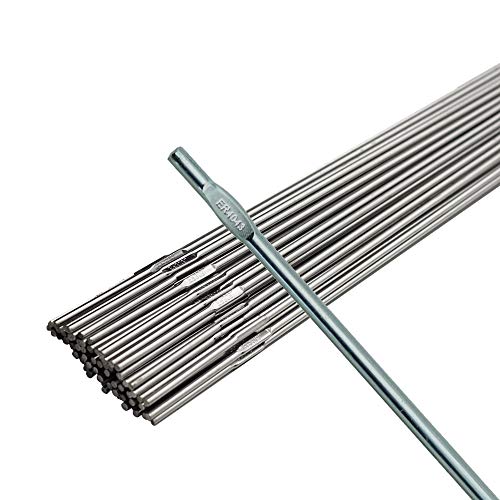 WeldingCity 10-Lb ER4043 TIG Welding Rod Aluminum9.6/10View on Amazon
- 3
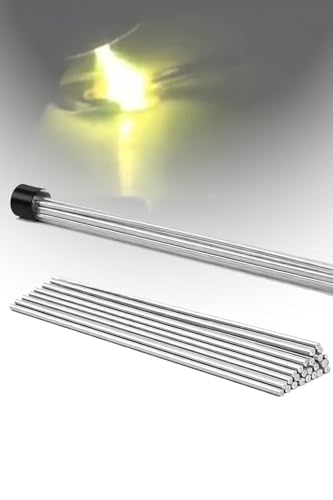 Cadhena Aluminum Filler Rod 53569.6/10View on Amazon
- 4
 ER5356 1/16" 3/32" 1/8" Aluminum TIG Welding9.4/10View on Amazon
The short answer to how do you tig weld aluminum is simple: clean the joint, fit it tight, weld on AC under pure argon and feed a rod that matches the alloy. Aluminum moves heat fast and wears a tough oxide skin, so the prep and the setup matter as much as the bead. This guide walks through the steps in order, then the filler rods that suit the work.
This guide links to our product roundups, where WeldGearLab gets a commission on purchases made through links on this page, and your price stays the same. Read our affiliate disclosure.
MorningRo ER5356 3/32" x 39" 15LB Aluminum Tig
A 15 lb pack of 3/32 in ER5356 rod for magnesium alloys and marine work, with the gas and polarity stated in the listing.
Pros
- 3/32 in by 39 in rods in a 15 lb pack, sized for long seams
- Mg content of 4.5-5.5% for corrosion resistance in saltwater
- States 100% argon shielding gas and DCEP current
- Suits Al-Mg, Al-Mg-Zn and Al-Si-Mg alloys
Cons
- No warranty term is stated
- 15 lb pack is more rod than a small repair needs
- Title also calls them brazing rods, which muddles what they are
WeldingCity 10-Lb ER4043 TIG Welding Rod Aluminum
A 10 lb pack of 1/8 in ER4043 rod for general-purpose aluminum joints, with the AWS spec and full chemistry in the listing.
Pros
- States AWS A5.10 / ASME SFA A5.10 and full chemistry, Si 4.5-6.0%
- 1/8 in by 36 in rods in a 10 lb pack
- Silicon helps the puddle flow and leaves a weld less sensitive to cracking
- Also offered in 1/16 and 3/32 in, and in 2 and 5 lb packs
Cons
- No warranty term is stated
- 10 lb is a lot of rod for occasional use
- General-purpose only: the listing names no marine or pressure-vessel use
Cadhena Aluminum Filler Rod 5356
A small pack of 25 rods of 1/16 in ER5356 for light repairs on 5xxx series aluminum and magnesium alloys.
Pros
- 25 rods of 1/16 in by 13 in, a small pack for quick repairs
- Mg content of 4.5-5.5% with full chemistry stated
- States 5xxx series and aluminum-magnesium alloys
- Suits auto parts, bikes, boats, tools and general fabrication
Cons
- No warranty term is stated
- No shielding gas is stated
- 1/16 in rod suits light work only
- Pack weight is not stated
ER5356 1/16" 3/32" 1/8" Aluminum TIG Welding
A 5 lb pack of 3/32 in ER5356 rod for general 5356 work, with diameters and pack sizes stated but almost no other detail in the listing.
Pros
- 5 lb pack of 3/32 in ER5356 rod
- Also offered in 1/16 and 1/8 in, and in 1, 2 and 10 lb packs
- 5 lb is a middle size between a small pack and a bulk buy
- Alloy, diameter and pack weight are all stated in the title
Cons
- No warranty term is stated
- No shielding gas is stated
- No chemistry, uses or applications are stated
- Rod length is not stated
How do you TIG weld aluminum: the short answer
Clean the joint down to bright metal, fit the parts tight with no gap, weld on AC under pure argon, and feed a filler rod that matches the alloy: 5356 for magnesium alloys and marine work, 4043 for general-purpose joints. Keep the tungsten out of the puddle and let the puddle tell you when to add rod.
Clean the joint
Aluminum wears an oxide skin that melts at a much higher heat than the metal under it, so a weld over oxide traps dirt in the bead. Clean the joint with a stainless brush kept for aluminum only, and wipe the rod and the joint with acetone or a solvent the shop already uses for metal prep. Clean right before welding, since a clean joint starts to oxidize again as soon as it sits.
Do not use a brush that has touched steel, and do not use a grinding disc that has ground steel. Steel dust in an aluminum joint rusts under the bead and weakens it.
Fit the parts tight
Aluminum moves when it heats, so a loose joint opens up as the weld runs. Fit the parts tight, clamp them to a flat surface, and tack the ends before running the full bead.
Thin sheet needs more care than thick plate: it warps fast and burns through if the arc lingers. Tack in short steps along the joint, let the metal cool between tacks, and keep the clamps on until the weld is done.
Set the machine for aluminum
Aluminum TIG runs on AC, which cleans the oxide as it welds. Set the machine to AC, set the gas to pure argon, and check the tungsten: a clean, balled tip suits aluminum work. The listings in this guide state the gas plainly: the MorningRo rods (on Amazon) call for 100% argon, and the WeldingCity rods call for 100% argon, helium or a mix.
Keep the tungsten out of the puddle. A dipped tungsten contaminates the weld and has to be reground before the next bead, so hold a short arc and let the filler feed the puddle instead of the tungsten.
Arc, fumes and gas. TIG welding makes a bright arc and fumes, so weld with ventilation, wear a helmet and gloves, and chain the gas cylinder upright. Keep flammables clear of the bench.
Run the bead: puddle, rod, travel
Start the arc, watch the puddle form, and add rod at the leading edge of the puddle. Feed the rod in short dabs, keep the rod in the gas shield, and move forward at a steady pace.
Aluminum shows no color change as it heats, so the puddle is the guide, not the glow. Watch the edges of the puddle and the way the filler melts into it.
Pick the filler rod: 5356 or 4043
The alloys in this guide suit different work. ER5356 is the rod for magnesium alloys and marine work: it resists corrosion in saltwater and suits shipbuilding, chemical vessels, auto parts and general fabrication. ER4043 is the general-purpose rod: its silicon content helps the puddle flow and leaves a weld less sensitive to cracking, with a bright finish.
Rod size follows the joint: the rods in this guide run from 1/16 in for light work to 1/8 in for heavier joints, with 3/32 in in the middle. A rod that is too thick for the joint chills the puddle, and a rod that is too thin feeds too fast. The rod size guide covers diameters by process.
Side by side
| Alloy | Diameter | Length | Pack | |
|---|---|---|---|---|
| MorningRo ER5356 | ER5356 | 3/32 in | 39 in | 15 lb |
| WeldingCity ER4043 | ER4043 | 1/8 in | 36 in | 10 lb |
| CADHENA ER5356 | ER5356 | 1/16 in | 13 in | 25 rods |
| HYW ER5356 | ER5356 | 3/32 in | Not stated | 5 lb |
The MorningRo 15 lb pack suits long runs, the WeldingCity 10 lb (on Amazon) pack suits general shop work, the CADHENA 25 rod (on Amazon) pack suits small repairs, and the HYW 5 lb pack suits a welder who wants 5356 without a bulk buy.
The filler rods for this guide
The weld needs a filler rod matched to the alloy and the joint, and the rods below cover the alloys in this guide: 5356 for magnesium alloys and marine work, and 4043 for general-purpose joints.
What goes wrong
- Dirty metal. Oxide and oil in the joint make a porous bead. Clean to bright metal and weld soon after.
- Wrong filler. A rod that does not match the alloy can crack or corrode. Match 5356 to magnesium alloys and 4043 to general work.
- Dipped tungsten. A tungsten that touches the puddle contaminates the weld. Stop, regrind and start again.
- No gas cover. A weld without argon shielding comes out porous. Check the gas flow and keep the cup over the puddle.
For more options, see our guides guides.
FAQ for welders
Can you TIG weld aluminum without filler rod?
Yes, on a tight joint: a fusion weld with no rod works where the fit is close and the metal is thin. A filler rod adds metal to the joint and suits most work, since a weld without rod can sag or crack on a loose fit.
What gas do you use for TIG welding aluminum?
Pure argon. The MorningRo rods call for 100% argon, and the WeldingCity rods call for 100% argon, helium or a mix. Argon shields the puddle from air, and a helium mix runs hotter where the listing allows it.
Why does aluminum crack after welding?
A weld can crack when the filler does not match the alloy or when the joint cools under stress. ER4043 suits joints where cracking is a worry, since its silicon leaves a weld less sensitive to cracking. Match the rod to the alloy and keep the joint clean.
Do you need AC to TIG weld aluminum?
Yes. AC cleans the oxide as it welds. Set the machine to AC and check the manual for the balance and frequency settings that suit the joint.
What thickness of aluminum can you TIG weld?
It depends on the machine, the joint and the rod. The rods in this guide run from 1/16 in for light work to 1/8 in for heavier joints. A machine that cannot put enough heat into the joint will not fuse thick plate, so check the machine manual for the range it covers.
Related: best TIG welder for aluminum, best aluminum welding rods, best AC DC TIG welder for home use and the TIG welders hub. Also see best welder for beginners.