Best Cordless Chop Saw for Job Site (2026)
Three cordless chop saws for the job site compared on blade, RPM, capacity and battery.

On this page
Top picks at a glance
As an Amazon Associate I earn from qualifying purchases.
- 1
 Highest RPMMakita XSL02Z 18V X2 Brushless Miter Saw9.6/10View on Amazon
- 2
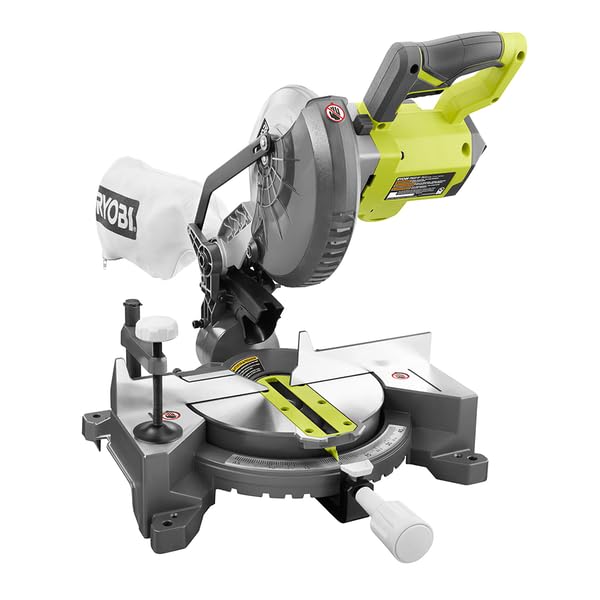 Lowest Weight StatedRYOBI 18V ONE+ Cordless Compound Miter Saw9.5/10View on Amazon
- 3
 Battery Kit IncludedVEVOR Cordless Sliding Compound Miter Saw9.5/10View on Amazon
A job site cut rarely waits for an outlet. The work sits on sawhorses or on a bench at the edge of a frame, the material needs a square end, and the crew needs to move on to the next piece. A cordless saw fits that rhythm because the battery travels with the saw, and the cut happens where the material lies. The best cordless chop saw for job site work is the saw whose stated voltage, blade size, speed, cut capacity and weight match the material and the distance the saw must travel in a day.
Three cordless saws are compared here, all from listings that state cordless power and a blade for site cutting. The Makita XSL02Z states 18V x2 brushless power at 5,700 RPM with a 7-1/2 in blade. The RYOBI states 18V ONE+ power with a 7-1/4 in blade and a 24-tooth carbide blade. The VEVOR states DC 18.5V power with a 7-1/4 in blade at 3800 RPM and a stated surface range that includes wood, metals, laminates and plastic. Those stated differences decide which saw suits a crew that already owns batteries, a crew that needs a kit in the box, and a crew that wants the highest stated speed.
Read the listings the way a shop foreman would read them. Voltage and RPM describe the motor, blade size and capacity describe the cut, weight describes the carry, and battery inclusion describes what else must be bought before the saw can run. A listing that states no RPM, no capacity or no warranty term is not hiding a figure; it simply does not state one, and this article writes Not stated in that place rather than filling the gap with a guess.
WeldGearLab gets a commission on purchases made through links on this page, and your price stays the same. Read our affiliate disclosure.
Quick picks
- Highest RPM Makita XSL02Z 18V X2 Brushless Miter Saw: 18V x2 brushless at 5,700 RPM, 28.2 lb stated with battery. Check price on Amazon
- Lowest Weight Stated RYOBI 18V ONE+ Cordless Compound Miter Saw: 18V ONE+ tool-only saw, 19 lb stated, 30-day warranty stated. Check price on Amazon
- Battery Kit Included VEVOR Cordless Sliding Compound Miter Saw: Cordless saw with battery and charger included and LED shadow guide. Check price on Amazon
The machines
| # | Product | Gear Score | Buy |
|---|---|---|---|
| 1 | Makita XSL02Z 18V X2 LXT Lithium-Ion Brushless | 9.6/10 | Buy on Amazon |
| 2 | ONEAND 18V Cordless 7-1/4 in. Compound Miter Saw | 9.5/10 | Buy on Amazon |
| 3 | VEVOR Sliding Compound Miter Saw | 9.5/10 | Buy on Amazon |
Makita XSL02Z 18V X2 LXT Lithium-Ion Brushless
18V x2 brushless 7-1/2 in dual-slide saw at 5,700 RPM, 28.2 lb with battery stated.
Pros
- 5700 RPM stated
- Brushless stated
- 2 x 12 in capacity stated
- 28.2 lb with battery stated
Cons
- Battery not included
- No warranty term stated
- No certification stated
- No cut count stated
ONEAND 18V Cordless 7-1/4 in. Compound Miter Saw
18V ONE+ 7-1/4 in compound miter saw, tool only, with a 30-day warranty stated.
Pros
- 18V ONE+ platform stated
- 30-day warranty stated
- 19 lb stated
- 24-tooth carbide blade stated
Cons
- Battery sold separately
- No RPM stated
- Not sliding
- No certification stated

VEVOR Sliding Compound Miter Saw
DC 18.5V cordless 7-1/4 in sliding saw with battery and charger included and LED shadow guide.
Pros
- Battery and charger included
- LED shadow guide stated
- 9.25 x 2.05 in capacity stated
- 23.2 lb stated
Cons
- No warranty term stated
- No certification stated
- Nonstandard battery stated
- Lowest performance score
Other welders and gear to compare
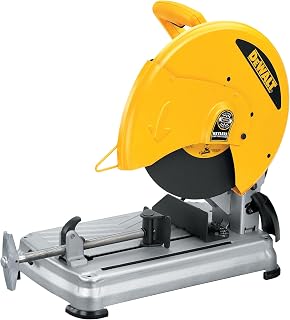 DEWALT Chop SawCheck price on Amazon
 APLMAN 6 Inch Cut off Saw Metal Cutting Chop Saw Miter SawCheck price on Amazon
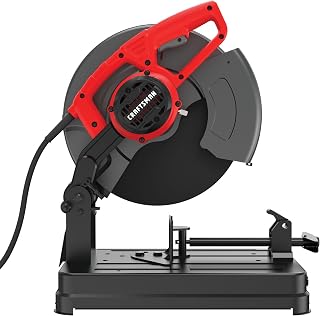 CRAFTSMAN Chop SawCheck price on Amazon
Spec sheet comparison
| Saw | Blade | Speed | Voltage | Battery |
|---|---|---|---|---|
| Makita XSL02Z 18V X2 Brushless Miter Saw | 7-1/2 in | 5,700 RPM | 18V x2 | Not included |
| RYOBI 18V ONE+ Cordless Compound Miter Saw | 7-1/4 in | Not stated | 18V | Sold separately |
| VEVOR Cordless Sliding Compound Miter Saw | 7-1/4 in | 3800 RPM | 18.5V DC | Included |
20 October 2026
Ratings in this table are the makers’ own claims taken from each product page. Where a listing gives a figure in its title and bullets and a different figure in its spec table, this article follows the title and bullets, and the product review notes the difference.
Buying guide: the best cordless chop saw for job site
Voltage and motor
Voltage is the first stated difference among these saws, and it shapes how each listing talks about power. The Makita XSL02Z states 18V x2 brushless power, which means power from a pair of batteries in the listing description, and it states 5,700 RPM for fast cutting. The RYOBI states 18V ONE+ power, a platform name that matters most to a crew that already owns batteries on that platform, and its listing states no RPM figure. The VEVOR states DC 18.5V power at 3800 RPM. A higher stated RPM does not by itself prove a better cut on every material, but it is the clearest stated speed difference here, and it belongs at the top of any comparison of these listings.
Blade and cut capacity
Blade size sets the scale of the saw, and capacity sets the size of the piece it can handle in one pass. The Makita XSL02Z states a 7-1/2 in blade with 2 by 12 in capacity at 90 degrees and 2 by 8 in at 45 degrees, plus a 4-steel rail sliding system that the listing links to rigidity and superior cuts. The RYOBI states a 7-1/4 in blade with a 24-tooth carbide blade, and it states a cutting angle of 45 degrees, but it states no cut capacity figure in the data shown here. The VEVOR states a 7-1/4 in blade with up to 9.25 by 2.05 in cutting capacity, a figure that reads differently from the lumber dimensions the Makita states, so the two capacity figures should not be treated as directly comparable without noting the units each listing uses.
For wide boards, the Makita stated 2 by 12 in figure is the capacity leader in lumber terms. For a mixed site load that includes laminates and plastic as well as wood, the VEVOR stated surface range is broader on paper, and its stated capacity figure should be checked against the actual piece before buying. Tooth count matters too: the RYOBI states a 24-tooth carbide blade, a detail that suits general site cutting, while the Makita and VEVOR listings state blade size and speed rather than leaning on tooth count in the data shown here.
Battery included or tool only
Battery inclusion is the most practical difference for a buyer, because it decides whether the saw can run on arrival. The VEVOR states battery and charger included, with a nonstandard battery noted in its spec table, so a buyer gets a running saw in the box and a battery that may not match other tools on the truck. The Makita XSL02Z states battery not included, and it states 28.2 lb with battery, a weight figure that assumes a battery is fitted even though the box does not include one. The RYOBI states battery and charger sold separately, and it is described as tool only in its title, so it suits a crew already on the 18V ONE+ platform and suits nobody who needs a first battery.
Cut line and guides
Seeing the cut line matters on a bright site, and the listings handle it in different ways. The VEVOR states a built-in LED shadow guide that marks the cutting path on the workpiece, plus a 0.1-degree scale for miter and bevel cuts, which the listing links to confident alignment and accurate angled cuts. The Makita XSL02Z states a 4-steel rail sliding system for rigidity, a mechanical guide story rather than a light story, and it states automatic speed change that adjusts cutting speed and torque during the cut. The RYOBI listing states no guide figure in the data shown here, so this guide does not credit it with a light or a shadow guide.
Weight and moving around the site
Weight decides how often the saw moves and how far it travels without a break. The RYOBI states 19 lb, the lowest stated weight here, and that figure suits a saw that moves from room to room or from truck to bench several times a day. The VEVOR states 23.2 lb, a middle weight that still suits site movement while carrying a battery and charger in the kit story. The Makita XSL02Z states 28.2 lb with battery, the heaviest stated weight here, and that weight comes with the largest stated blade and the widest stated lumber capacity, so the carry cost buys cut size.
Warranty and what it covers
Warranty wording is uneven across these listings, and the differences are worth reading closely. The RYOBI states a 30 Day Limited Warranty, the only concrete warranty term among these three listings, and its review and FAQ repeat that term exactly. The Makita XSL02Z listing states a warranty type described as limited warranty in its spec table, with a manufacturer description that gives no term, so this article scores its warranty at zero and writes no warranty term stated. The VEVOR listing states no warranty term in the data shown here, so it also scores zero on warranty and its cons say so plainly.
A short concrete term is more useful than a vague warranty label, because it tells the buyer how long the maker stands behind the listing claim. A listing with no term stated is not necessarily a poor saw, but the buyer should not assume cover that the listing does not state. Check the listing again before buying if warranty cover matters for the job, and keep the purchase record, since a concrete term like the RYOBI 30 Day Limited Warranty can only be used if the buyer can show the purchase and the date.
Material range and site work
Material range is where these listings diverge most clearly, and it should shape the choice for metal and mixed-material site work. The VEVOR states a surface recommendation of wood, metals, laminates and plastic, the broadest stated range here, and its title repeats cutting wood, metals and laminates. The Makita XSL02Z states a surface recommendation of wood, and its bullets describe dimensional lumber cutting capacity, so its stated story is lumber and site carpentry rather than metal. The RYOBI states a surface recommendation of wood, with a 24-tooth carbide blade and a tool-only 18V ONE+ story, so its stated story is also wood site work.
That difference matters for a welding and fabrication site, where a saw may be asked to trim lumber for a jig one day and cut a different material the next. A saw whose listing states metals in its surface range gives the buyer a stated basis for that work, while a saw whose listing states wood only should not be assumed to cover metal work that its listing never states. This article therefore treats the VEVOR as the broadest stated material range, treats the Makita as the lumber capacity leader, and treats the RYOBI as the lowest-weight platform saw for wood site work, with each claim tied to the listing that states it.
Before You Strike an Arc
- Confirm the battery platform and inclusion wording in the listing before leaving the shop, so the saw can run on arrival.
- Check that the stated blade size and tooth count suit the material the listing states, and do not assume a wood listing covers metal work.
- Check the stated cut line guide and angle scale, and lock the angle setting before the first cut.
- Check the work support and clamping for the piece, and keep the cut area clear of loose material and cords.
- Check the stated weight as carried with battery where the listing states it, and plan the carry route before moving the saw.
FAQ for welders
Which of these states the highest RPM?
The Makita XSL02Z states 5,700 RPM, the highest stated speed here. The VEVOR states 3800 RPM. The RYOBI states no RPM figure in the data shown here, so it cannot be ranked on speed from its listing alone.
Which states the lowest weight?
The RYOBI states 19 lb, the lowest stated weight here. The VEVOR states 23.2 lb. The Makita XSL02Z states 28.2 lb with battery, the heaviest stated weight here, and that figure is stated with battery fitted.
Which includes the battery?
The VEVOR states battery and charger included. The Makita XSL02Z states battery not included. The RYOBI states battery and charger sold separately, and its title describes it as tool only.
Which states a warranty?
The RYOBI states a 30 Day Limited Warranty, the only concrete warranty term among these listings. The Makita XSL02Z and the VEVOR state no warranty term in the data shown here, so this article writes no warranty term stated for both.
What cut capacity does each listing state?
The Makita XSL02Z states 2 by 12 in capacity at 90 degrees and 2 by 8 in at 45 degrees. The VEVOR states up to 9.25 by 2.05 in cutting capacity. The RYOBI states no cut capacity figure in the data shown here, so its capacity is written as Not stated rather than guessed from its blade size.
Scoring, line by line
Each saw is scored on performance, build, value, safety listing and warranty, using only what its listing states. A strong stated motor and a wide stated capacity lift performance. A clear stated blade, a stated sliding system and a stated weight that suits site movement lift build. A kit that includes battery and charger, or a tool-only saw that fits a battery platform the crew already owns, can lift value in different ways. Safety listing and warranty only score where the listing states a safety feature or a concrete warranty term; where nothing is stated, the score for that criterion is zero and the article says so plainly.
| Product | Gear Score | Perf. /35 | Build /25 | Value /25 | Safety /10 | Warranty /5 |
|---|---|---|---|---|---|---|
| Makita XSL02Z 18V X2 Brushless Miter Saw | 9.6 | 33 | 24 | 22 | 0 | 0 |
| RYOBI 18V ONE+ Cordless Compound Miter Saw | 9.5 | 28 | 21 | 20 | 0 | 2 |
| VEVOR Cordless Sliding Compound Miter Saw | 9.5 | 29 | 21 | 20 | 0 | 0 |
The lowest score we show is 9.2 and the highest is 9.8; every point total is spread proportionally across that span, so extra points mean a higher figure.
More welding guides
Related: chop saw vs horizontal band saw, dry cut saw vs abrasive chop saw and portable band saw vs chop saw.