ABC vs CO2 Fire Extinguisher: Which One Should You Buy?
ABC dry chemical and CO2 fire extinguishers compared for the welding shop: what each handles, residue, and the four ABC extinguishers in the gear list.

On this page
Top picks at a glance
As an Amazon Associate I earn from qualifying purchases.
- 1
 First Alert Fire Extinguisher9.7/10View on Amazon
- 2
 First Alert Fire Extinguisher9.7/10View on Amazon
- 3
 Kidde Pro 340 Commercial Fire Extinguisher9.7/10View on Amazon
- 4
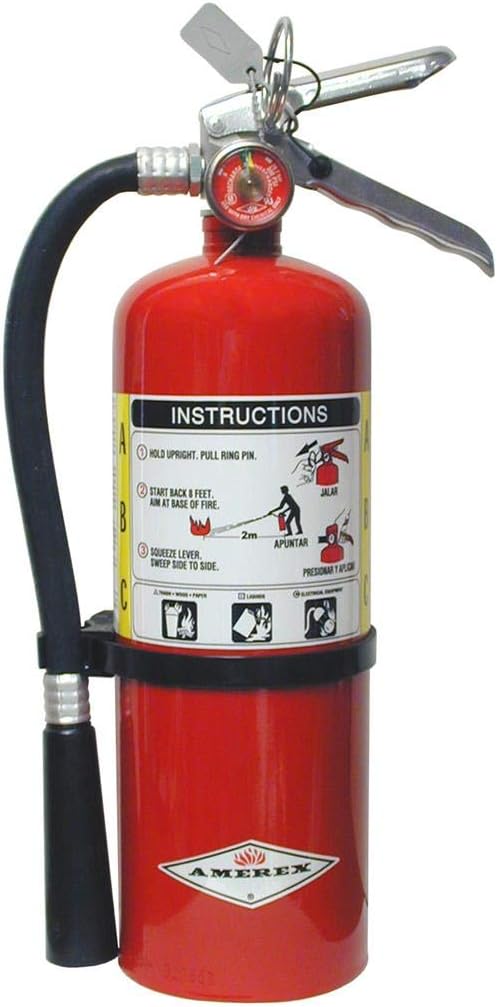 Amerex B500 Fire ExtinguisherView on Amazon
- 5
 ABC Fire Extinguisher for Home & VehicleView on Amazon
- 6
 Ougist ABC Fire Extinguisher for Home & VehicleView on Amazon
- 7
 Buckeye 10914 ABC Multipurpose Dry Chemical Hand Held FireView on Amazon
- 8
 Strike First ABC Fire Extinguisher 5 lbView on Amazon
- 9
 Ougist ABC Dry Chemical Fire ExtinguisherView on Amazon
For the welding shop, the abc vs co2 fire extinguisher question has a clear default: buy ABC. An ABC dry chemical extinguisher fights wood, paper, trash, plastics, gasoline, oil and electrical-equipment fires, which is the full menu of shop fire risks. CO2 earns its place as the second extinguisher, for electrical equipment areas where powder residue adds cleanup. Here is the full comparison.
Other welders and gear to compare
 Amerex B500 Fire ExtinguisherCheck price on Amazon
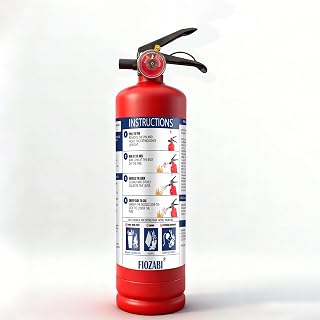 ABC Fire Extinguisher for Home & VehicleCheck price on Amazon
 Ougist ABC Fire Extinguisher for Home & VehicleCheck price on Amazon
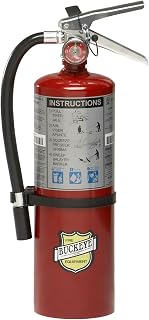 Buckeye 10914 ABC Multipurpose Dry Chemical Hand Held FireCheck price on Amazon
 Strike First ABC Fire Extinguisher 5 lbCheck price on Amazon
 Ougist ABC Dry Chemical Fire ExtinguisherCheck price on Amazon
WeldGearLab gets a commission on purchases made through links on this page, and your price stays the same. Read our affiliate disclosure.
The difference in one paragraph
ABC extinguishers spray mono ammonium phosphate dry chemical powder that smothers multiple fire classes at once. CO2 extinguishers discharge carbon dioxide gas that displaces oxygen and leaves no residue. ABC is the versatile all-rounder; CO2 is the specialist for electrical equipment and clean spaces where powder cleanup adds work.
ABC vs CO2 fire extinguisher: side by side
An ABC unit covers Class A (wood, paper, trash), Class B (flammable liquids) and Class C (electrical) fires in one bottle. The listings here rate the First Alert HOME2PRO and Kidde Pro 210 at 2-A:10-B:C and the First Alert HOME1 and Kidde Basic 110 at 1-A:10-B:C. The listings here feature ABC units only, so CO2 appears here as the companion type, not as a listed pick.
The residue question decides the specialist pick. ABC powder leaves residue to clean from tools and machinery. CO2 leaves nothing behind, which is why a CO2 unit is the companion pick for electrical equipment areas even when ABC is the primary extinguisher.
| Model | Agent type | UL rating | Weight | Warranty |
|---|---|---|---|---|
| First Alert HOME2PRO | ABC dry chemical | 2-A:10-B:C | 9.6 lb | 12-year limited |
| Kidde Pro 210 | ABC dry chemical | 2-A:10-B:C | 6.5 lb | Not stated |
| First Alert HOME1 | ABC dry chemical | 1-A:10-B:C | 4.5 lb | 10-year limited |
| Kidde Basic 110 2-pack | ABC dry chemical | 1-A:10-B:C | 7.5 lb | 6-year limited |
When ABC is the better choice
ABC is the better choice as the one extinguisher every shop owns. Welding shops burn wood pallets, paper, rags, trash and packaging, spill cutting oil and gasoline, and run electrical equipment everywhere: the listings describe exactly this coverage for the ABC units. If you buy one extinguisher, buy ABC. The First Alert HOME2PRO carries a 2-A:10-B:C rating, rechargeable by certified professionals, with a 12-year limited warranty; the Kidde Pro 210 matches the 2-A:10-B:C rating with a 13 to 15 second discharge and a 12 to 18 foot range at 6.5 lb.
When CO2 is the better choice
CO2 is the better choice where powder residue is the problem. An electrical panel fire, a welder control box, a computer or battery charger: CO2 discharges gas and leaves no residue. It is also the pick for tight indoor spaces where a cloud of dry chemical powder would be hard to clear. Note the listings here feature ABC units only; treat CO2 as the companion purchase, not the replacement.
The gear: four ABC extinguishers, ranked
First Alert HOME2PRO. The top pick: UL rated 2-A:10-B:C, rechargeable by certified professionals, all-metal construction with a commercial-grade metal valve, 9.6 lb, and a 12-year limited warranty. It meets minimum 2-A:10-B:C code requirements, which matters for commercial shops.
Kidde Pro 210. Second: commercial 2-A:10-B:C rating, rechargeable, 13 to 15 second discharge with a 12 to 18 foot range at 100 PSI, all-metal valve assembly, 6.5 lb of unit weight with 4 lb of dry chemical. The discharge numbers are the most detailed here.
First Alert HOME1. Third: UL rated 1-A:10-B:C, rechargeable, metal pull pin with safety seal, corrosion-resistant color-coded gauge, 4.5 lb, 10-year limited warranty, and US Coast Guard approval for marine use. The lighter home-shop pick.
Kidde Basic 110, 2-pack. Fourth: 1-A:10-B:C, 2.5 lb of dry chemical per unit, aluminum construction, 6-year limited warranty, 12-year service-free design, residential single-use only. Two units cover two spots in the shop, but single-use means replace after discharge.
Sizing the extinguisher to the shop
Match the rating to the risk. A home garage with hand tools does fine at 1-A:10-B:C, the rating on both the First Alert HOME1 and the Kidde Basic 110; a workshop with fuel, solvents and a welder wants 2-A:10-B:C, the rating on the First Alert HOME2PRO and the Kidde Pro 210, which the HOME2PRO listing says meets minimum code requirements. Weight decides where it hangs: the 4.5 lb HOME1 and the 2.5 lb of agent per Kidde unit mount anywhere, while the 9.6 lb HOME2PRO wants a solid stud. Check the discharge specs before you buy: the Kidde Pro 210 lists 13 to 15 seconds of discharge, a 12 to 18 foot range and 100 PSI, the most detailed numbers here, and that range tells you how far you stand from the fire. Buy for rechargeability if the shop sees real risk: the HOME1, HOME2PRO and Pro 210 are rechargeable by certified professionals, while the Kidde Basic 110 is residential single-use only, so one discharge means replacement. The 2-pack Kidde covers two spots in the shop, but each unit is single-use.
What the ratings mean
The UL rating reads as Class A, Class B, Class C. The A number is a relative measure of water equivalency against wood and paper fires; the B number is the approximate square footage of flammable liquid fire it handles; C means safe on energized electrical equipment. A 2-A:10-B:C unit like the HOME2PRO and Pro 210 outranks a 1-A:10-B:C unit like the HOME1 and Basic 110 on the A side. All four are multi-purpose ABC units. When buying, match the rating to the shop: a home garage is well served by 1-A:10-B:C, while a commercial shop should meet the 2-A:10-B:C code minimum the HOME2PRO listing names.
FAQ for welders
Can I use an ABC extinguisher on an electrical fire?
Yes: the C in the rating means it is safe on energized electrical equipment. The powder leaves residue to clean from the equipment, which is why a CO2 unit is the companion pick for electrical equipment areas.
Can I use a CO2 extinguisher on a wood fire?
Use ABC on wood, paper and trash: the listings here rate the ABC units for those fires, and the listings feature ABC units only.
Are these extinguishers rechargeable?
The First Alert HOME2PRO, HOME1 and Kidde Pro 210 are rechargeable by certified professionals after use. The Kidde Basic 110 is residential single-use only and is replaced after discharge.
How many extinguishers does a shop need?
At minimum one ABC within reach of the work area. A second ABC at the other end of the shop is the setup these ratings suggest. Check local code: the HOME2PRO meets minimum 2-A:10-B:C code requirements.
Does ABC powder expire?
The Kidde Basic 110 lists a 12-year service-free design, and the First Alert units carry 10 and 12-year limited warranties. Check the gauge regularly: the listings note color-coded, easy-to-read gauges, and the Kidde notes that green means charged.
More welding guides
Also see our best fire extinguisher for welding shop. Also see our best fire extinguisher for mobile welding. Also see our welding safety gear checklist for beginners.