Shop Vac vs Fume Extractor: Which One Should You Buy?
Shop vac vs fume extractor explained for small weld shops: what each tool does, when each earns its floor space, plus four shop vacs from their listings.

On this page
Top picks at a glance
As an Amazon Associate I earn from qualifying purchases.
- 1
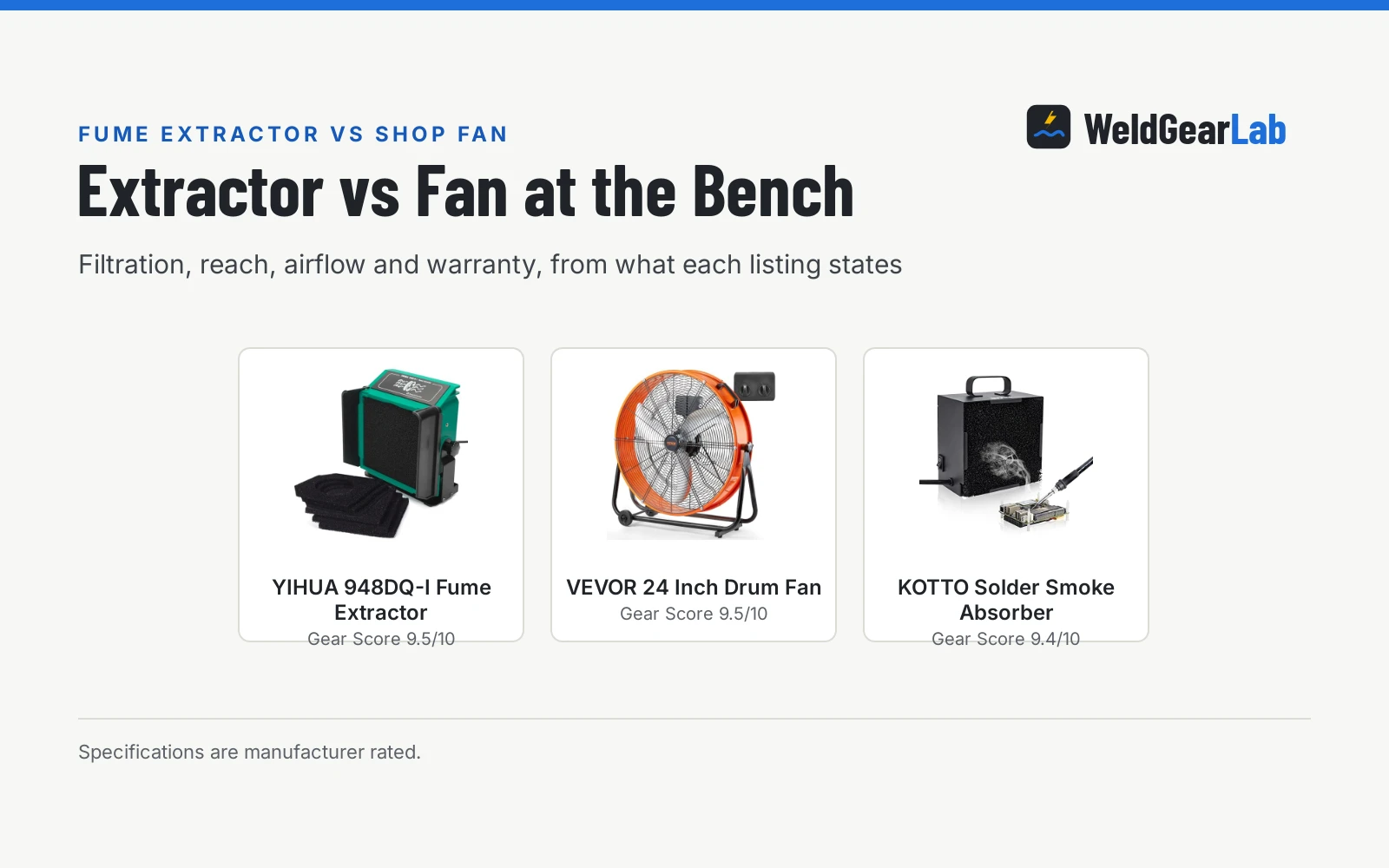
 VEVOR Drum Fan9.5/10View on Amazon
- 2
 YIHUA 948DQ-I Solder Fume Extractor with Tiltable Angle9.5/10View on Amazon
- 3
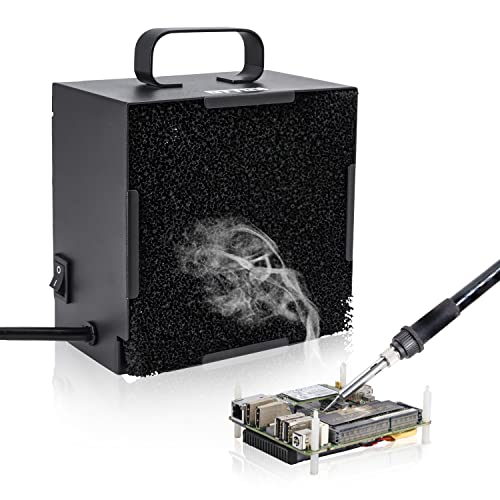 KOTTO Solder Smoke Absorber Remover Fume Extractor Soldering9.4/10View on Amazon
- 4
 Armor All VO405P 0901 4 Gallon Wet/Dry Vac 2.0 Peak HP ShopView on Amazon
- 5
 Shop-Vac 1.5 Gallon 2.0 Peak HP Wet/Dry VacuumView on Amazon
You finish a pass on a gate frame and the smoke hangs over the bench, gray and sour. Shop vac vs fume extractor is the question of what you actually want that smoke to do. A shop vac cleans the floor and the bench, while a fume extractor pulls smoke out of the air at the weld. This guide explains what each one is for, when each earns its floor space, and how to set up a small shop so you are not breathing your own plume.
Other welders and gear to compare
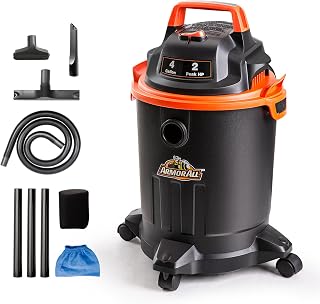 Armor All VO405P 0901 4 Gallon Wet/Dry Vac 2.0 Peak HP ShopCheck price on Amazon
 Shop-Vac 1.5 Gallon 2.0 Peak HP Wet/Dry VacuumCheck price on Amazon
This guide links to our product roundups, where WeldGearLab gets a commission on purchases made through links on this page, and your price stays the same. Read our affiliate disclosure.
Shop vac vs fume extractor: the difference in one paragraph
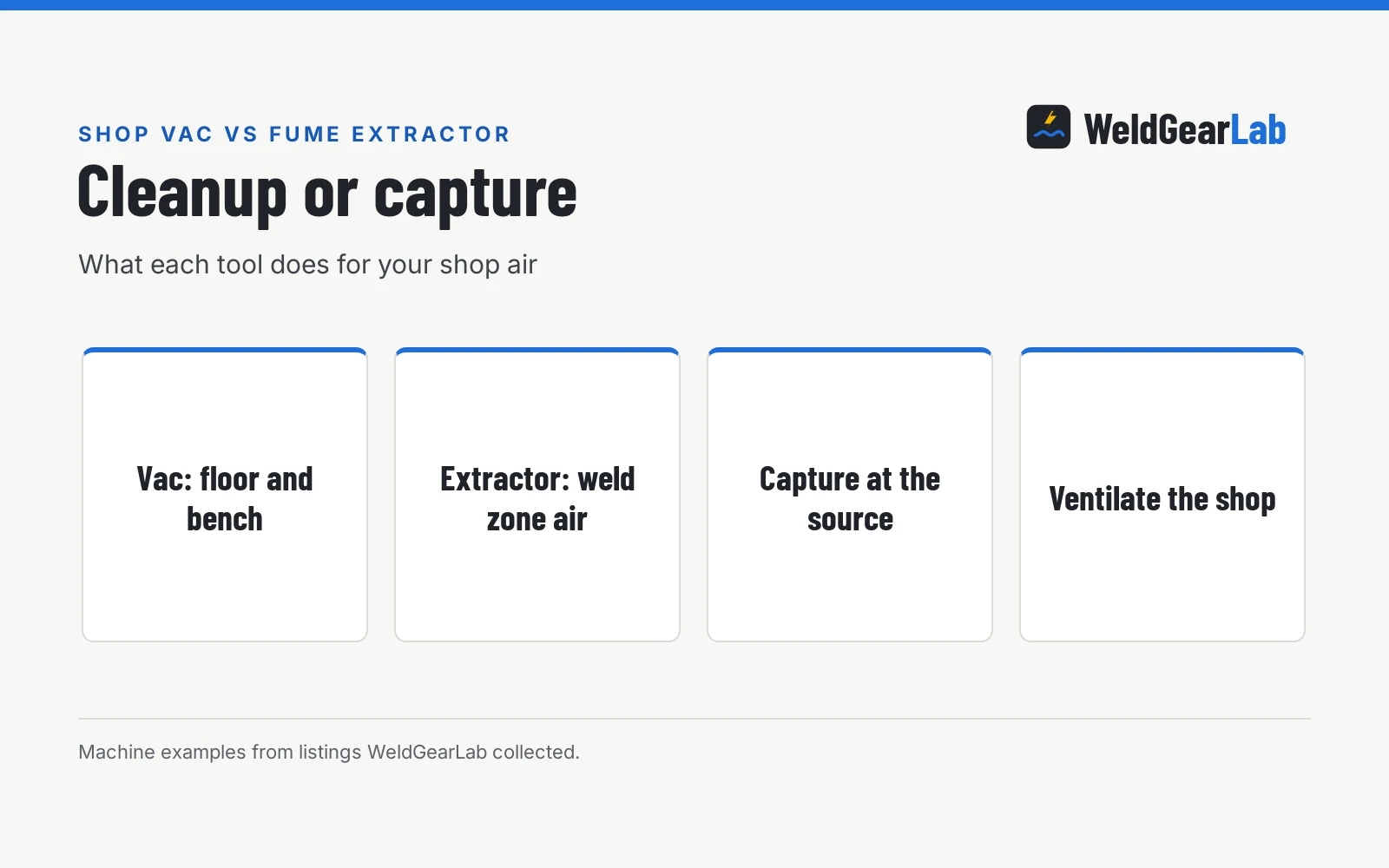
They move air for opposite reasons. A shop vac is a cleanup tool: made to pull chips, dust and water off surfaces through a hose and into a canister. A fume extractor is an air cleaning tool: it draws smoky air through a hood or arm and traps fine particles in a filter, keeping the plume out of the room air. One handles what fell down, the other handles what floats.
Side by side
| Shop vac | Fume extractor | Shop takeaway | |
|---|---|---|---|
| Job | Pulls dust, chips and water off surfaces | Pulls smoke out of the air near the weld | Different jobs, not interchangeable |
| Airflow examples | Listings here state 49 and 155 CFM, through a short hose | Sized for a hood or arm, not for the floor | Match the tool to the job, not the airflow figure |
| Filtration | Cartridge or filter bag; one lists a dust collection bag | Multi stage, with a fine filter for small particles | Filters decide what stays out of the air |
| Best at | Cleanup after grinding, cutting and general shop mess | Keeping the weld plume out of your breathing zone | Use the vac after the work, the extractor during it |
| Does not do | Filtering weld fume out of the air | Picking up chips, dust or water from surfaces | Neither tool covers both jobs |
The four vacs covered below are the two DEWALT and two CRAFTSMAN wet dry vacs from the listings, sold as general shop cleanup, not fume extraction, and none of their listings claims fume filtering. That distinction matters: suction strength does not make a filter fine enough for weld fume.
When a shop vac is the right tool
- After grinding and cutting. Once the work has cooled, a shop vac with a hose and crevice tool pulls scale, chips and dust off the table and floor fast. Never vacuum hot sparks or slag; embers caught in a filter bag are a fire risk.
- Wet jobs. Both CRAFTSMAN vacs here list wet and dry pickup, useful when a project brings rain or coolant into the shop.
- Small shops and tight spaces. A compact canister on wheels or with a carry handle tucks under a bench.
- Blowing out corners. Three of these listings state a blower port, handy for chasing dust out of a cabinet or across the floor before you sweep.
For grinding dust control at the source, pair the vac habit with our best dust shroud picks, which capture dust where the wheel meets the metal.
When a fume extractor is the right tool
- Welding in a small or closed shop. An extractor hood placed near the work draws the plume sideways, away from your face, instead of letting it rise into your helmet zone.
- Galvanized steel and coatings. When welding coated steel, keep capture at the source in place and follow the safety data for the material being welded.
- Long beads indoors. A fan cracked in the door is not doing the same job. An extractor keeps pulling for the whole shift.
- Neighbors and shared spaces. Recirculating filtered air beats pushing smoke out a window when someone else’s bay is next door.
A welding blanket handles spatter and heat shielding; the extractor handles what the air carries. They cover different jobs.
The shop vacs we looked at, ranked
These are cleanup machines from the listings, listed in ranked order below. None is a fume extractor.
1. DEWALT 6 Gal 4 HP Poly Wet Dry Vacuum (DXV06P). The listing states 6 gallon capacity, 50 inches of maximum suction, a 7 foot hose, a 10 foot cord and a built in blower port, with 4 rubberized casters for rolling around the shop. It weighs 14.8 pounds. No warranty term is stated in the listing.
2. CRAFTSMAN 16 Gallon 6.5 Peak HP (CMXEVBE17595). The title states 16 gallon capacity, though the spec table says 12 gallon, so take the capacity with a grain of salt. The listing states 155 CFM, a 7 foot Dual Flex hose, a 20 foot cord, a built in oversized drain and a 3 year limited warranty. It weighs 26 pounds, the heaviest of the four, and lists both 75 and 77 dB for noise, another listing conflict.
3. CRAFTSMAN 2.5 Gallon 2.5 Peak HP (CMXEVBE17250). A small canister the listing calls portable, with 49 CFM, 50 inches of maximum suction, 72 dB, a 5 foot hose, a 10 foot cord and a blower port. It weighs 6.7 pounds and carries a 3 year limited warranty. A bench top and car size vac, and the lowest noise stated of the four.
4. DEWALT 4 Gal 5.0 HP Poly Wet Dry Vacuum (DXV04T). The listing states 4 gallon capacity, a 7 foot hose, 2 wheels and 80 dB noise, the highest stated of the four. The bullets repeat the title and add little, which makes it hard to compare against the others. No warranty term is stated in the listing.
Setting up for cleaner air
Keep your head out of the rising plume, and position the extractor hood close to the work so it draws the plume before it reaches your breathing zone. When welding galvanized steel, follow the safety data for the material and keep extraction and ventilation in place, and clear the area of dry debris and flammables before you strike an arc. Work near an open door or with a fan moving air when the shop is closed up. See the OSHA welding overview and our Safety Disclaimer.
FAQ for welders
Can a shop vac replace a fume extractor?
No. A shop vac moves air to pick debris off surfaces, and its filter is not fine enough for weld fume. Fume capture needs a hood or arm positioned at the work and a filter meant for fine particles.
Will a shop vac clear welding smoke from the room?
Not usefully. Vacuums listed here state airflow like 49 and 155 CFM, meant for a hose a few feet long, not room turnover. If the shop air is hazy, add an extractor or ventilate, then use the vac for the dust that settles.
What capacities do the listings state?
The listings state 2.5 gallon, 4 gallon, 6 gallon and 16 gallon in their titles. The CRAFTSMAN 16 gallon title conflicts with its 12 gallon spec table entry, and the DEWALT listing states 6 gallon capacity, a 7 foot hose and a 10 foot cord.
Does a fume extractor replace ventilation?
Think of it as capture, not replacement. Keep general ventilation going and keep your head out of the plume. The extractor reduces what the room air sees, but it does not turn a sealed shop into fresh air.
Do I still need a respirator with an extractor?
Follow your shop rules and the safety data for what you weld. An extractor is an engineering control, and respirator use depends on the job, the exposure and the policy you follow. This site is not giving medical advice, so check OSHA guidance and your manual.
Related: best dust shroud, fiberglass vs cotton welding blanket, and the welding safety gear hub.