Welding Fume Extractor vs Respirator: Which One Should You Buy?
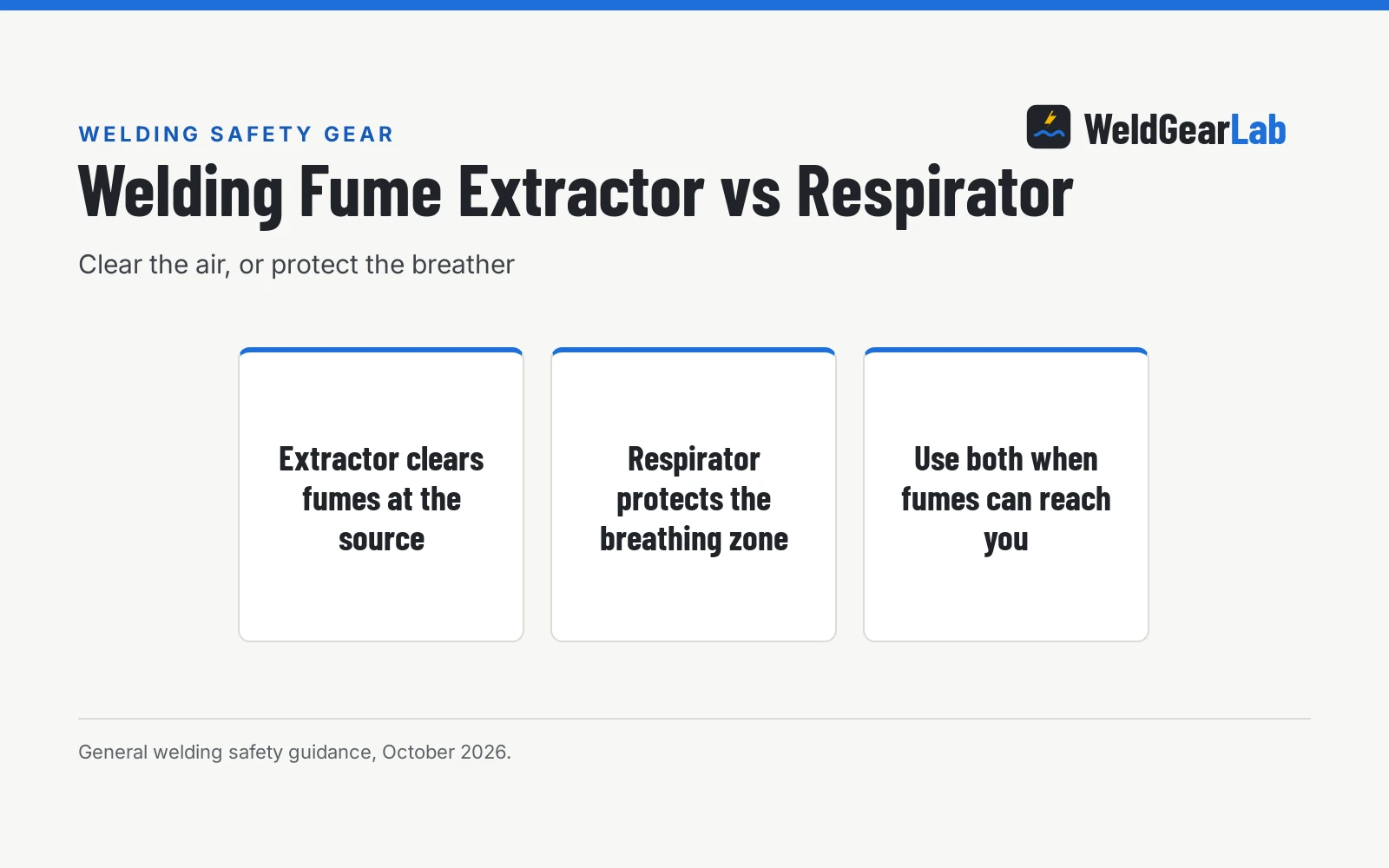
Fume extractors clear fumes at the source; respirators protect your breathing zone. Learn how the two approaches differ, when each one fits, and when to use both together.

On this page
Top picks at a glance
As an Amazon Associate I earn from qualifying purchases.
- 1
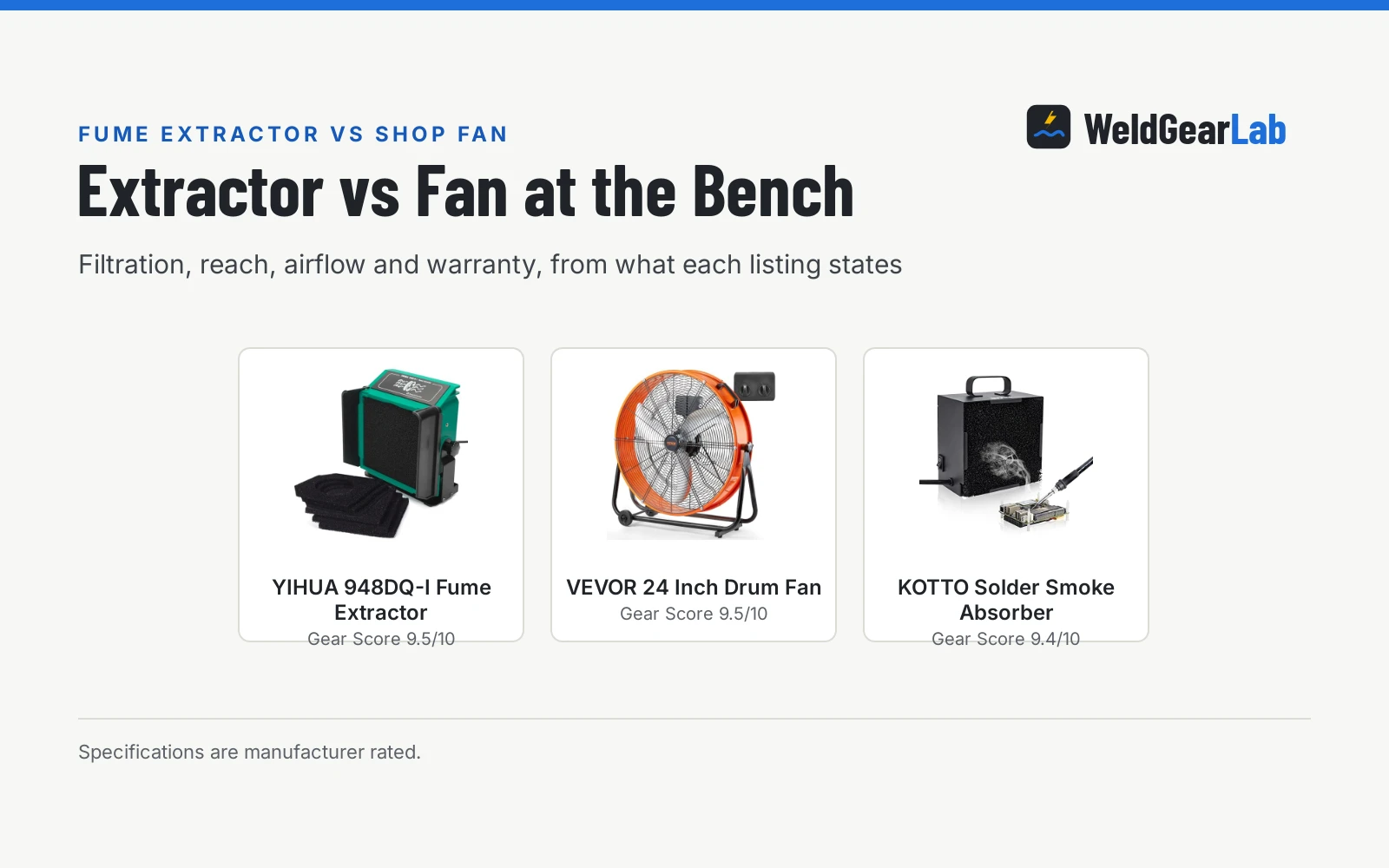
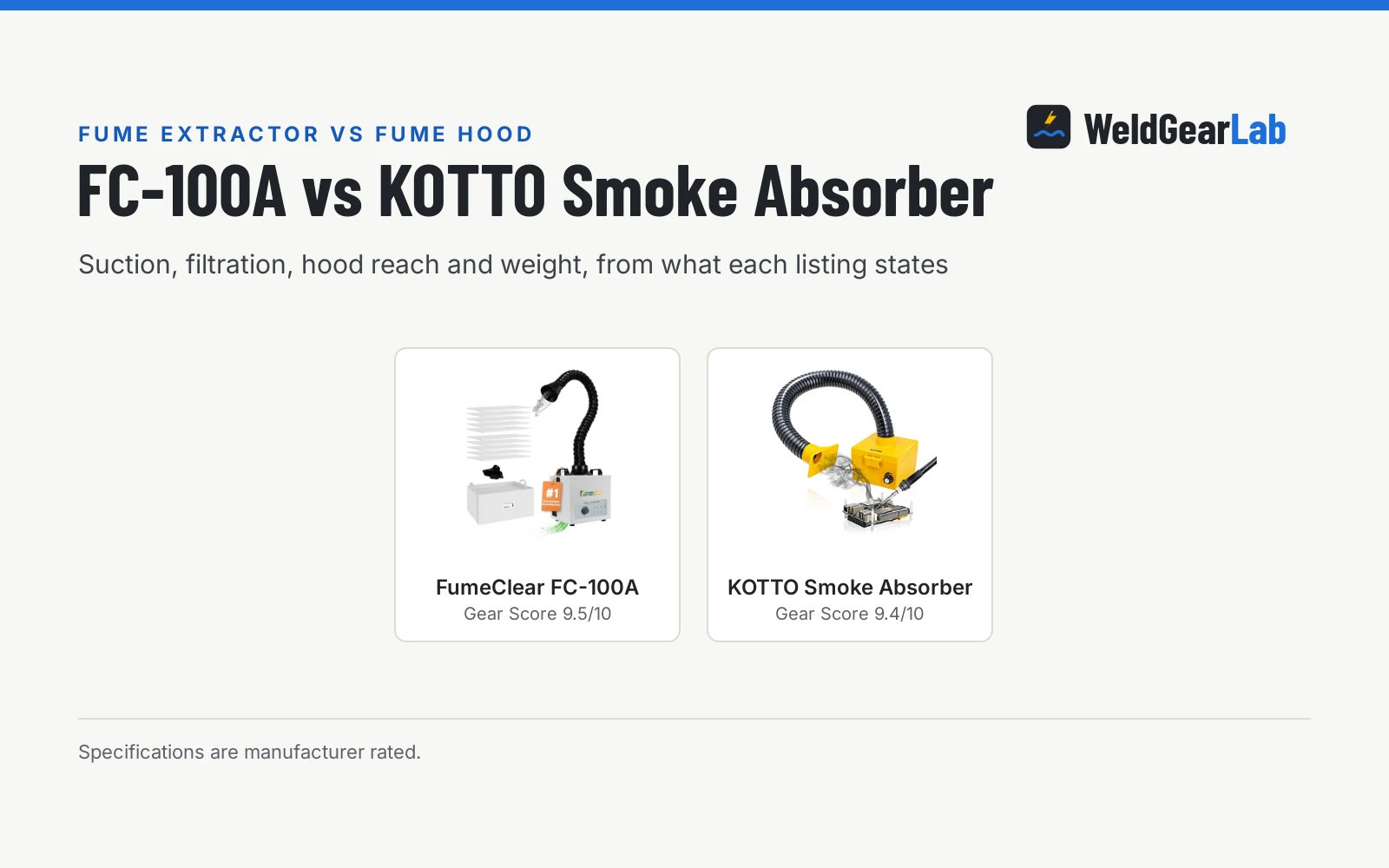
 YIHUA 948DQ-I Solder Fume Extractor with Tiltable Angle9.5/10View on Amazon
- 2
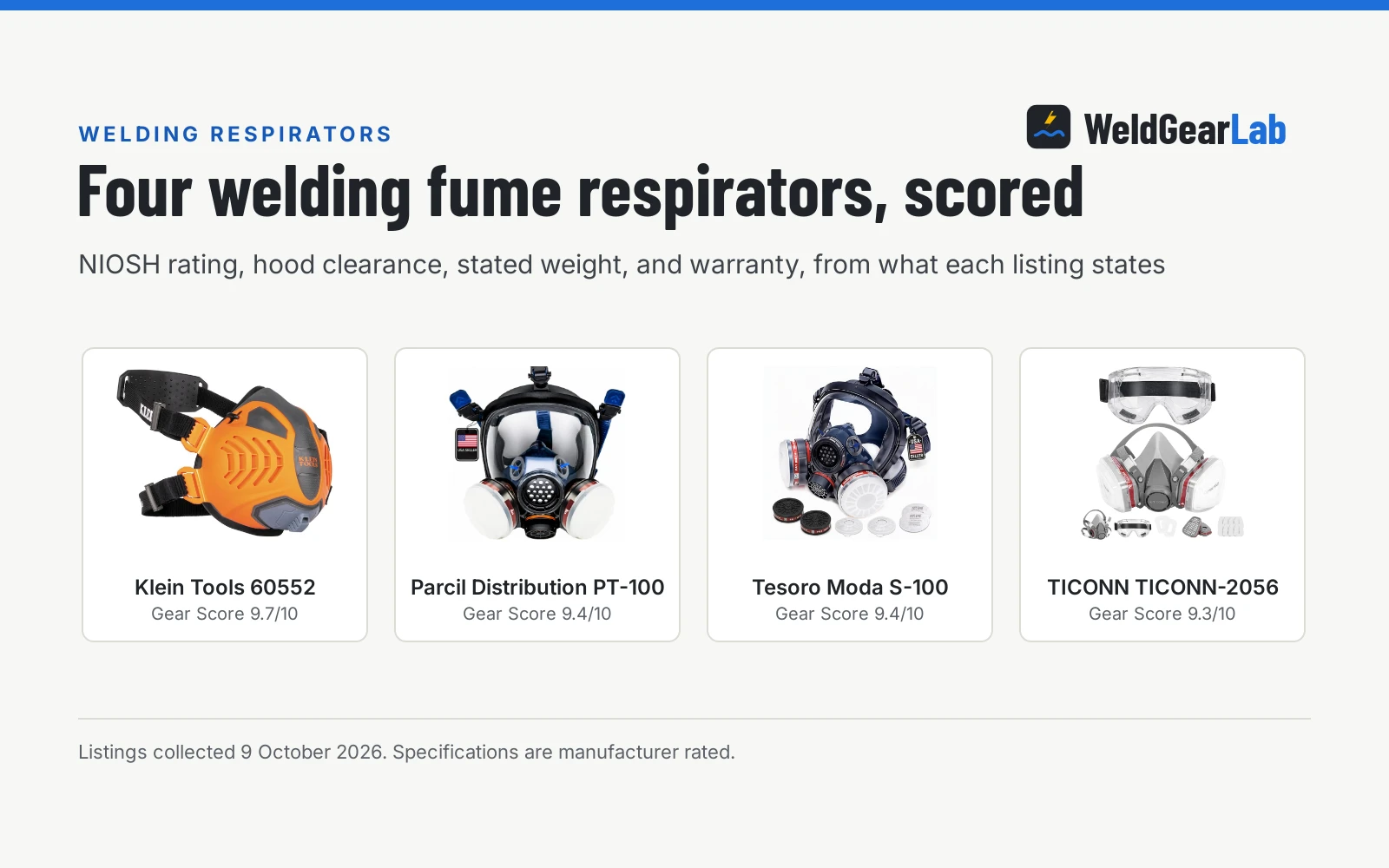
 GVS SPR457 Elipse P100 Dust Half Mask Respirator with9.7/10View on Amazon
- 3
 3M Rugged Comfort Half Facepiece Reusable Respirator 6503View on Amazon
- 4
 3M Particulate Disposable Respirator 8214View on Amazon
- 5
 3M Particulate Disposable Respirator 8210View on Amazon
- 6
 3M 8511 N95 Cool Flow Valved RespiratorView on Amazon
- 7
 3M Half Facepiece Reusable Respirator 6300View on Amazon
- 8
 3M™ Aura™ N95 Particulate RespiratorView on Amazon
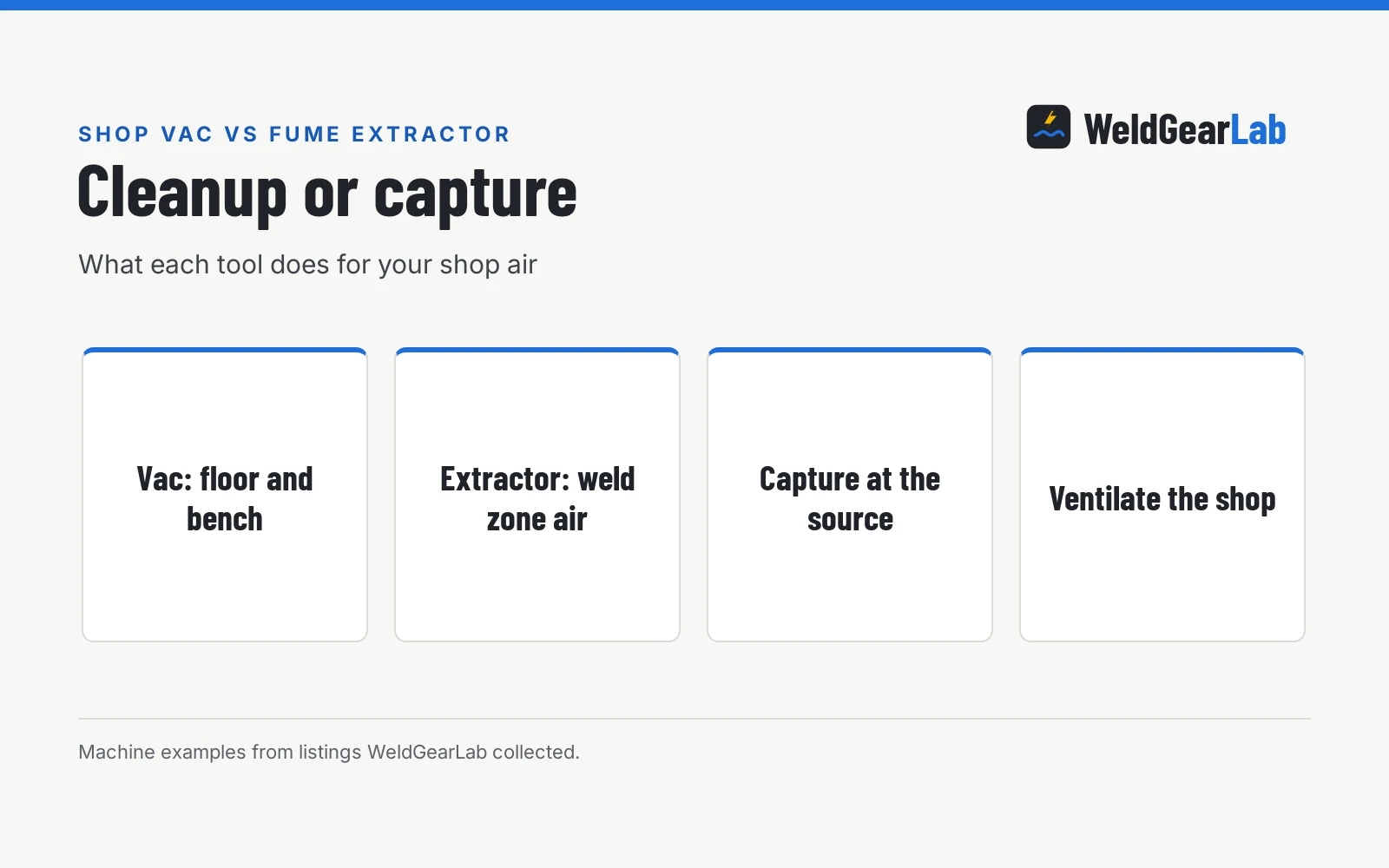
Welding fume extractor vs respirator is a source-versus-wearer question, and the direct answer is that they do different jobs. An extractor removes fumes from the air around the weld before they spread. A respirator filters the air you breathe when fumes reach you anyway. For most shop work the right answer is not one or the other: use an extractor to clear the air at the source, and add a respirator when your position, the space, or the job means fumes can still reach your breathing zone.
Other welders and gear to compare
 3M Rugged Comfort Half Facepiece Reusable Respirator 6503Check price on Amazon
 3M Particulate Disposable Respirator 8214Check price on Amazon
 3M Particulate Disposable Respirator 8210Check price on Amazon
 3M 8511 N95 Cool Flow Valved RespiratorCheck price on Amazon
 3M Half Facepiece Reusable Respirator 6300Check price on Amazon
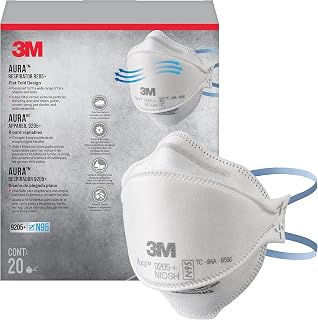 3M™ Aura™ N95 Particulate RespiratorCheck price on Amazon
WeldGearLab gets a commission on purchases made through links on this page, and your price stays the same. Read our affiliate disclosure.
Welding fume extractor vs respirator: the short answer
Pick an extractor when you can put capture close to the weld and keep it there: a bench job, a fixed workstation, or a shop corner where the work stays in one place. Pick a respirator when the work moves, when you weld overhead or in a tight spot, or when the shop air stays still and fumes linger around you. Where the extractor cannot keep your breathing zone clear, the respirator is the second layer, not a replacement for clearing the air. The two approaches complement each other, and neither one makes the other unnecessary.
Side by side
| Topic | Fume extractor | Respirator | Takeaway |
|---|---|---|---|
| What it protects | The air around the weld | Your breathing zone | Different jobs |
| How it works | Captures fumes at the source | Filters the air you breathe | Source versus wearer |
| Best when | Work stays in one spot | Work moves or air stays still | Match it to the job |
| Main limit | Misses fumes that drift past it | Does not clear the shop air | Neither covers everything alone |
| Together | First layer at the bench | Second layer on the wearer | Use both when needed |
The table states the distinction in plain terms: an extractor works on the shop air, a respirator works on the air you breathe. That is why comparing them on a single number misses the point. An extractor is judged by whether it captures fumes at the weld and where the captured air goes. A respirator is judged by fit, by the filter type it uses, and by whether it sits well under your helmet. Keep those two questions separate when you shop, and the choice gets much clearer.
When an extractor is the better choice
- Fixed bench work. The weld stays in one place, so capture can stay close to the arc for the whole job.
- Repeated jobs in the same spot. A set capture position pays off every time you return to that bench.
- Shared shop air. Clearing fumes at the source helps everyone in the room, not only the welder.
- Long runs of the same weld. Steady work in one position lets capture do its job without being moved and re-aimed.
An extractor earns its place by keeping fumes out of the room air in the first place. That only works when the capture point stays near the weld: move the work away from it, and the benefit drops fast. Plan the bench layout around capture, and keep the path from the weld to the capture point short and clear.
When a respirator is the better choice
- Work that moves around the shop. A respirator travels with you when the weld does not stay at one bench.
- Overhead and awkward positions. A respirator travels with you when the weld moves overhead or into a tight spot.
- Still or poorly ventilated corners. Where shop air does not carry fumes away, a respirator covers the gap.
- Short jobs away from the bench. A repair in the field or on a vehicle rarely has capture waiting nearby.
Our PAPR vs half mask welding respirator comparison covers the respirator side in detail, and welding respirator for aluminum covers respirator picks for that material. Check the stated filter type of any respirator against the work you do, and check that it fits under your helmet without breaking the seal. A respirator that does not fit is not doing its job, however good its filter looks on paper.
Using both together
The strongest everyday setup in a small shop is both layers at once: an extractor clearing fumes at the source, plus a respirator for the fumes that still reach you. That combination covers the two failure modes of each approach alone. The extractor misses fumes that drift past capture, and the respirator cannot clear the air for anyone else in the room. Together, each one covers what the other misses.
Keep your head out of the visible plume, ventilate the space, and check the guidance for the material and for the respirator you plan to use before you strike an arc. If you cannot keep fumes out of your breathing zone with capture and ventilation, do not rely on a single layer: stop and improve the setup.
How to choose
Start with the space, not the product. If your work stays at one bench with room for capture nearby, an extractor is the first purchase. If your work moves, if you weld overhead, or if the shop has still corners where fumes hang, a respirator is the first purchase. If either answer is yes for part of your work, plan for both and use them together on those jobs.
Then check the practical details. For an extractor, check where captured air goes and whether your space allows that route. For a respirator, check fit under your helmet, the filter type, and how often filters need changing for the work you do. Neither choice is a one-time purchase: filters wear out, capture positions drift, and a setup that worked for bench work may not suit a job out in the yard.
FAQ for welders
Can an extractor replace a respirator?
Not fully. An extractor clears fumes at the source, while a respirator protects your breathing zone when fumes reach you anyway. They complement each other, so treat the respirator as a second layer rather than a substitute. Where fumes can reach you, use both.
When is a respirator needed even with an extractor?
A respirator is needed when the work moves away from capture, when you weld overhead, or when the shop air is still and fumes linger around you. In those cases capture alone cannot keep your breathing zone clear. The respirator covers the gap that the extractor leaves.
Does an extractor clear the whole shop?
No, an extractor works where its capture reaches, not across the whole room. Fumes that drift past capture stay in the shop air until ventilation moves them out. That is why room ventilation still matters, and why a respirator helps when you work away from capture.
What should I check before choosing a respirator?
Check the stated filter type against the fume you will meet, check fit under your helmet, and check how often its filters need changing. A respirator that breaks its seal under a helmet, or one rated for a different hazard, does not give the protection you expect. Read the maker guidance for both the respirator and the helmet before you buy.
Can I weld galvanized steel with just an extractor?
Ventilation and capture help, but they are not a complete answer on their own for this material. Check the material guidance and the respirator filter type for the job before you weld.
Related: PAPR vs half mask welding respirator, welding respirator for aluminum, and best welding respirator for under a helmet.